Monsoon Intensifies: IMD Issues Alert for Odisha and 22 States Amid Low-Pressure System
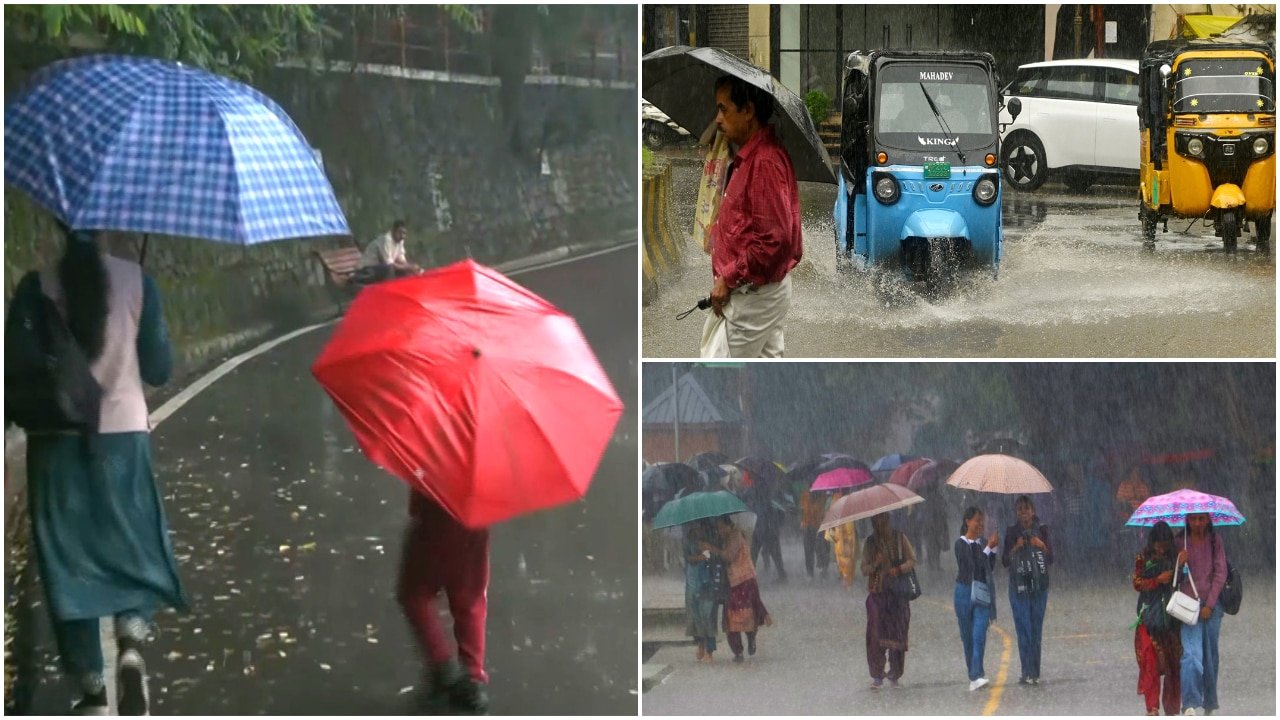
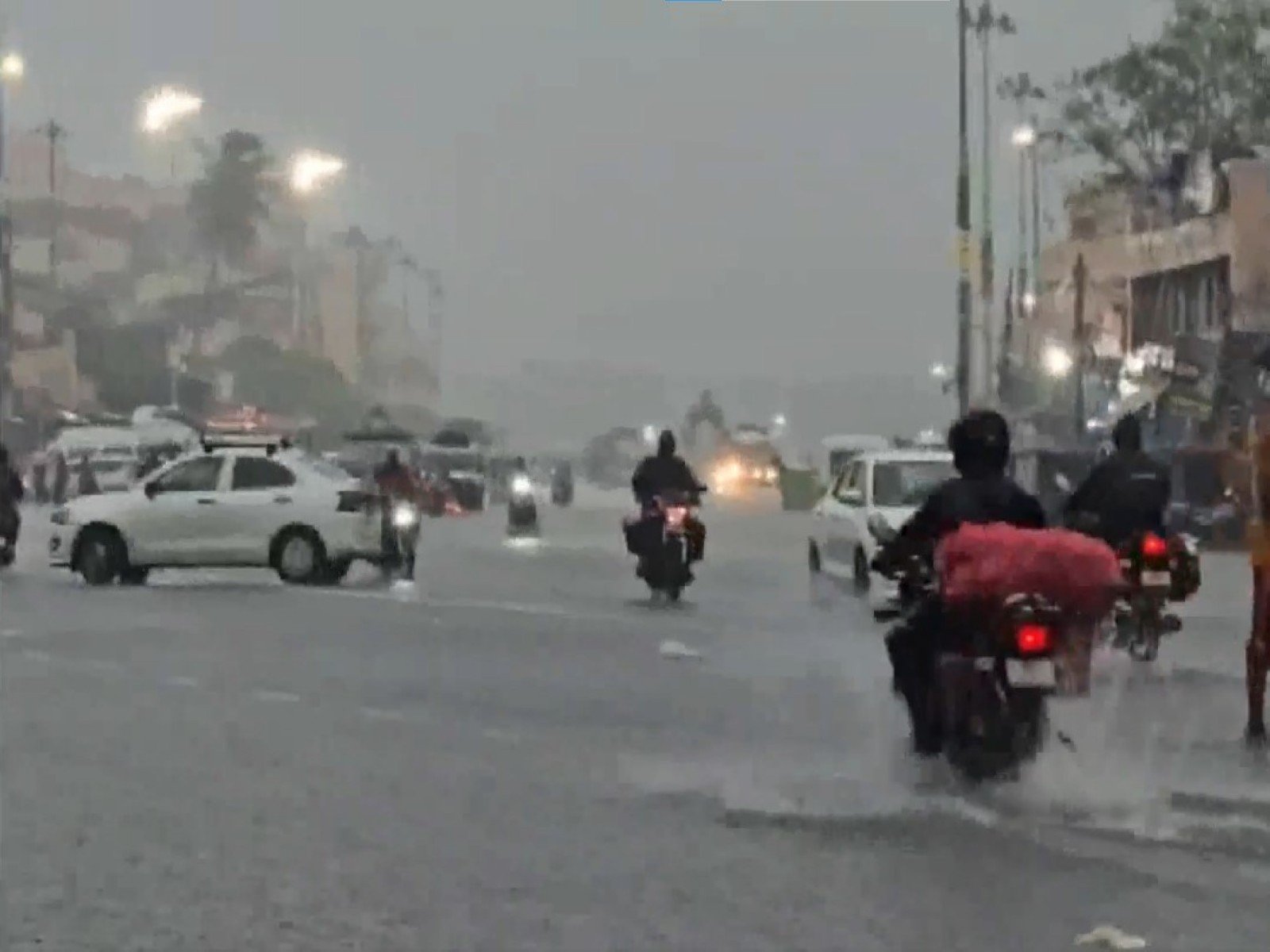
The India Meteorological Department (IMD) has issued an urgent weather advisory, warning of extremely heavy rainfall across Odisha and a significant escalation in monsoon activity affecting 22 states. Meteorologists have identified a developing low-pressure area as the primary driver for this surge, which is expected to trigger widespread precipitation over the next 60 hours. This weather event marks a critical juncture in the monsoon season, raising concerns regarding agricultural stability, soil moisture management, and potential infrastructure risks across a broad swathe of the country.
Atmospheric Dynamics and Regional Impact
The current meteorological outlook indicates that the low-pressure system is drawing moisture from the Bay of Bengal, directing a concentrated flow toward the eastern coast. Odisha is currently at the epicenter of this activity, with authorities expecting intense downpours that could lead to localized flooding and waterlogging in low-lying agricultural basins. Beyond the immediate impact on Odisha, the system is projected to traverse inland, influencing monsoon troughs that extend across central and northern India.
The 22 states under the IMD’s watch are bracing for a mix of moderate to heavy rainfall, which is expected to rejuvenate water reservoirs but also poses a threat to standing crops that are currently in sensitive growth stages. The IMD’s predictive models suggest that the combination of high humidity and shifting wind patterns will lead to sustained cloud cover, limiting solar radiation and potentially impacting crop photosynthesis rates in the immediate term.
Agronomic Challenges and Moisture Management
For the agricultural sector, the timing of this heavy rainfall is a double-edged sword. While replenished groundwater levels and increased moisture in rain-fed regions are generally welcomed, the intensity of the projected rainfall presents significant challenges. Excessive soil saturation often leads to nutrient leaching, particularly nitrogen, which is vital for vegetative growth during this period. Farmers in the affected regions must remain vigilant regarding the drainage capacity of their fields to prevent root rot and the proliferation of fungal pathogens, which thrive in high-humidity environments.
Furthermore, the high-velocity winds often accompanying such low-pressure systems threaten to cause lodging in cereal crops. As the monsoon activity expands, the risk of soil erosion in sloped or unmanaged farmland increases, necessitating proactive measures to stabilize topsoil. The agricultural community is advised to stay updated with district-level bulletins, as the spatial distribution of these rains can vary significantly based on localized topographical features and current wind shear.
What This Means for Farmers
The coming 60 hours are critical for farm operations. To mitigate potential losses, farmers are advised to prioritize the following actions:
- Enhance Field Drainage: Ensure that drainage channels are cleared of obstructions to allow for the rapid removal of excess surface water. Preventing stagnation is the most effective way to protect crop health during extreme rainfall events.
- Postpone Fertilizer Application: Hold off on applying top-dress fertilizers until the heavy rainfall subsides. Applying nutrients during intense precipitation leads to substantial runoff, resulting in both economic loss and diminished crop uptake.
- Monitor for Pest and Disease Pressure: Increased moisture creates an ideal breeding ground for various pests and fungal diseases. Farmers should perform routine scouting of their fields and be prepared to apply appropriate, government-approved fungicides or pesticides once the weather clears.
- Harvesting and Storage: For farmers in regions where crops are nearing maturity, evaluate the necessity of early harvesting if the crop is susceptible to water damage. Ensure that harvested produce is stored in elevated, moisture-proof facilities to prevent post-harvest spoilage.
- Livestock Safety: Ensure that livestock are sheltered in dry, well-ventilated areas. Extreme weather often brings a spike in waterborne diseases; prioritize the cleanliness of drinking water and feed to maintain animal health.
By remaining responsive to real-time updates from local agricultural extensions and meteorological offices, farmers can better navigate the risks posed by this heightened monsoon activity, transforming a potentially damaging weather event into a manageable component of the growing season.