IMD Issues High-Alert Status for Heavy Rainfall Across Multiple Regions
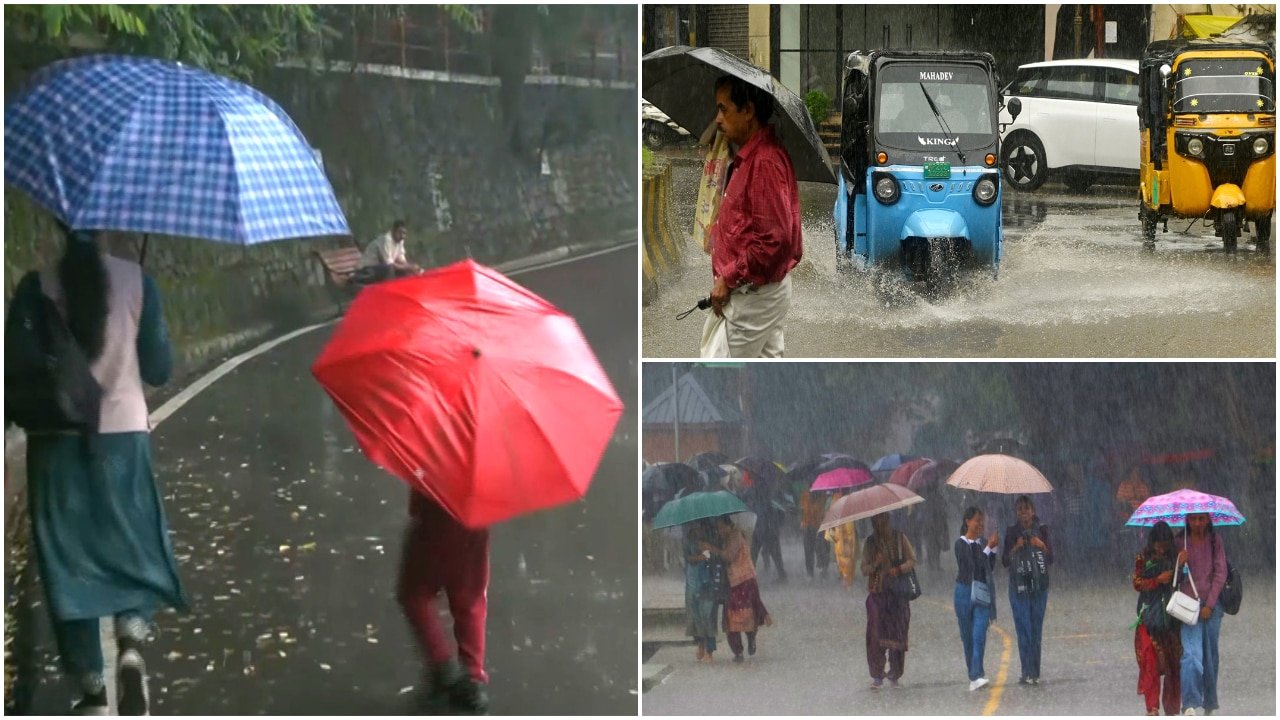
The India Meteorological Department (IMD) has issued a significant weather alert, warning of heavy to very heavy rainfall across several states in the coming days. The forecast, which points toward intensified monsoon activity, has prompted state disaster management authorities to heighten their readiness. For the agricultural sector, this meteorological shift brings a complex mix of potential benefits for soil moisture levels and the risk of immediate damage to standing crops that are currently in vulnerable growth stages.
Meteorological Drivers and Regional Outlook
The current weather disturbance is being driven by a combination of atmospheric pressure variations and shifting wind patterns that are funneling moisture-laden currents inland. According to the IMD’s latest bulletins, the expected precipitation is not merely localized but spans a broad geographical range, impacting both coastal belts and interior agricultural heartlands. These systems are characterized by high-intensity downpours, which the meteorological office defines as the threshold where rainfall volume poses a risk of localized flooding and waterlogging.
Meteorologists note that the duration of these weather events is critical. Sustained rainfall over a short timeframe can lead to rapid runoff, preventing effective groundwater recharge and instead causing soil erosion in fields with poor drainage infrastructure. The IMD continues to monitor the trajectory of these systems, advising regional authorities to maintain real-time updates as the atmospheric conditions evolve over the next 72 to 96 hours.
Agronomic Implications and Crop Management
For farmers, the transition from dry spells or moderate rain to heavy, sustained precipitation requires immediate tactical adjustments. The primary concern during such events is the saturation of the root zone. When soil becomes waterlogged, the lack of oxygen—a condition known as hypoxia—can lead to root rot, particularly in sensitive pulse and vegetable crops. Furthermore, heavy rainfall can cause physical damage to crops through lodging, where stalks are bent or broken by the force of wind and water, significantly complicating harvesting efforts and reducing overall yield quality.
Beyond the immediate physical impact, high humidity levels following heavy rain create a conducive environment for fungal pathogens and bacterial infections. Crops such as paddy, which are naturally more resilient to water, still face risks if the water stagnates for too long, as this can facilitate the spread of pests and diseases that thrive in warm, damp conditions. Agronomists suggest that farmers should prioritize clearing field drains to ensure that excess water can move away from the crop canopy as quickly as possible.
What This Means for Farmers
The IMD’s alert serves as a critical call to action for the farming community. To mitigate the economic impact of these weather events, producers should prioritize the following actions:
- Drainage Maintenance: Ensure that all irrigation channels and field drainage outlets are free of debris to facilitate rapid runoff and prevent stagnant water from damaging root systems.
- Harvesting Adjustments: If crops are currently at maturity, farmers should assess whether an early harvest is viable before the onset of the heaviest rains. If harvesting is not possible, avoid applying fertilizers or pesticides, as these will be washed away, leading to both economic loss and environmental runoff.
- Disease Surveillance: Following the rainfall, conduct thorough field inspections. Increased moisture often triggers outbreaks of fungal infections. Consult local agricultural extension officers regarding the timely application of fungicides or protective measures if symptoms of disease appear.
- Storage Protection: For farmers currently storing harvested produce, ensure that storage facilities are moisture-proof. High humidity levels can lead to rapid spoilage and the development of mycotoxins in stored grains.
- Economic Planning: Keep a close watch on regional market prices. Extreme weather events often lead to temporary supply chain disruptions, which can cause fluctuations in commodity pricing. Maintaining clear communication with local cooperatives and agricultural market committees is essential for navigating these short-term market shifts.
While the rainfall may provide much-needed moisture for future sowing cycles and reservoir levels, the immediate priority remains the protection of current assets. By taking proactive steps to manage water flow and monitoring for post-rain pests, farmers can significantly reduce the risk of crop loss during this period of intense weather activity.