Widespread Rainfall Alert: IMD Issues Warnings Across 15 States as Monsoon Intensifies
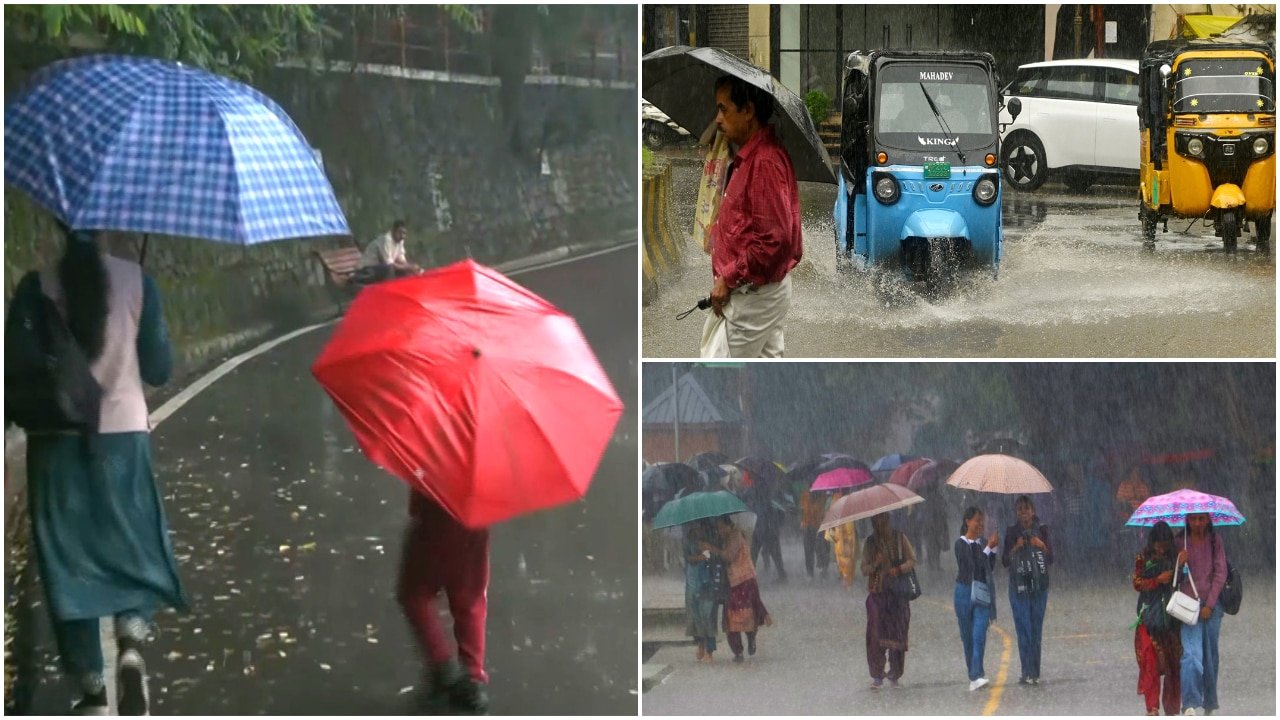
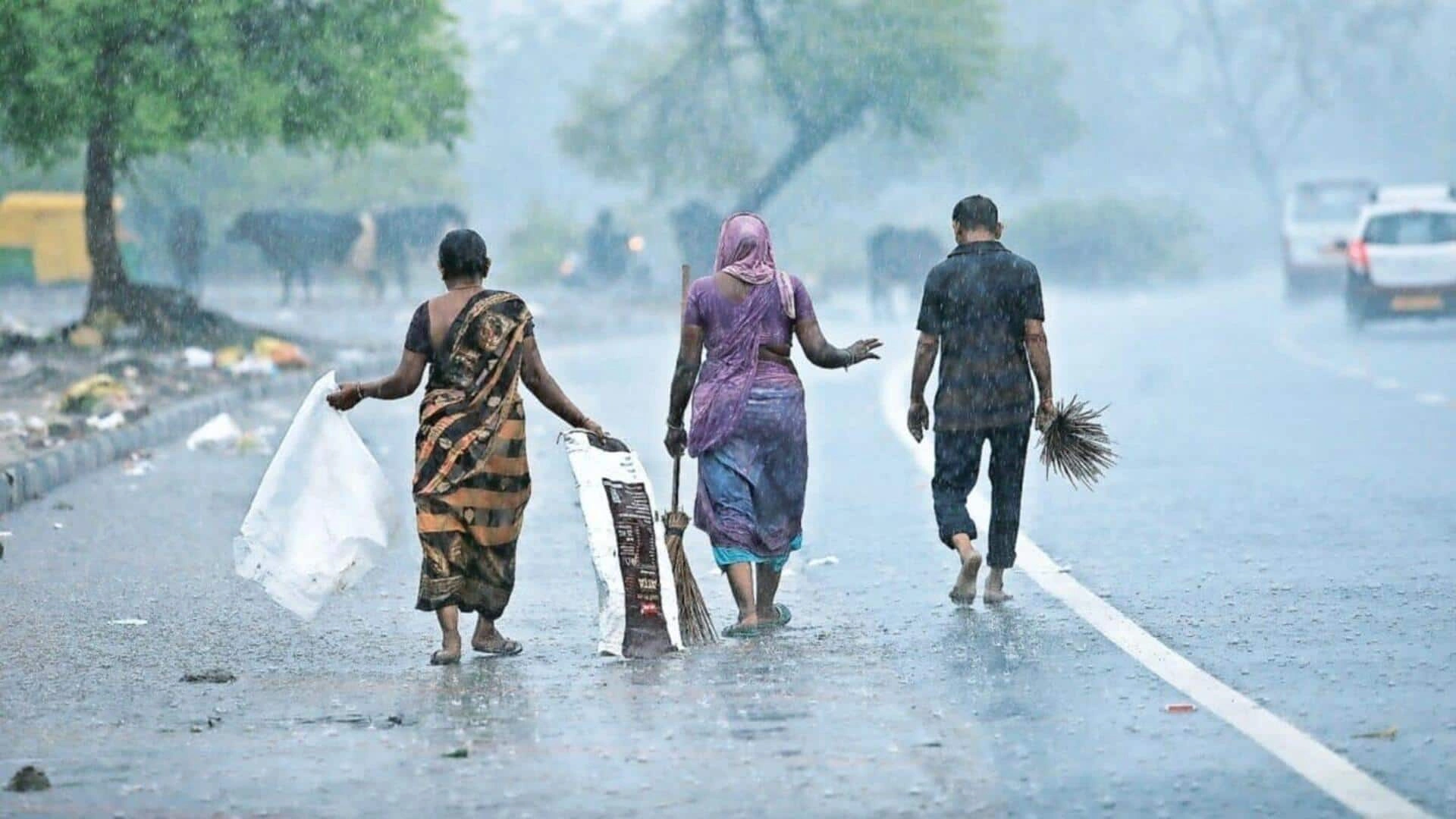
The India Meteorological Department (IMD) has issued a high-alert weather advisory as significant precipitation sweeps across a broad swathe of the country. Following an intense 24-hour cycle that saw record-breaking rainfall and gusty winds, meteorological officials are warning of continued instability. The current weather system, characterized by localized thunderstorms and heavy downpours, is expected to impact 15 states, raising concerns regarding agricultural operations, soil moisture management, and rural infrastructure.
The most severe activity has been concentrated in the northeastern and eastern corridors. Data from the last 24 hours confirms that Sub-Himalayan West Bengal and Sikkim bore the brunt of the weather system, recording extremely heavy rainfall. Simultaneously, regions including eastern Uttar Pradesh, Bihar, Assam, Meghalaya, and Tripura have reported very heavy rainfall, with precipitation levels ranging between 12 and 20 centimeters. These conditions are being driven by a combination of active monsoon currents and cyclonic circulations that are funneling moisture across the northern and eastern plains.
Regional Impact and Meteorological Dynamics
The intensity of the current weather pattern is attributed to the positioning of the monsoon trough, which has shifted to favor the northern and eastern belts. In regions like Bihar and eastern Uttar Pradesh, the sustained rainfall is particularly significant, as these areas are currently in critical stages of the kharif crop cycle. The IMD’s warning extends beyond mere precipitation; the forecast includes strong surface winds and potential thunderstorms, which can pose a risk of lodging in standing crops that have reached maturity or are in a delicate vegetative state.
In the northeastern states of Assam, Meghalaya, and Tripura, the heavy rainfall is contributing to rising water levels in local river systems. While this moisture is essential for the region's diverse agricultural output, the volume of rainfall recorded over the past day suggests a potential for waterlogging in low-lying fields. Meteorological experts advise that the moisture-laden winds originating from the Bay of Bengal will continue to sustain these conditions, potentially extending the period of heavy rain for the next several days.
Infrastructure and Soil Management Challenges
Beyond the immediate threat to crops, the persistent rainfall presents a logistical challenge for rural communities. Heavy downpours lead to the saturation of soil profiles, which can hinder the movement of farm machinery and disrupt the transport of harvested produce to local markets. In hilly terrains such as Sikkim, the combination of intense rainfall and topographical sensitivity increases the risk of soil erosion and runoff, which can strip away vital topsoil and nutrients from terraced farms.
For farmers in the affected regions, the immediate priority must be the maintenance of field drainage systems. When soil reaches its saturation point, the risk of root rot and fungal diseases increases exponentially. Ensuring that excess water is diverted away from field boundaries is a critical step in preserving the health of crops currently in the ground. Furthermore, the forecast of thunderstorms necessitates that farmers secure temporary structures, such as sheds or storage units, against high-velocity winds that often accompany these weather systems.
What This Means for Farmers
The current IMD alert serves as a vital signal for farmers to pivot their management strategies toward moisture control and risk mitigation. The economic consequences of unmanaged waterlogging can range from increased expenditure on fungicides to significant yield losses due to nutrient leaching.
Actionable Advice for Producers:
- Drainage Management: Clear all field channels and drainage ditches immediately to prevent standing water. In fields where crops are vulnerable, creating temporary furrows can assist in rapid water evacuation.
- Nutrient Application: Postpone the application of granular fertilizers or pesticides. Heavy rain will likely cause these inputs to wash off the field, leading to economic waste and environmental runoff. Wait for a clear window of at least 24 to 48 hours.
- Crop Protection: Monitor fields for early signs of fungal infection or moisture-related stress. If conditions permit, preventive foliar sprays may be necessary once the weather stabilizes to protect against secondary infections.
- Storage Security: Ensure that harvested crops currently in transit or temporary storage are covered with waterproof tarpaulins. High-moisture environments significantly increase the risk of aflatoxin development and grain spoilage.
- Safety First: During thunderstorms, avoid working in open fields or near metal structures. Farmers are encouraged to stay updated with local weather bulletins to anticipate the severity of wind gusts, which can cause physical damage to greenhouses and irrigation infrastructure.
By staying proactive and prioritizing drainage and crop health during this high-rainfall phase, farmers can significantly mitigate the adverse impacts of these extreme weather events, ensuring that the moisture provided by the monsoon acts as a benefit rather than a liability to the season’s harvest.