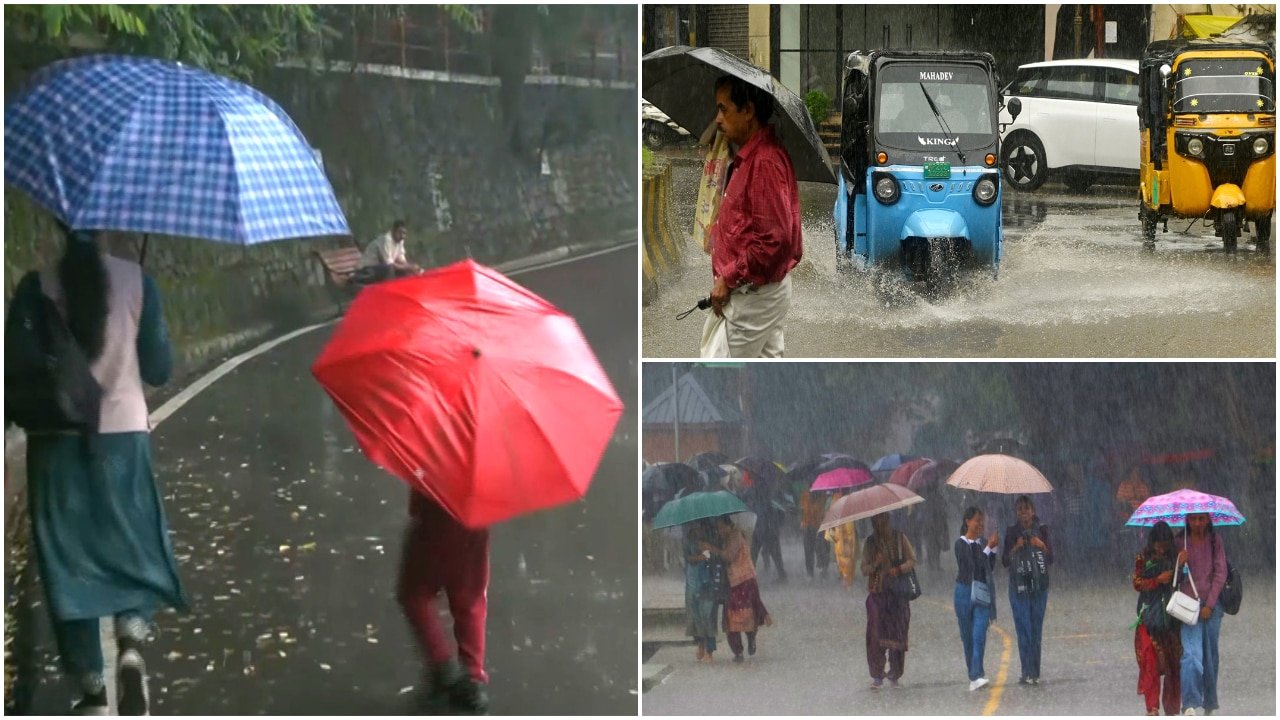
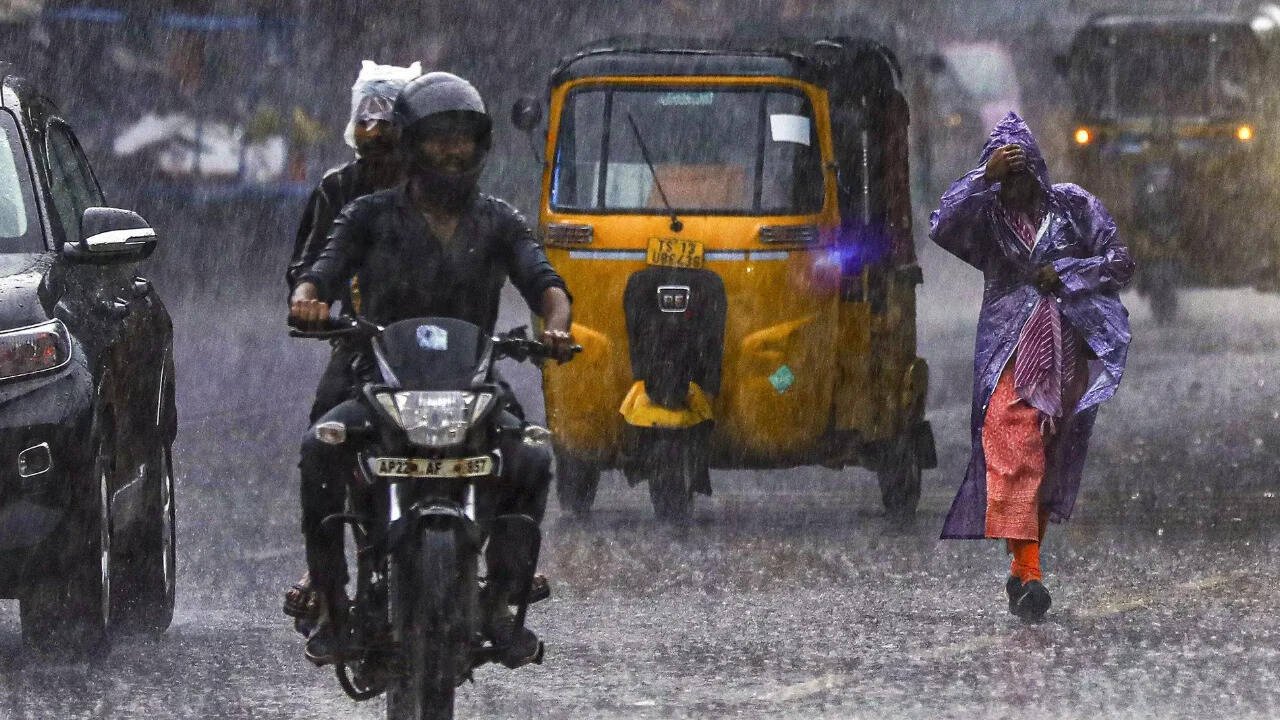
IMD Forecasts Rainfall Across India, Delhi-NCR Under Yellow Alert
The India Meteorological Department (IMD) has issued weather forecasts indicating widespread rainfall activity across various regions of India. According to information reported by the Business Standard, a low-pressure area currently situated over the northwest Bay of Bengal is identified as the primary driver behind this weather pattern.
Impact on Eastern and Central India
The meteorological system developing over the Bay of Bengal is expected to exert a significant influence on the weather conditions in eastern and central parts of the country. The IMD suggests that this low-pressure area will continue to dictate rainfall patterns in these regions in the coming period.
A low-pressure area is a meteorological term used to describe a region where the atmospheric pressure is lower than that of the surrounding locations. These systems are frequently associated with cloud formation, wind, and precipitation, as air flows into the center of the low-pressure zone, rises, and cools to form clouds and rain.
Delhi-NCR Under Weather Alert
In addition to the developments in eastern and central India, the Delhi-NCR region has been placed under a yellow alert. In the context of the IMD's warning system, a yellow alert serves as an advisory for residents to "be aware" of the evolving weather conditions. It acts as a precautionary signal, indicating that while the weather may be disruptive, it is not necessarily at the level of severe intensity required for higher-tier alerts.
Understanding the Current Weather Outlook
Based on the details provided by the Business Standard, the current weather situation is characterized by the following key factors:
- Primary Driver: A low-pressure area located over the northwest Bay of Bengal.
- Affected Regions: Eastern and central India are expected to experience sustained rainfall activity due to this system.
- Advisory Status: The Delhi-NCR region is currently under a yellow alert, signaling the need for public awareness regarding potential weather changes.
As the situation develops, the IMD continues to monitor the movement and intensity of the low-pressure system. Residents in the affected areas, particularly those in regions currently under weather alerts, are advised to stay updated with the latest bulletins issued by the meteorological authorities.