Monsoon Intensifies: IMD Issues Widespread Rainfall Forecast for North India
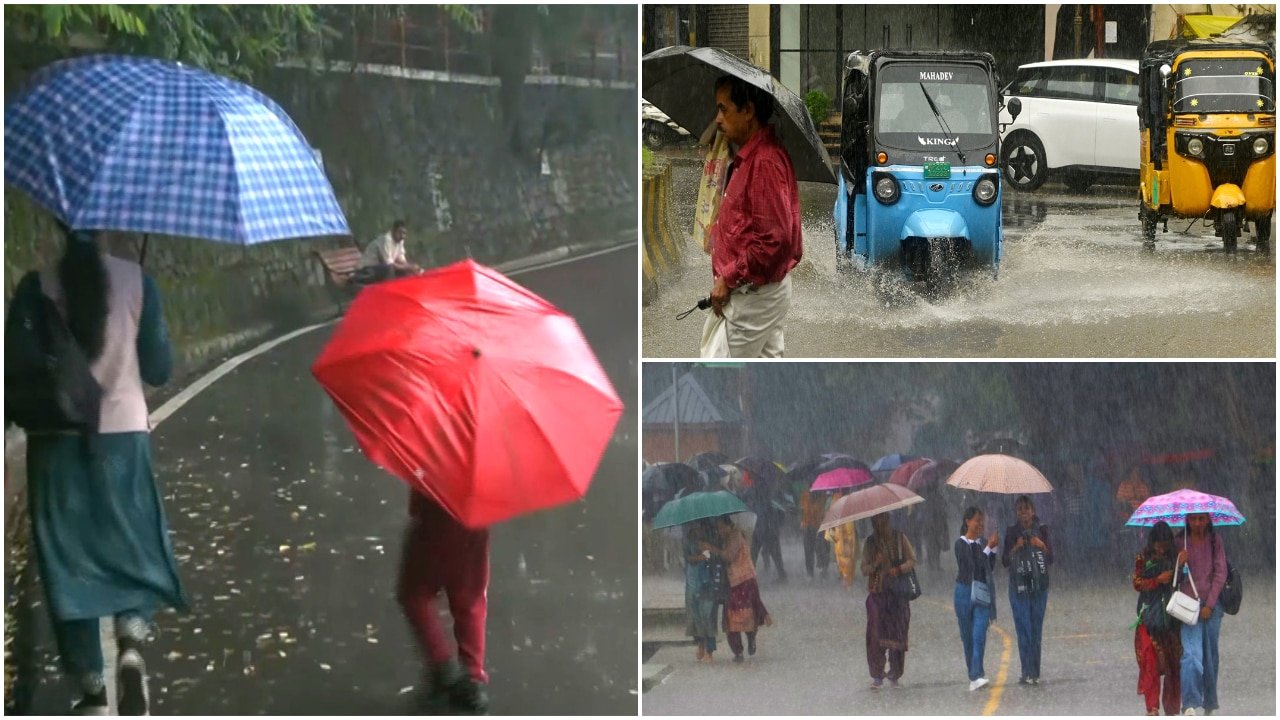
The India Meteorological Department (IMD) has released an updated weather forecast for August 10, signaling a significant intensification of monsoon activity across several states in Northern India. The latest meteorological data indicates that a combination of atmospheric troughs and moisture-laden winds from the Bay of Bengal is set to trigger widespread rainfall, bringing much-needed relief to regions experiencing dry spells, while simultaneously raising concerns over potential waterlogging and localized flooding in vulnerable areas.
The forecast highlights that the national capital, Delhi, and the expansive agricultural plains of Uttar Pradesh are expected to witness moderate to heavy showers over the coming 48 hours. Meanwhile, the mountainous state of Himachal Pradesh has been placed under an orange alert, as weather officials warn of high-intensity precipitation that could impact terrain stability and transport infrastructure. This shift in weather patterns is being closely monitored by both state disaster management authorities and agricultural stakeholders, as the monsoon enters a critical phase for the ongoing Kharif cropping season.
Regional Breakdown: From Plains to Highlands
In Uttar Pradesh, the anticipated rainfall is expected to be widespread, covering both the western and eastern corridors of the state. For the farming community, this precipitation is vital for the paddy crop, which is currently in a stage requiring consistent soil moisture. The IMD has indicated that scattered to fairly widespread light to moderate rainfall will likely persist, providing a necessary buffer against the heat stress that has affected certain pockets of the state over the past fortnight.
The situation in Delhi remains focused on the intensity and duration of the showers. While urban centers often grapple with drainage challenges during heavy downpours, the surrounding peri-urban agricultural belts are looking to these rains to replenish groundwater levels. The IMD’s predictive models suggest that the cloud cover will remain dense, keeping daytime temperatures within a comfortable range but maintaining high humidity levels throughout the region.
Himachal Pradesh, however, faces a more volatile scenario. The orange alert issued for the state underscores the risk of heavy to very heavy rainfall, which often leads to landslides and flash floods in the complex Himalayan topography. Authorities have advised residents and travelers to exercise extreme caution, as the combination of high-altitude rain and saturated soil significantly increases the likelihood of slope failures. The IMD continues to track the movement of these weather systems to provide real-time updates to district administrations.
Agricultural Dynamics and Monsoon Management
The current monsoon trajectory is a double-edged sword for the agricultural sector. While the rains are broadly beneficial for the standing Kharif crops, including pulses, oilseeds, and millets, the intensity of the downpours requires proactive field management. The IMD’s forecast serves as a critical tool for farmers to adjust their irrigation schedules and plan for necessary drainage interventions to prevent water stagnation, which can lead to root rot and nutrient leaching.
Agricultural meteorologists suggest that farmers should keep a close watch on local advisories regarding pest and disease outbreaks, which often spike during periods of high humidity and rainfall. The IMD’s focus on the northern states suggests that the seasonal rainfall distribution is normalizing, which is a positive sign for overall national food security projections if the moisture levels remain within the optimal range for the remainder of the month.
What This Means for Farmers
For farmers operating in the regions covered by the IMD forecast, the immediate priority is to manage soil moisture effectively. Actionable steps include:
- Ensure Field Drainage: With heavy rainfall predicted, farmers must ensure that drainage channels in their fields are clear to prevent waterlogging, particularly in low-lying areas where paddy and vegetable crops are susceptible to damage.
- Postpone Fertilizer Application: It is advisable to delay the application of top-dressing fertilizers, such as urea, during periods of heavy rainfall. Excessive water can wash away nutrients before they are absorbed by the plants, leading to both economic loss and reduced crop efficiency.
- Monitor for Pests and Fungal Infections: High humidity and rainfall create ideal conditions for fungal diseases and pest proliferation. Farmers should conduct regular scouting of their fields and be prepared to apply recommended fungicides or organic pest control measures as soon as the weather permits.
- Livestock Safety: Ensure that livestock shelters are reinforced and well-drained. High rainfall events often lead to increased instances of foot-rot and other moisture-related health issues in cattle and small ruminants.
- Stay Informed: Farmers are urged to monitor local district-level weather alerts through state agricultural portals. These platforms provide localized data that is more precise than regional forecasts, allowing for better-informed decisions regarding harvesting or protective measures.
By staying vigilant and adhering to these agronomic best practices, the agricultural community can mitigate the risks associated with volatile monsoon patterns and capitalize on the essential moisture provided by these seasonal rains.