IMD Forecasts Subdued Rainfall for Remainder of Monsoon Season
The India Meteorological Department (IMD) has released its updated monsoon outlook for the second half of the season, projecting below-normal rainfall across the country for the months of August and September. According to the national weather agency, precipitation levels are expected to remain below 94 percent of the Long Period Average (LPA), signaling a potential shift in agricultural conditions as the kharif cropping cycle enters its critical growth phase.
This revised outlook follows a July period that saw a notable recovery in cumulative rainfall, which helped bridge the significant deficits observed during the early weeks of the monsoon. While the July performance provided a much-needed respite for moisture-stressed regions, the IMD’s latest assessment indicates that the momentum is unlikely to be sustained through the end of September. Meteorologists attribute this anticipated slowdown to evolving atmospheric patterns and shifting oceanic temperatures, which are expected to create a less conducive environment for widespread, consistent rainfall across the Indian subcontinent.
The Complexity of Regional Variability and Extreme Weather
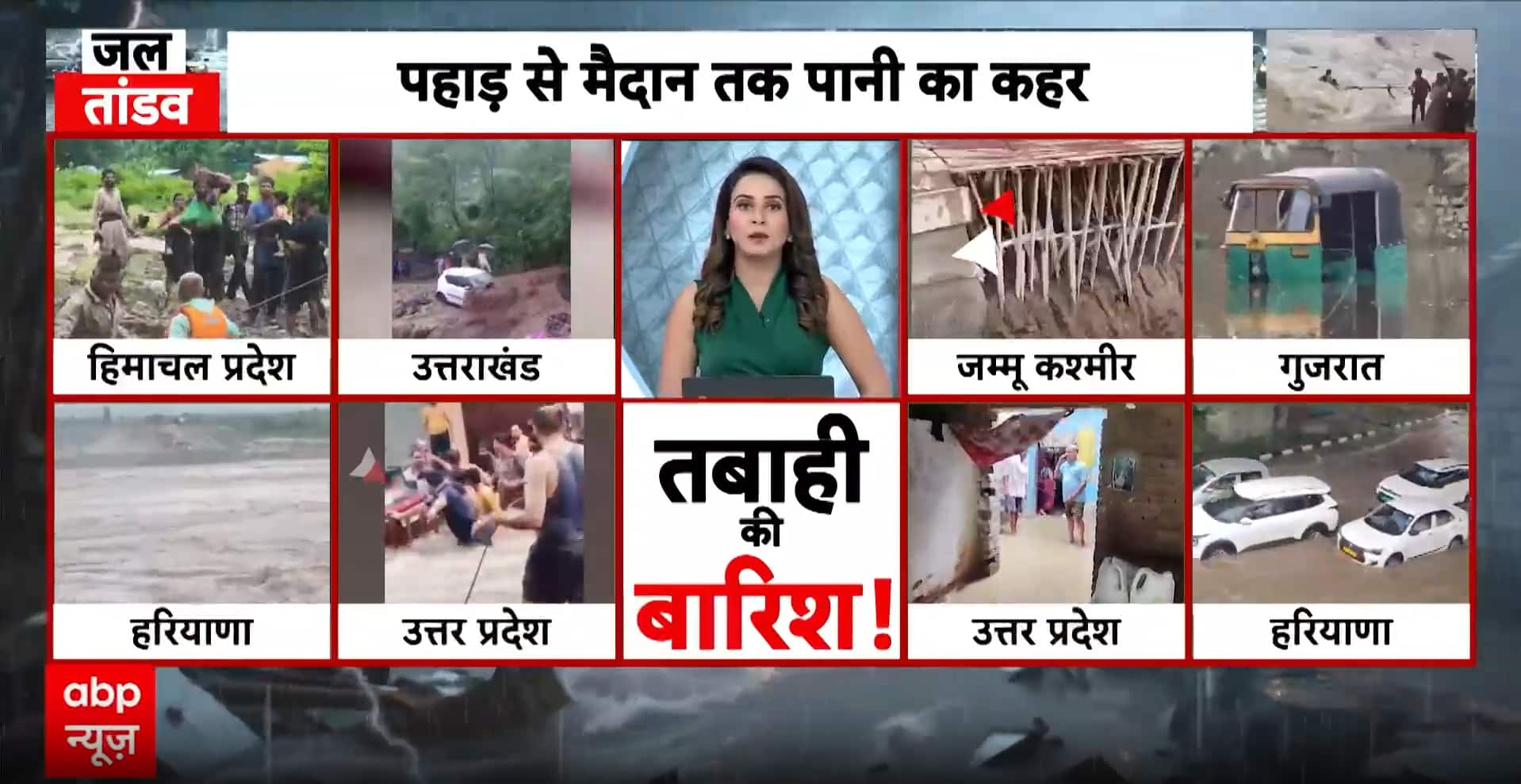
Despite the overall forecast for below-normal rainfall, the IMD emphasizes that the monsoon’s character remains highly localized and unpredictable. The season has been defined by extreme spatial variability, where some districts have faced prolonged dry spells while others have grappled with catastrophic flash flooding. This "hit-or-miss" distribution of rainfall poses significant challenges for water resource management and field-level agronomy.
The persistence of extreme rainfall events—even within a broader context of below-normal seasonal totals—remains a primary concern for the agricultural sector. Short, high-intensity bursts of rain often result in rapid runoff rather than the deep-soil moisture recharge necessary for sustaining crops through the flowering and grain-filling stages. Furthermore, these erratic events can lead to soil erosion and nutrient leaching, complicating the efforts of farmers who are already navigating the uncertainties of a fragmented monsoon.
Managing Soil Moisture and Crop Health
As the monsoon enters its final leg, the agricultural community must prepare for a period of moisture limitation. The IMD’s forecast suggests that the replenishment of major reservoirs and groundwater tables may not reach the levels initially hoped for at the start of the season. Consequently, the focus must shift from broad-scale planting strategies to intensive water-use efficiency and localized irrigation management.
The regional variations highlighted by the IMD mean that farmers in rain-fed areas must be particularly vigilant. In regions where rainfall has been consistently deficient, the risk of moisture stress during the sensitive reproductive phases of crops—such as paddy, pulses, and oilseeds—is heightened. Agricultural extension services are expected to play a vital role in disseminating real-time advice to help producers mitigate the risks associated with the projected dry spell.
What This Means for Farmers
The IMD’s forecast of below-normal rainfall for the remainder of the season carries significant economic and operational implications for the farming community. To navigate the potential challenges ahead, farmers and stakeholders should consider the following practical measures:
- Prioritize Water Conservation: In anticipation of reduced rainfall, farmers should focus on moisture retention techniques. Mulching, the use of organic matter to improve soil structure, and the maintenance of farm ponds are essential to maximize the utility of existing soil moisture.
- Optimized Irrigation Scheduling: Where irrigation infrastructure exists, it is critical to prioritize water application during the most moisture-sensitive growth stages of crops. Avoiding indiscriminate watering and opting for drip or sprinkler systems can extend the availability of water reserves.
- Monitor Crop Health Closely: Dry spells often increase the susceptibility of crops to specific pests and pathogens. Regular scouting for signs of stress or pest outbreaks is necessary to implement timely, targeted interventions rather than blanket chemical applications.
- Financial and Market Planning: The prospect of below-normal rainfall may influence yield expectations and, consequently, local market prices. Farmers should stay informed about regional crop conditions and avoid panic-selling, while also maintaining a buffer for potential yield fluctuations.
- Engagement with Extension Services: Keeping in close contact with local Krishi Vigyan Kendras (KVKs) or state agricultural departments is vital. These agencies can provide localized advice based on the specific micro-climates of each district, helping farmers make informed decisions about fertilizer application and harvest timing.
While the monsoon’s second half appears challenging, proactive management and careful monitoring can help mitigate the impact on overall agricultural productivity. The ability to adapt to these shifting climatic patterns remains a cornerstone of resilience in modern Indian agriculture.