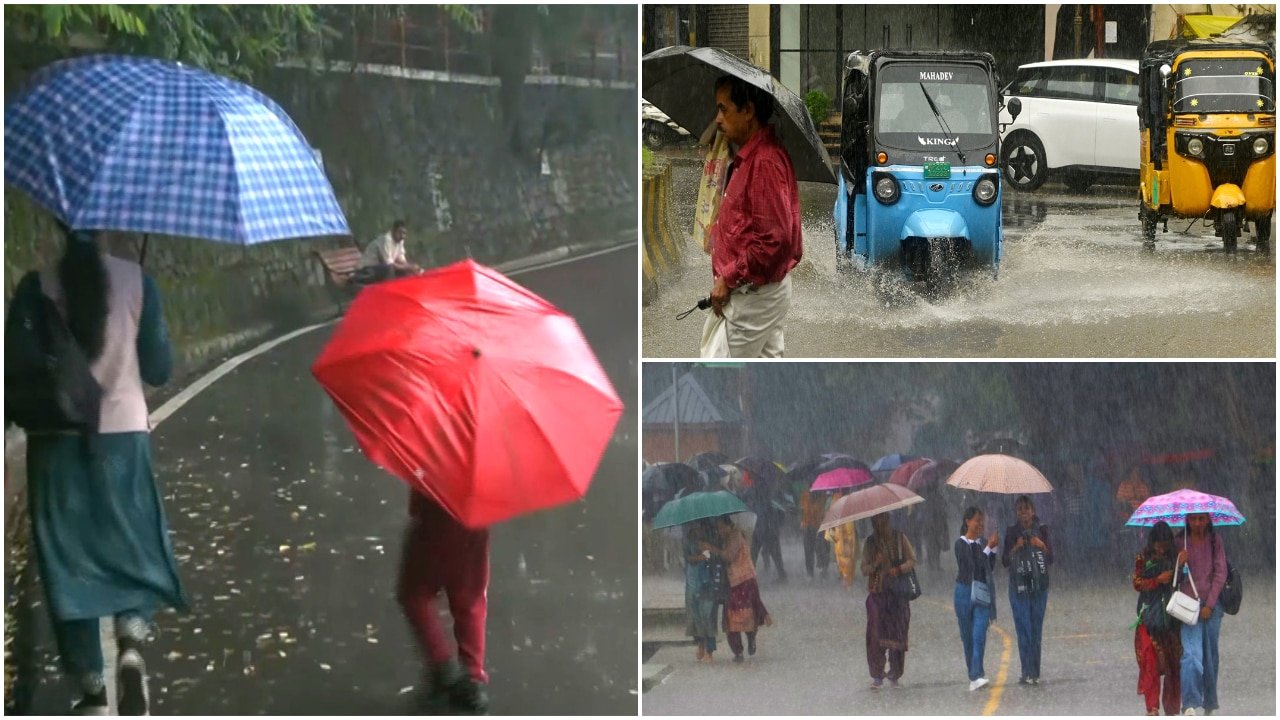
Regional Weather Divergence: Heavy Monsoon Activity Predicted for Northeast and Eastern India
The India Meteorological Department (IMD) has released its weather outlook for the week of July 13–19, signaling a period of significant meteorological divergence across the country. While large swathes of the Indian subcontinent will experience a relative lull in monsoon activity, the northeastern and eastern regions are bracing for intense weather systems. According to the latest forecast, a convergence of moisture-laden winds is expected to trigger extremely heavy rainfall, raising concerns about localized flooding and agricultural disruptions in these vulnerable zones.
Heavy Precipitation Expected in the Northeast and Eastern Corridor
The meteorological forecast highlights a high-alert situation for Meghalaya, Sub-Himalayan West Bengal, and Sikkim, particularly concentrated around July 13. The IMD’s models indicate that these regions will be the primary recipients of heavy to extremely heavy rainfall due to the active positioning of the monsoon trough. This weather pattern is anticipated to bring a substantial volume of water within a short window, which poses a significant risk to low-lying areas and hilly terrains prone to landslides and soil erosion.
For agricultural communities in these states, the timing of this heavy precipitation is critical. While monsoon rains are essential for the cultivation of paddy and other kharif crops, excessive rainfall can lead to waterlogging, nutrient leaching, and the potential damage of standing crops. Farmers in these regions are advised to monitor local weather bulletins closely, as the intensity of the downpours may necessitate emergency drainage measures to protect fields from saturation.
Contrasting Conditions in Northwest and Peninsular India
In a sharp contrast to the torrential conditions predicted for the northeast, the IMD has signaled a period of below-normal rainfall for several other key agricultural hubs. Significant portions of Maharashtra, Gujarat, Karnataka, and the broader northwest region of India are expected to experience a drier spell during this week. This reduction in monsoon intensity is often attributed to the shifting of the monsoon trough toward the foothills of the Himalayas, a phenomenon commonly referred to as a "break-monsoon" condition.
For farmers in these western and peninsular states, this forecasted dry spell presents a different set of challenges. Crops that are currently in the vegetative growth phase may require supplemental irrigation if the soil moisture levels begin to deplete rapidly under high temperatures. While a brief respite from constant rain can be beneficial for weeding and the application of fertilizers, prolonged dry conditions during the peak monsoon season can lead to moisture stress, potentially impacting the overall yield potential of rain-fed crops.
What This Means for Farmers
The stark regional disparity in this week’s weather forecast requires a tailored approach to farm management across different zones. The practical implications are as follows:
- For Northeast and Eastern India: Proactive water management is the priority. Farmers should ensure that drainage channels in fields are clear to prevent waterlogging. In hilly areas, vigilance against slope instability is essential. Post-harvest storage facilities should be inspected to ensure they are moisture-proof to prevent spoilage of any harvested produce.
- For Western and Peninsular India: The expected below-normal rainfall provides a window for field operations that were previously hindered by excessive moisture, such as the application of top-dress fertilizers or pest control measures. However, farmers should not become complacent. It is advisable to monitor soil moisture levels closely and utilize farm ponds or groundwater reserves for irrigation if the dry spell extends beyond the forecast period.
- Economic Perspective: The divergence in weather patterns may influence local market dynamics. Regional supply chains could be impacted by heavy rain in the east, potentially leading to short-term logistical delays in transporting perishable goods. Conversely, the dry spell in the west may provide a brief stabilization period for harvesting or field maintenance, but farmers should remain cautious of long-term moisture deficits that could affect market-ready volumes later in the season.
- Actionable Advice: Regardless of the region, staying updated with block-level weather alerts is crucial. Farmers are encouraged to use government-provided mobile applications and local agricultural extension services to receive real-time updates, as localized weather shifts can occur rapidly during the monsoon season.