Monsoon Intensity Intensifies: IMD Issues Flood Alerts Across Central and Eastern India
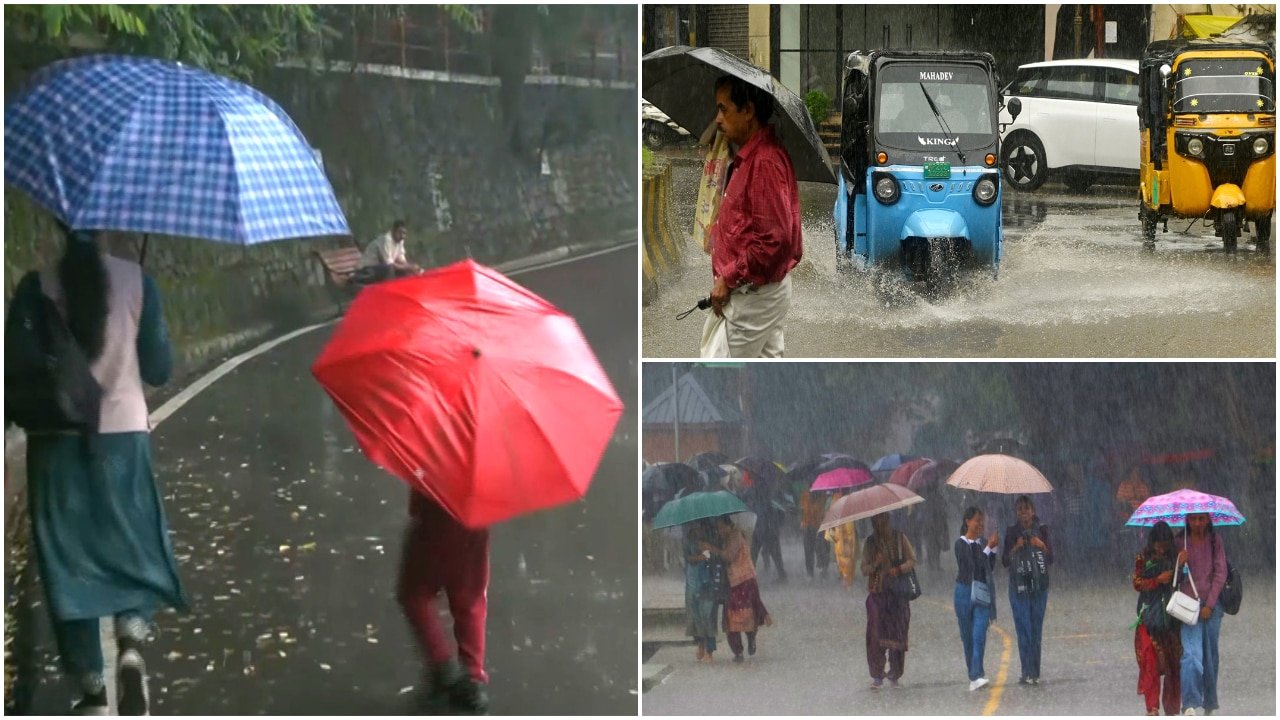
The India Meteorological Department (IMD) has issued a heightened alert as an active monsoon surge continues to bring widespread, heavy rainfall across large swathes of the country. According to the latest meteorological forecasts, the current weather pattern is expected to persist through at least August 17, placing several states on high alert for localized flooding, waterlogging, and potential agricultural disruption. The convergence of moisture-laden winds from both the Bay of Bengal and the Arabian Sea is fueling these intense systems, creating a significant challenge for disaster management authorities and the agricultural sector alike.
The most critical zones identified by the weather bureau include the vast interior regions of central India, the eastern coastal belt, and the vulnerable terrain of the Western Himalayas. While the monsoon is essential for the nation's kharif crop production, the current intensity threatens to tip the balance from beneficial hydration to destructive saturation. Meteorologists note that the persistence of these rain bands is driven by the positioning of the monsoon trough, which remains south of its normal location, funneling heavy precipitation directly into the heart of the country.
Regional Vulnerabilities: From Desert Landscapes to Mountain Slopes
The geographic spread of the forecast is notably diverse, highlighting the erratic nature of this season’s monsoon. In Rajasthan, a state typically characterized by arid or semi-arid conditions, the forecast for very heavy rainfall presents a paradoxical challenge. While the moisture is welcomed for recharging groundwater and supporting rain-fed crops, the sudden volume of water risks flash flooding in areas where the soil may not have the drainage capacity to handle such rapid saturation. Local administrations in the region have been advised to monitor low-lying areas and ensure that drainage infrastructure is functioning at peak capacity.
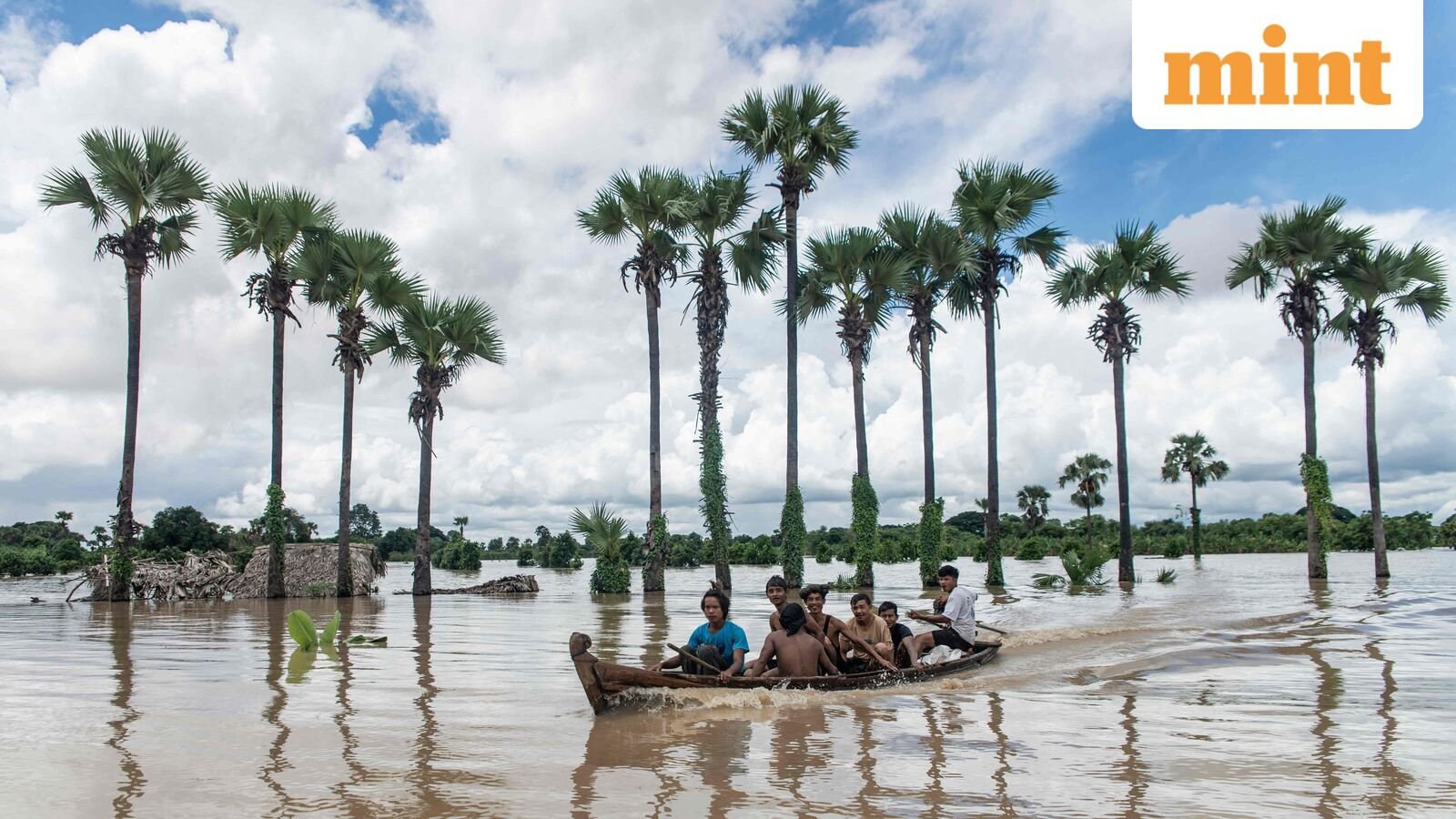
Simultaneously, the eastern state of Odisha is bracing for sustained heavy downpours. Given the state’s intricate network of river systems and its history of monsoon-related flooding, the IMD’s warning serves as a critical prompt for the preemptive evacuation of low-lying settlements and the monitoring of dam water levels. Further north, the Western Himalayas are under scrutiny for potential landslides and mudslides. The combination of steep, fragile topography and relentless rain poses a significant risk to transport infrastructure, which could, in turn, disrupt the supply chains necessary for moving agricultural produce out of mountain valleys.
Agronomic and Economic Implications of Prolonged Saturation
The agricultural sector finds itself at a pivotal juncture. For many farmers, the recent rainfall has been instrumental in ensuring adequate soil moisture for the ongoing kharif cultivation. However, the IMD’s forecast suggests that the duration of this weather event could move beyond the threshold of benefit. Prolonged waterlogging in fields can lead to root rot, nutrient leaching, and the susceptibility of crops to fungal infections. For farmers cultivating sensitive crops, the immediate focus must shift toward field management and water evacuation where possible.
From a market perspective, sustained heavy rain can disrupt the logistics of agricultural trade. When roads are compromised or fields become inaccessible, the flow of goods from farm-gate to local mandis (markets) slows significantly. This can lead to temporary volatility in local commodity prices and potentially impact the quality of harvested produce if storage facilities are not adequately weatherproofed. As the monsoon remains active through the middle of August, the cumulative impact on total production figures will depend heavily on the resilience of the crops and the efficacy of drainage interventions implemented at the farm level.
What This Means for Farmers
The current weather outlook requires immediate and proactive measures to protect both standing crops and long-term farm viability. Farmers are advised to take the following actions:
- Prioritize Field Drainage: Ensure that drainage channels around fields are clear of debris. If water begins to pool, creating temporary trenches to guide excess water away from the root zone can prevent waterlogging damage.
- Monitor for Pathogens: High humidity and persistent rain create the ideal environment for fungal and bacterial diseases. Scouting for signs of discoloration or wilting is essential, and farmers should be prepared to apply appropriate treatments once the weather permits a break in the rain.
- Secure Harvested Produce: For those who have already initiated harvesting, ensure that all produce is stored in elevated, dry, and well-ventilated structures. Avoid storing grains directly on the ground, as rising damp can lead to rapid spoilage and mold growth.
- Stay Informed: Weather patterns during the monsoon can shift rapidly. Farmers should rely on district-level IMD updates and state agricultural extension services for real-time guidance specific to their micro-climate.
- Safety First: Given the risk of flash floods and landslides, prioritize the safety of livestock and personnel. Move animals to higher, sheltered ground well in advance of expected heavy rainfall events.