Monsoon Surge: IMD Forecasts Widespread Heavy Rainfall Across Northern and Northeastern Regions
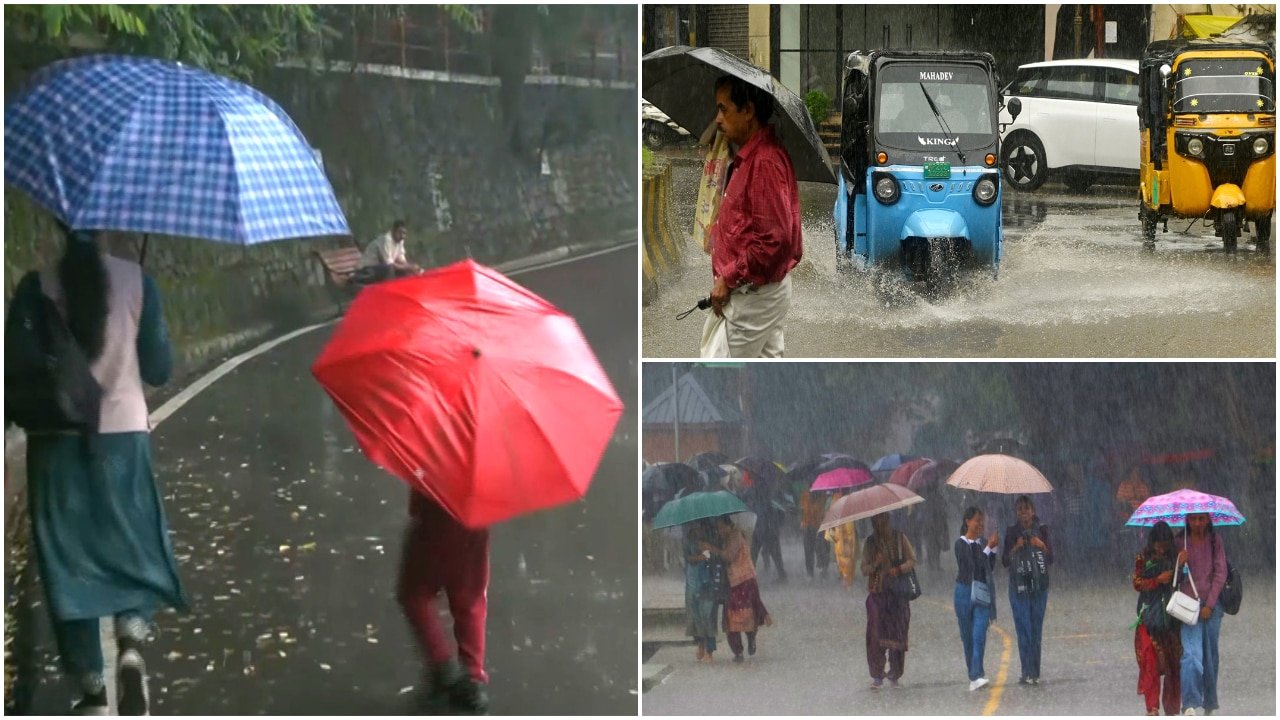
The India Meteorological Department (IMD) has issued a high-priority alert as the monsoon trough shifts, signaling a significant intensification of rainfall across large swaths of North and Northeast India. After a period of relative stabilization, atmospheric conditions are aligning to bring renewed vigor to the seasonal downpours, posing both a relief for moisture-stressed soil and a substantial challenge for regional infrastructure and agricultural operations.
Meteorologists indicate that the convergence of moisture-laden winds from the Arabian Sea and the Bay of Bengal, coupled with a cyclonic circulation pattern over the Himalayan foothills, is driving this uptick in precipitation. The forecast warns of heavy to extremely heavy rainfall, with the most significant impacts expected in the mountainous states of Himachal Pradesh, Jammu and Kashmir, and Uttarakhand, alongside several states in the Northeast region that are already navigating a delicate hydrological balance.
High-Altitude Vulnerability and Regional Impacts
The mountainous terrain of North India faces the most immediate threat from the projected weather systems. In Himachal Pradesh and Uttarakhand, the IMD has flagged the potential for flash floods, landslides, and significant soil erosion. For the agricultural sector, this intensity of rainfall in a short window of time presents a dual-edged sword. While it serves to replenish vital water reservoirs and irrigation sources, the volume of water is expected to overwhelm existing drainage systems in terraced farming plots.
In the northeastern states, the situation remains equally critical. The region, which is historically accustomed to high rainfall, is currently dealing with saturated ground levels. Continued heavy precipitation threatens to exacerbate river swelling, which can lead to the inundation of low-lying agricultural fields. Agronomists are monitoring the situation closely, particularly regarding the impact on standing kharif crops, where excessive waterlogging could lead to root rot and nutrient leaching, ultimately threatening yield potential if the drainage is not managed with urgency.
Urban and Infrastructure Considerations in the Capital
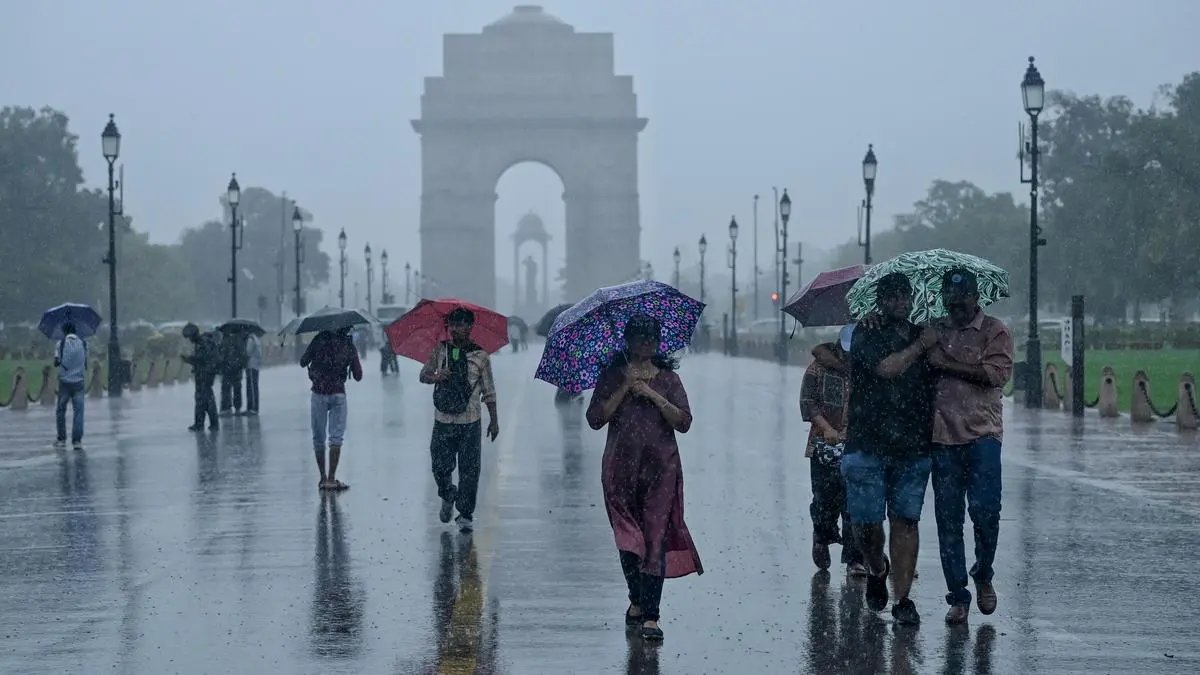
While the focus remains on the mountainous regions, the National Capital, Delhi, is also under a heightened alert. The IMD has forecast heavy rainfall for the city, which typically struggles with urban drainage management during extreme weather events. For the surrounding peri-urban agricultural belts, the primary concern is the potential for sudden waterlogging in vegetable and horticultural crops, which are particularly susceptible to damage from prolonged exposure to standing water.
Meteorological experts suggest that the intensity of these spells is reflective of shifting monsoon patterns, where shorter, more violent bursts of rain are becoming increasingly common. This trend necessitates a shift in how urban and rural planners approach water management, moving toward more resilient infrastructure that can handle peak load flows without compromising the surrounding ecosystem.
What This Means for Farmers
The current weather alert requires immediate, proactive measures from the farming community to mitigate potential losses. Farmers in the affected zones are advised to prioritize the following actions:
- Drainage Maintenance: Ensure that all field drains, canals, and water channels are cleared of debris. Proper water diversion is the single most effective way to prevent crop damage during extreme rainfall events.
- Soil and Nutrient Management: Heavy rain often leaches nitrogen and other essential nutrients from the soil. Once the rainfall subsides, farmers should assess soil health and consider split applications of fertilizers rather than large, single-dose applications to minimize waste and environmental runoff.
- Livestock Protection: Move livestock to higher, sheltered ground. Ensure that fodder stores are protected from moisture to prevent mold and mycotoxin contamination, which can have long-term health consequences for herds.
- Disease Monitoring: Increased humidity and standing water are primary drivers for fungal diseases and pest outbreaks. Farmers should be vigilant for signs of blight, rust, or bacterial wilt, and be prepared to consult with local agricultural extensions regarding safe and timely prophylactic treatments.
- Stay Informed: Continue to monitor daily district-level weather updates provided by the IMD or local Krishi Vigyan Kendras (KVKs). Regional forecasts can change rapidly, and timely information remains the best tool for protecting both capital and harvest.
Ultimately, while the monsoon is essential for the nation's food security, the forecasted intensification requires a heightened state of readiness. By focusing on field drainage and early detection of weather-related stresses, producers can better navigate the upcoming period of atmospheric instability.