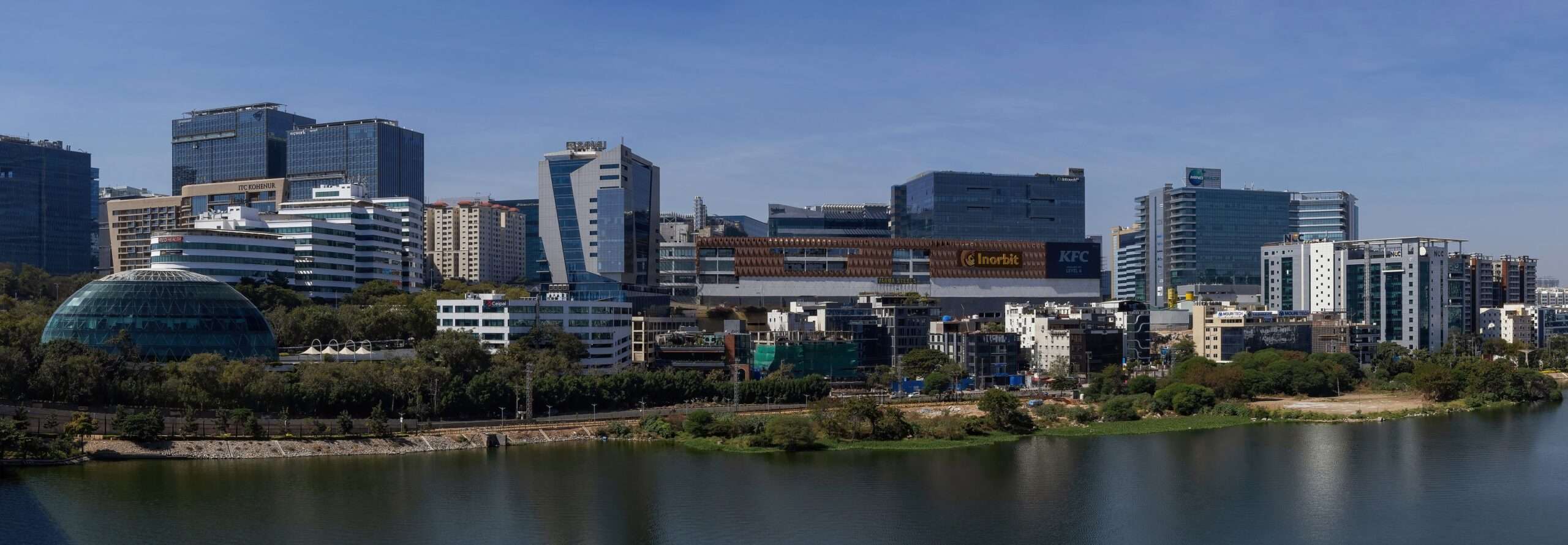
The Evolution of India’s Industrial Landscape: Beyond the Hyderabad Model
For decades, the narrative of India’s infrastructure and industrial development was inextricably linked to the rapid expansion of Hyderabad. To understand the nation's progress, one simply had to observe the trajectory of this city, which served as the epicenter for large-scale construction, engineering prowess, and corporate growth. From the bustling corridors of Begumpet to the expansive development zones of Banjara Hills, Hyderabad acted as the barometer for India’s economic ambition. However, recent shifts in the national industrial framework suggest that the city has not declined; rather, the definition of what constitutes an industrial "hub" has undergone a profound transformation.
The sentiment that "Hyderabad didn’t lose, India changed" reflects a broader transition from centralized growth to a more distributed, technology-integrated economic model. As India moves toward a more diverse industrial landscape, the lessons learned from Hyderabad’s rapid urbanization are being applied across the country, fundamentally altering how infrastructure projects are conceptualized, financed, and executed on a national scale.
From Regional Powerhouse to National Blueprint
Historically, Hyderabad was the primary destination for stakeholders looking to tap into India’s infrastructure boom. The city’s ability to integrate commercial real estate, heavy engineering, and a growing service sector created a blueprint that was emulated in tier-two and tier-three cities across the subcontinent. The "Hyderabad model"—characterized by aggressive land development and the consolidation of engineering firms—was once the only way to scale industrial operations.
Today, the landscape is significantly more fragmented and specialized. Modern industrial success is no longer tied to the density of a single metropolitan area but to the efficiency of supply chains and the integration of digital infrastructure. While Hyderabad remains a critical node, it is now part of a much larger, interconnected network. The focus has shifted from mere physical construction to the creation of smart logistics, sustainable manufacturing, and the integration of renewable energy grids that span multiple states. This decentralization has allowed India to build more resilient infrastructure that is less susceptible to regional market fluctuations.
The Shift Toward Specialized Industrial Ecosystems
The contemporary industrial story is defined by specialization. While early growth was driven by general infrastructure—roads, bridges, and commercial complexes—the current era is defined by sector-specific ecosystems. We are seeing the rise of specialized manufacturing corridors that leverage local resources, regional expertise, and targeted government incentives. This transition has naturally redistributed the spotlight away from the singular dominance of traditional hubs.
This evolution is not a symptom of stagnation for established centers like Hyderabad, but rather a maturation of the Indian market. By diversifying its industrial base, India has successfully lowered its risk profile, attracting more varied investment portfolios. The capital that once flooded into single-city infrastructure projects is now being channeled into a wider array of ventures, including agri-tech infrastructure, green energy hubs, and decentralized manufacturing units that bring industrial capacity closer to raw material sources.
What This Means for Farmers
For the agricultural sector, this shift in the industrial landscape represents both a challenge and a significant opportunity. As industrial development spreads to non-metropolitan areas, the pressure on land use increases, requiring farmers to be more strategic about their operations and long-term land management.
1. Improved Infrastructure Connectivity: The decentralization of industrial growth means that rural areas are increasingly being integrated into main logistics corridors. For farmers, this translates to better road and cold-storage infrastructure, which reduces post-harvest losses and provides faster, more reliable access to national and international markets.
2. Diversification of Income: As industrial ecosystems move closer to rural hinterlands, new opportunities for secondary income emerge. The proximity to industrial hubs often leads to increased demand for high-value crops, organic produce, and raw materials for the processing industry. Farmers who align their production with the needs of these new regional industrial centers can secure more stable, long-term contracts.
3. Technological Integration: The broader industrial change is bringing digital connectivity and advanced machinery to previously underserved regions. Agriculture is increasingly benefiting from this infrastructure, as improved internet access and power stability allow for the adoption of precision farming techniques and real-time market monitoring.
4. Strategic Land Management: With industrial development becoming more dispersed, land values in peripheral areas are fluctuating. Farmers are encouraged to engage with local developmental authorities and seek professional guidance regarding land utilization. Understanding the long-term industrial master plans of their specific regions can help farmers make informed decisions about whether to expand agricultural operations or pivot toward participating in the new service-oriented agricultural supply chain.