Infrastructure and Urban Planning Under Scrutiny Following Ahmedabad Deluge
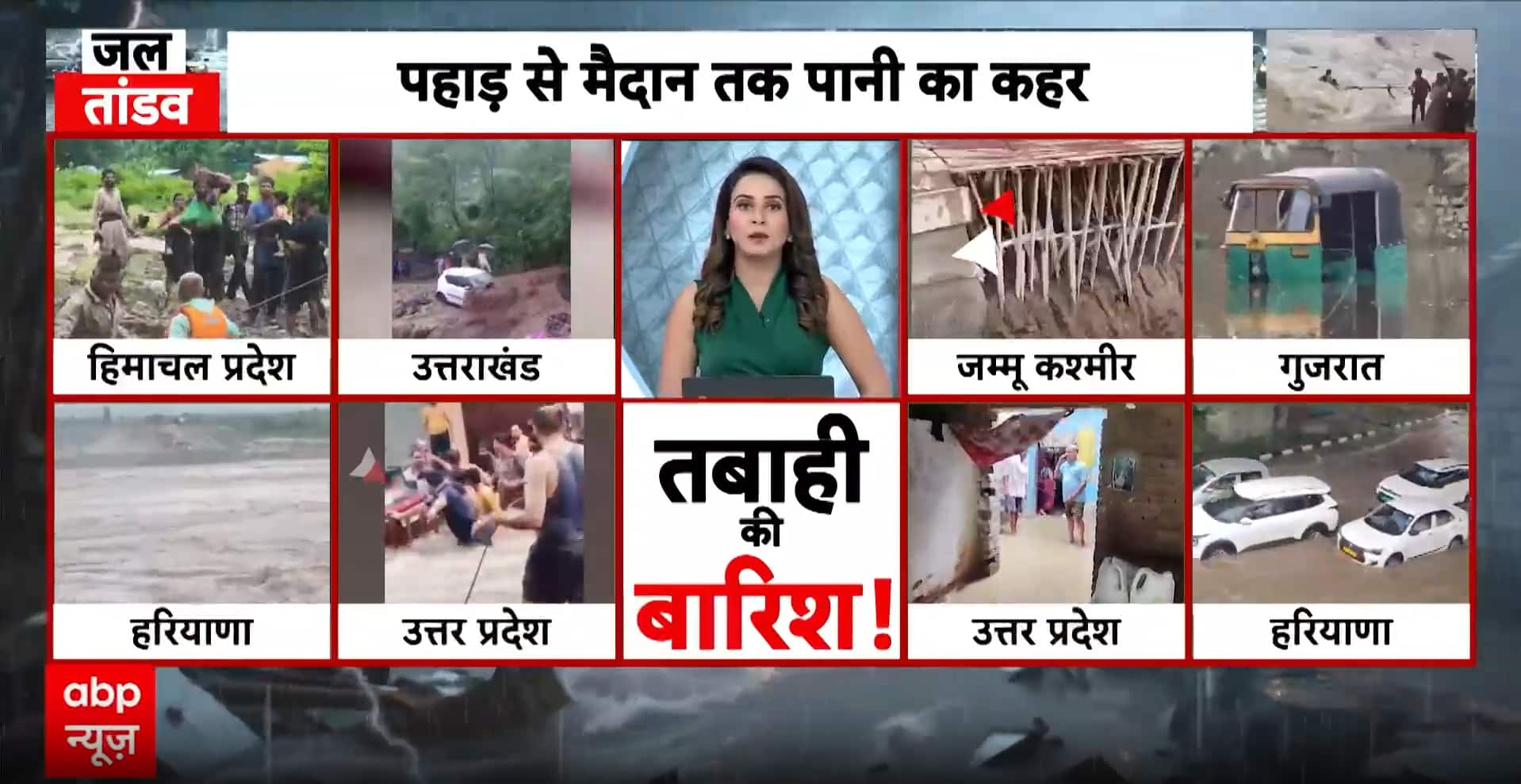
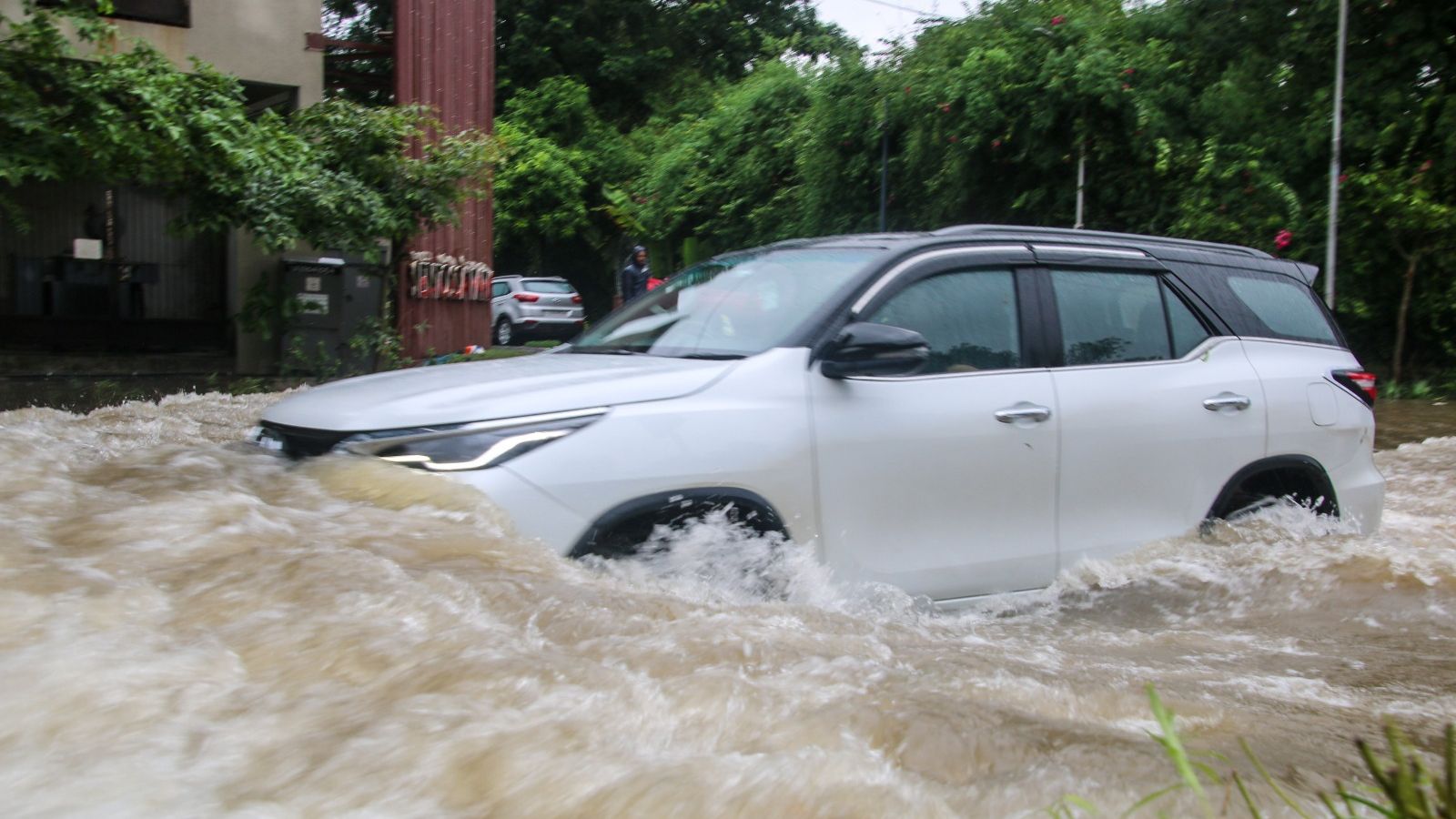
The recent meteorological event that saw Ahmedabad’s Bopal and Ghuma regions receive an unprecedented 22 inches of rainfall has served as a grim wake-up call for urban planners and municipal authorities. Over a period of three days, the relentless downpour transformed these rapidly developing residential hubs into scenes of widespread waterlogging, effectively paralyzing daily life and exposing deep-seated vulnerabilities in the city’s peripheral infrastructure. While the intensity of the rainfall was undeniably extreme, experts point to a convergence of systemic failures—namely unplanned urban expansion and the aggressive, often unregulated, application of Transfer of Development Rights (TDR)—as the primary architects of this disaster.
For residents of Bopal and Ghuma, the spectacle of submerged thoroughfares and stagnant water lingering for days is not an entirely new phenomenon. However, the scale of this year’s disruption highlights an escalating crisis. The topography of these areas, once characterized by open land and natural drainage channels, has been radically altered by a decade of high-density construction. As the concrete footprint has expanded, the natural percolation capacity of the soil has been decimated, leaving urban drainage systems—which were never designed to handle such rapid urbanization—completely overwhelmed.
The TDR Conundrum and Unplanned Development
At the heart of the current crisis lies the controversial deployment of Transfer of Development Rights (TDR). Originally intended as a tool to facilitate urban redevelopment by allowing property owners to transfer unused development rights from one parcel of land to another, the policy has, in practice, become a catalyst for excessive density in areas like Bopal and Ghuma. By permitting developers to build beyond the original intended capacity of the land, the policy has placed an unsustainable burden on existing civic amenities.
The core issue is that infrastructure development has failed to keep pace with the vertical growth incentivized by TDR. In many instances, road networks and stormwater drains were designed for low-density residential layouts. When these areas are suddenly subjected to high-rise density, the load on the sewage and drainage networks increases exponentially. Furthermore, the lack of integrated master planning means that as developers maximize their floor space index, the surrounding environment loses the necessary setbacks and green buffers that historically acted as natural sponges for excess water. The result is a landscape where water has nowhere to go but to pool on the surface, creating localized floods that persist long after the clouds have cleared.
Reactive Governance and the Cycle of Knee-Jerk Solutions
The municipal response to the waterlogging has been characterized by what many observers describe as "knee-jerk" interventions. Following the deluge, authorities were seen deploying high-capacity pumps to drain water into nearby catchments or open low-lying lands. While these actions provide immediate relief to stranded residents, they fail to address the structural deficiencies that cause the flooding in the first place. This cycle of reactive management—responding to the symptom rather than the cause—has become an annual ritual that drains public funds without yielding long-term resilience.
Sustainable urban management requires a paradigm shift toward long-term water sensitive urban design (WSUD). This involves retrofitting existing neighborhoods with permeable pavements, creating urban wetlands, and enforcing strict zoning laws that account for real-time drainage capacity rather than theoretical projections. Without a comprehensive audit of the current drainage network and a moratorium on development that exceeds the carrying capacity of local infrastructure, these peripheral regions will remain perpetually susceptible to flooding, regardless of the severity of the monsoon season.
What This Means for Farmers
While the focus of the Bopal-Ghuma flooding is primarily urban, the implications for the surrounding agricultural community are significant and multifaceted. For farmers on the peri-urban fringe, these incidents serve as a cautionary tale regarding the encroachment of concrete into rural zones.
1. Loss of Drainage Pathways: As urban expansion pushes outward, natural runoff channels that have historically drained agricultural fields are frequently blocked or paved over. Farmers in the immediate vicinity of these developments are increasingly finding their crops at risk of waterlogging, as the runoff from new residential clusters is diverted into their low-lying farmland.
2. Soil Degradation and Contamination: The urban runoff causing these floods is often laden with non-biodegradable waste, oils, and chemicals from residential sewage. When this water enters agricultural fields, it risks contaminating soil health and compromising irrigation water quality, which can have long-term impacts on crop yield and food safety standards.
3. Land Value and Zoning Uncertainty: For farmers holding land in the path of urban growth, the "unplanned" nature of this development creates an environment of economic instability. While land prices may rise, the inability of the municipal infrastructure to support the area can lead to a "dead zone" scenario where agricultural activity is no longer viable due to drainage issues, but urban development remains stagnant due to poor infrastructure. Farmers should advocate for integrated land-use policies that prioritize the maintenance of natural floodplains and drainage easements, ensuring that urban expansion does not come at the cost of their long-term productivity.