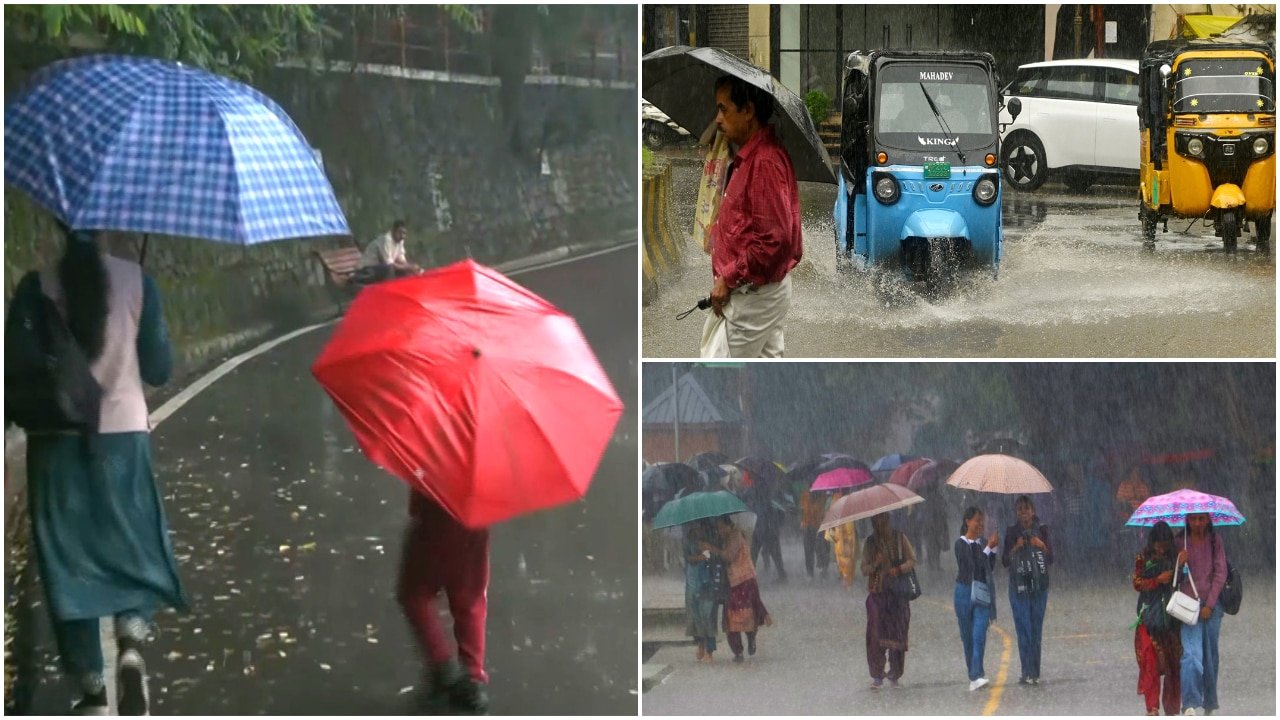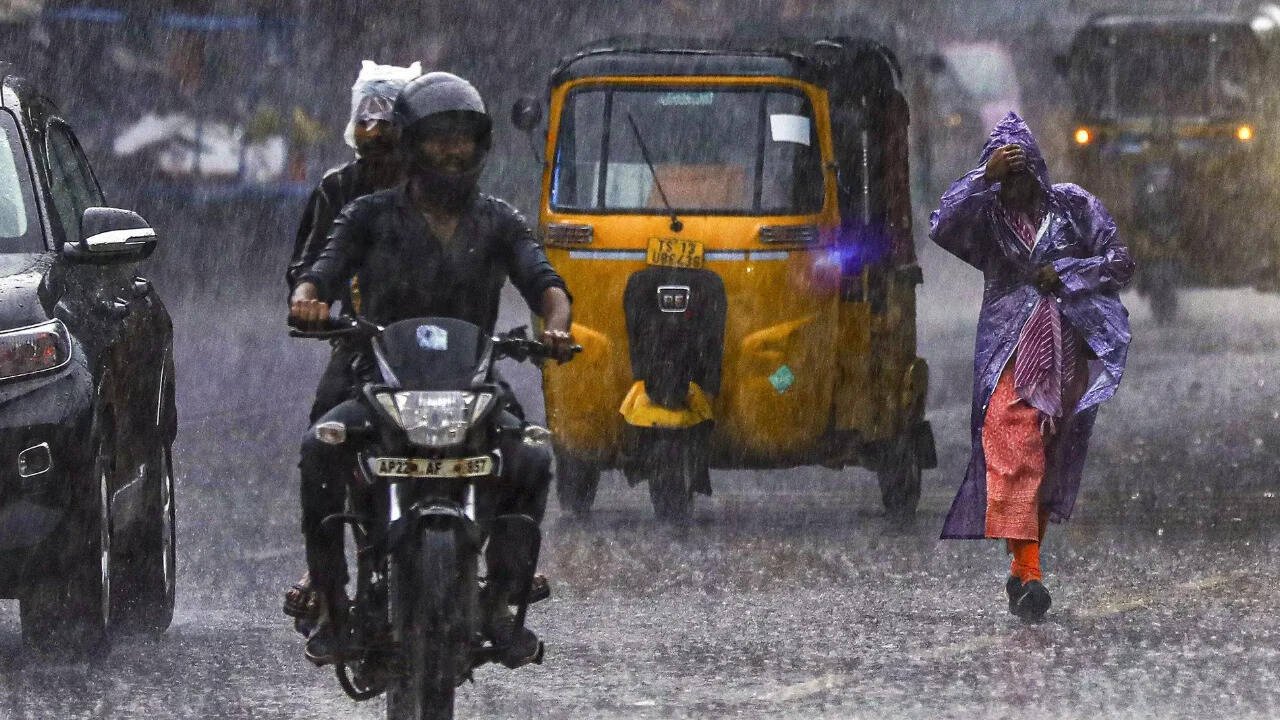
Himachal Pradesh Braces for Renewed Rainfall as IMD Issues Orange Alert
The monsoon season in Himachal Pradesh continues to present a volatile landscape for both infrastructure and agriculture. Following a brief period of respite, the India Meteorological Department (IMD) has issued a fresh orange alert for the state, warning of heavy to very heavy rainfall across multiple districts. This meteorological shift poses a significant challenge to ongoing recovery efforts, as authorities scramble to stabilize vulnerable terrain and restore critical transit links that have been battered by persistent precipitation throughout the season.
The orange alert signifies a high level of risk, characterized by the potential for flash floods, landslides, and significant disruption to essential services. For a state where topography dictates the pace of economic and agricultural activity, these warnings are not merely cautionary—they are a signal for immediate vigilance. As cloud cover intensifies and precipitation levels rise, local administrations are bracing for the potential of renewed damage to the state’s fragile road networks and rural infrastructure.
Infrastructure Restoration Amidst Shifting Weather Patterns
Despite the looming threat of further rainfall, there is a glimmer of progress in the state's recovery operations. On Wednesday, officials reported a tangible improvement in the connectivity landscape. The number of blocked roads across Himachal Pradesh saw a notable decline, dropping from 192 to 152 within a twenty-four-hour period. This reduction represents the tireless efforts of engineering crews and disaster management teams working in high-risk zones to clear debris, stabilize slopes, and reopen vital arteries that connect rural farming communities to regional marketplaces.
However, the reduction in road closures is a precarious victory. In mountainous terrain, the stabilization of roads is a constant battle against gravity and soil saturation. With the IMD’s orange alert in effect, the risk of fresh landslides remains elevated. Saturated soil loses its cohesive strength, meaning that even moderate bursts of rainfall can trigger new blockages, effectively neutralizing the progress made by restoration crews. The logistical challenge is compounded by the need to balance rapid reopening of roads with the safety of workers who must operate in areas prone to geological instability.
The Cyclical Impact on State Connectivity
The relationship between Himachal Pradesh’s geography and its logistical infrastructure is inherently linked to the monsoon cycle. The fluctuation in road access—moving from nearly 200 blocked routes down to 152—highlights the volatility of the region’s supply chains. When roads are severed, the economic ripple effect is immediate: farm-to-market transit is halted, perishable produce risks spoilage, and the delivery of essential inputs like fertilizers and seeds is delayed.
Furthermore, the state’s reliance on road transport for the movement of heavy machinery and construction materials means that any disruption creates a bottleneck for long-term repairs. The current restoration strategy focuses on clearing primary arteries first to ensure that emergency services and food supplies can reach isolated pockets. While the decline in blocked roads is a positive indicator of administrative capacity, the impending weather event serves as a reminder that the window for permanent, long-term infrastructure hardening is frequently closed by the demands of immediate disaster management.
What This Means for Farmers
For the agricultural community in Himachal Pradesh, the current situation necessitates a shift toward defensive management strategies. The practical implications of the ongoing weather alerts and road closures are significant:
- Supply Chain Disruptions: Farmers should anticipate continued volatility in the transportation of perishable crops. With road networks remaining fragile, producers are advised to explore local storage options or coordinate with cooperative groups to aggregate produce, making the most of the limited transport windows when roads are clear.
- Risk of Crop Loss: Heavy rainfall increases the risk of soil erosion in terraced fields and the potential for waterlogging in low-lying areas. Farmers should ensure that drainage channels are kept clear of debris to prevent water accumulation, which can lead to root rot and fungal diseases.
- Market Access Strategy: With the number of blocked roads fluctuating, market prices for agricultural goods may become unpredictable. Farmers should stay closely connected with local agricultural extension offices and market committees to receive real-time updates on route accessibility before attempting to transport goods.
- Safety First: Given the orange alert, prioritize personal and livestock safety over field operations. Avoid working on slopes or in areas prone to sudden landslides during peak rainfall hours. Monitor local weather bulletins daily, as the mountainous terrain can lead to localized weather shifts that differ significantly from regional forecasts.
By staying informed and prioritizing the preservation of existing harvests over new planting or intensive field work during this high-risk period, farmers can better navigate the logistical hurdles posed by this monsoon season.