Widespread Monsoon Activity Triggers Red Alerts Across Key Agricultural Belts
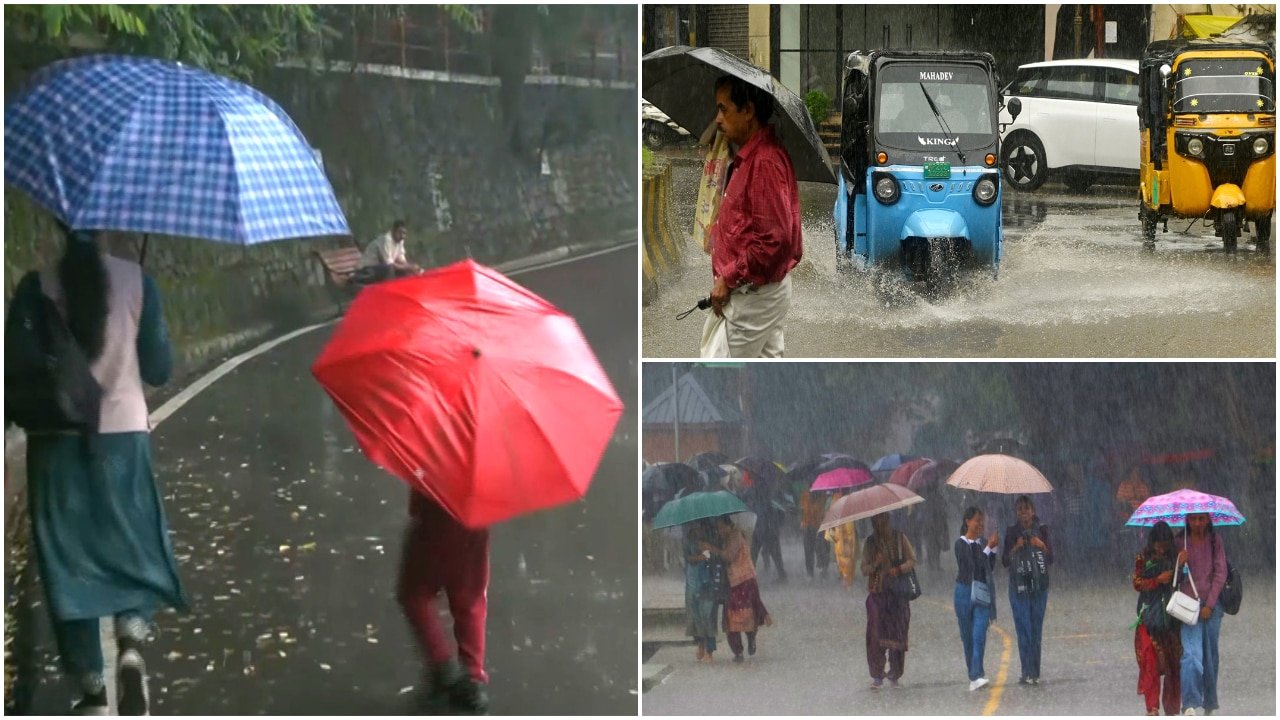
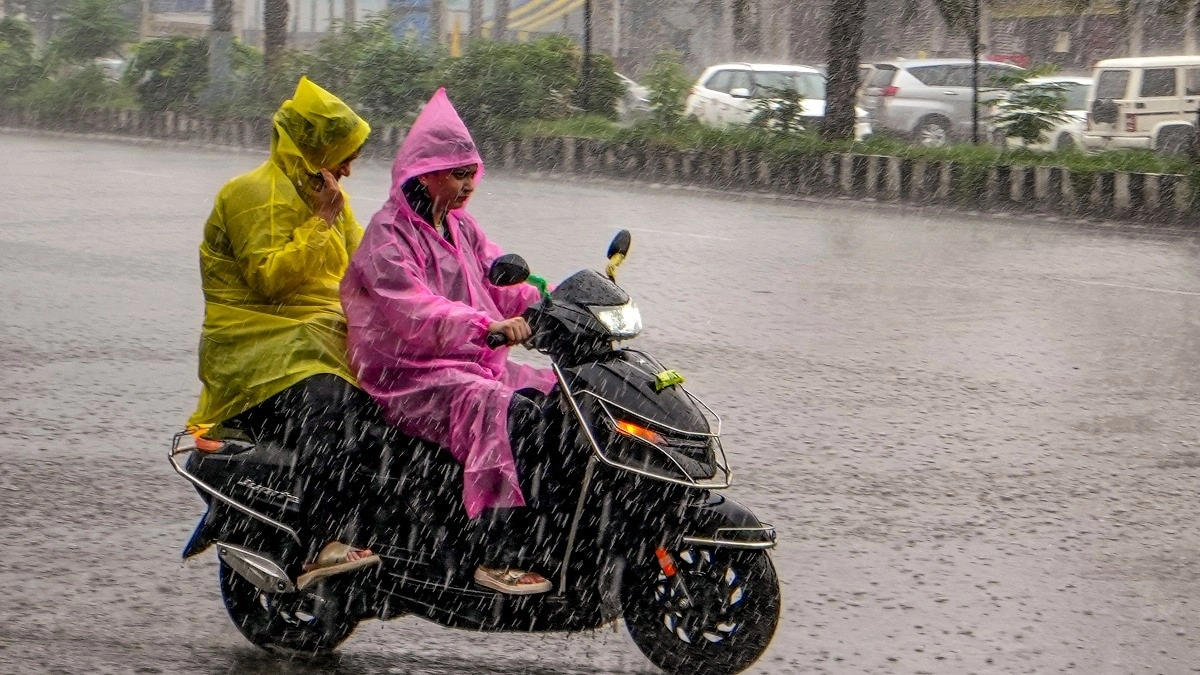
The India Meteorological Department (IMD) has issued a high-priority weather bulletin as the southwest monsoon intensifies across the country. With torrential rainfall reported over the last 24 hours, particularly across Eastern Rajasthan and Western Madhya Pradesh, the weather agency has placed a significant portion of the nation under a state of alert. As of August 13, the monsoon trough remains active, drawing moisture from the Bay of Bengal and the Arabian Sea, creating conditions conducive to widespread precipitation across 20 states.
The IMD’s latest forecast indicates that the monsoon’s current trajectory poses an immediate challenge to regional infrastructure and standing crops. While the rainfall is critical for replenishing reservoirs and groundwater tables, the sheer volume of precipitation—categorized as "extremely heavy" in specific pockets—has prompted the issuance of red warnings for Eastern Rajasthan and Western Madhya Pradesh. These alerts signify a high risk of localized flooding, waterlogging in low-lying areas, and potential disruption to rural logistics.
Synoptic Assessment of Monsoon Dynamics
The current meteorological situation is driven by a well-defined monsoon system that is currently tracking over central and northern India. Meteorologists note that the convergence of moisture-laden winds has created a sustained period of rainfall that shows little sign of immediate abatement. The active monsoon trough, which is currently positioned south of its normal location, is effectively channeling heavy rainfall into the heart of the country’s agricultural landscape.
The impact of this system is not limited to the two primary red-alert zones. The IMD bulletin suggests a broader disruption that extends across 20 states, ranging from the Himalayan foothills to the central plains. This atmospheric instability is characterized by high-intensity convective activity, which often leads to sudden, heavy downpours that can saturate soil profiles rapidly. In regions where the soil is already moisture-heavy from previous rain events, the risk of surface runoff and soil erosion increases significantly, complicating field operations and land management.
Infrastructure and Crop Vulnerability
For the agricultural sector, the timing of these heavy rains is a double-edged sword. On one hand, the monsoon is essential for the kharif season, providing the necessary hydration for crops such as paddy, pulses, and oilseeds. On the other hand, the intensity of the current weather event threatens to negate these benefits. Excessive water accumulation in fields can lead to root rot, nutrient leaching, and the physical lodging of crops, where the weight of the water and wind causes the stalks to bend or collapse, hindering growth and complicating future harvesting efforts.
Beyond the fields, the monsoon activity is impacting the rural supply chain. Heavy rains frequently lead to the disruption of rural road networks, making it difficult for farmers to transport fertilizers, pesticides, or harvested produce to mandis (markets). Furthermore, the high humidity and persistent cloud cover associated with these weather systems can create a micro-environment conducive to the rapid spread of fungal diseases and pest infestations, requiring farmers to remain vigilant and ready to apply protective measures as soon as the weather permits.
What This Means for Farmers
The current red alert status necessitates proactive measures to mitigate potential losses. Farmers in the affected regions should consider the following actionable strategies to protect their operations:
- Ensure Field Drainage: Prioritize the maintenance of drainage channels around fields to prevent water stagnation. Excess water must be diverted away from standing crops to prevent root asphyxiation and soil saturation.
- Monitor for Pests and Diseases: High humidity and rainfall are primary triggers for fungal outbreaks. Agricultural experts recommend frequent field scouting. If weather conditions allow for a brief window of dry spells, preventative application of fungicides may be necessary to protect crop health.
- Secure Harvested Produce: For farmers who have already harvested early kharif crops, it is imperative to store produce in raised, moisture-proof structures. Avoid storing grains directly on the ground where water could seep in.
- Infrastructure Checks: Inspect farm equipment and livestock shelters. Ensure that animals are moved to higher ground and that electrical connections for irrigation pumps or machinery are properly insulated and disconnected if flooding appears imminent.
- Stay Informed: Weather patterns during the monsoon can shift rapidly. Farmers should rely on official IMD updates and local district agricultural offices rather than anecdotal reports to make informed decisions regarding irrigation and chemical applications.
While the monsoon remains the lifeblood of Indian agriculture, the current intensity level requires a disciplined approach to risk management. By taking immediate steps to safeguard drainage and protect crop health, farmers can minimize the negative impacts of this severe weather event and ensure the resilience of their seasonal output.