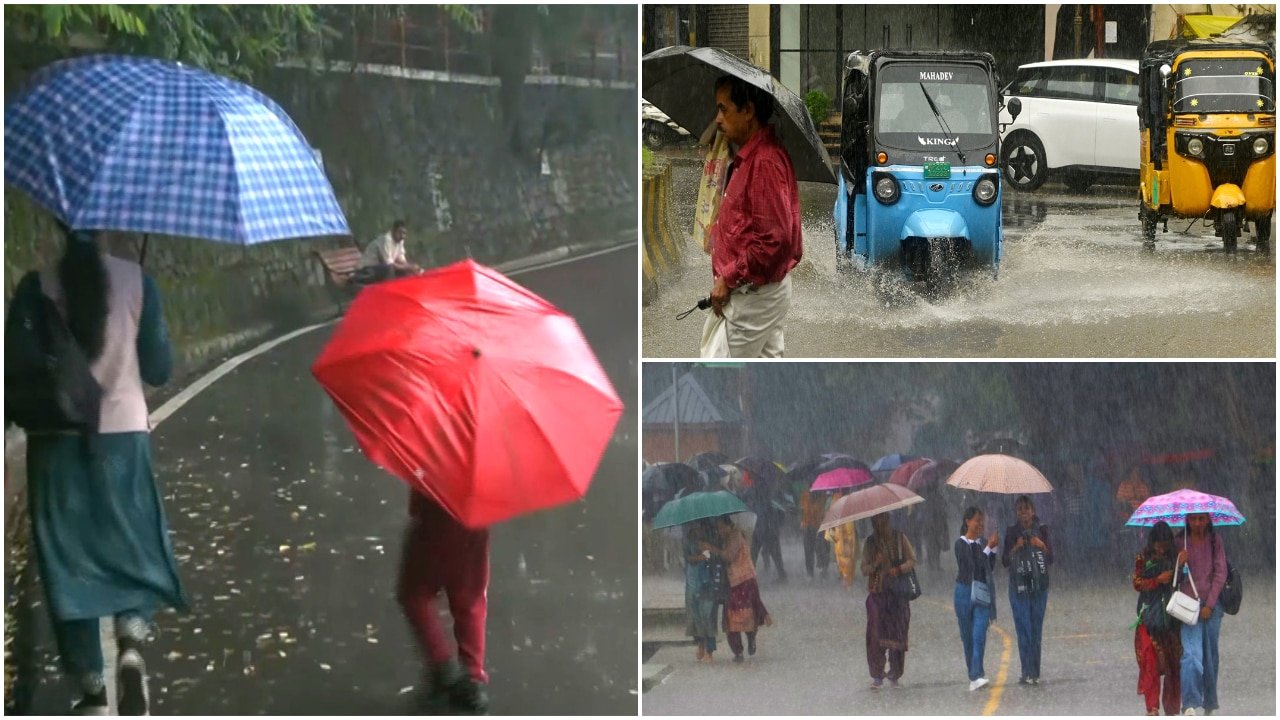
Meteorological Convergence: Dual Monsoon Systems Trigger Nationwide Alert
India is currently bracing for a volatile climatic phenomenon as meteorological data confirms the collision of two major monsoon systems over the subcontinent. This rare atmospheric convergence, characterized by the interaction of moisture-laden currents from both the Arabian Sea and the Bay of Bengal, has prompted national weather authorities to issue widespread red and orange alerts. The confluence is expected to intensify precipitation levels significantly, turning standard monsoon showers into potentially hazardous, torrential rain events across a vast swathe of the country.
Satellite imagery released by national monitoring agencies reveals a dense, swirling mass of cloud cover stretching across the central and western regions. Meteorologists note that the interaction between these two distinct low-pressure systems is creating a "funnel effect," drawing in massive volumes of moisture that are being dumped rapidly onto the landscape. With the monsoon trough becoming increasingly active, states ranging from the eastern coastline to the rugged northern highlands are reporting record-breaking rainfall, leading to localized inundation and heightened concern for infrastructure stability.
Geographic Scope: From Coastal Plains to Mountainous Terrain
The impact of this dual-system collision is geographically diverse, reflecting the vast reach of the monsoon’s influence. In the eastern states, particularly Odisha and Chhattisgarh, authorities have warned of intense, persistent showers that threaten to overwhelm drainage systems and low-lying agricultural tracts. The heavy precipitation is expected to persist for several days, keeping emergency response teams on high alert for flash flooding and landslides in vulnerable areas.
Simultaneously, the northern and western corridors—including Jammu & Kashmir, Himachal Pradesh, Gujarat, and Maharashtra—are grappling with the compounding effects of sustained rainfall. In the mountainous northern regions, the risk of landslides remains critical, as saturated soil layers lose their structural integrity. Meanwhile, in Gujarat and Maharashtra, urban centers and rural hinterlands alike are facing the dual challenge of sudden runoff and the slow drainage of monsoon water, which complicates transport and agricultural field management. Assam, already prone to seasonal flooding, remains under strict observation as upstream rainfall continues to swell river basins, threatening to breach embankments and isolate communities.
The Risk of Flash Flooding and Infrastructure Strain
The primary concern for disaster management agencies is the unpredictability of flash floods. Unlike seasonal monsoon rain, which typically allows for steady soil absorption and controlled river flow, the collision of these two systems is producing high-intensity bursts of rain over short durations. This "cloudburst-like" behavior prevents the earth from soaking up the water, leading to rapid surface runoff that can turn seasonal streams into torrents within minutes.
As the weather office continues to monitor the movement of these systems, the focus has shifted toward the integrity of critical infrastructure. Road networks in hilly regions are particularly susceptible to being severed by debris flows, while agricultural regions face the risk of waterlogging, which can cause significant damage to standing Kharif crops. The persistence of these conditions over a five-day forecast period suggests that the saturation levels will likely hit a breaking point in several districts, requiring proactive measures to prevent loss of life and property.
What This Means for Farmers
For the agricultural community, this period of extreme weather demands immediate vigilance and strategic planning. The primary concern is the potential for waterlogging in fields, which can lead to root rot and the leaching of essential nutrients from the soil, particularly in areas where crop germination is still in the early stages.
- Prioritize Drainage: Farmers are advised to inspect and clear all field drainage channels immediately to prevent water stagnation. In low-lying areas, creating small trenches to divert excess water away from high-value crop beds can be the difference between a minor setback and total crop failure.
- Post-Rain Nutrition Management: Once the immediate threat of heavy rain subsides, soil nutrient levels will likely be depleted due to leaching. Consult local agricultural extension officers regarding the timing of top-dressing fertilizers; applying nutrients during a lull in the rain is critical to ensure plants recover without further loss to runoff.
- Monitor for Disease: High humidity and waterlogged conditions are perfect breeding grounds for fungal pathogens. Farmers should scout their fields for early signs of blight or fungal infections and be prepared to apply prophylactic treatments once the weather stabilizes.
- Livestock Safety: Ensure that livestock are moved to higher, dry ground and that fodder stocks are stored in elevated, waterproof areas to prevent contamination and spoilage.
- Economic Preparedness: Keep a close eye on local market alerts and weather updates. While the rain is essential for the monsoon season, the current intensity may disrupt logistics and supply chains. Planning for potential delays in transporting harvested or perishable goods to local mandis is essential to minimize financial losses.