Widespread Monsoon Deluge Prompts High-Alert Status Across India
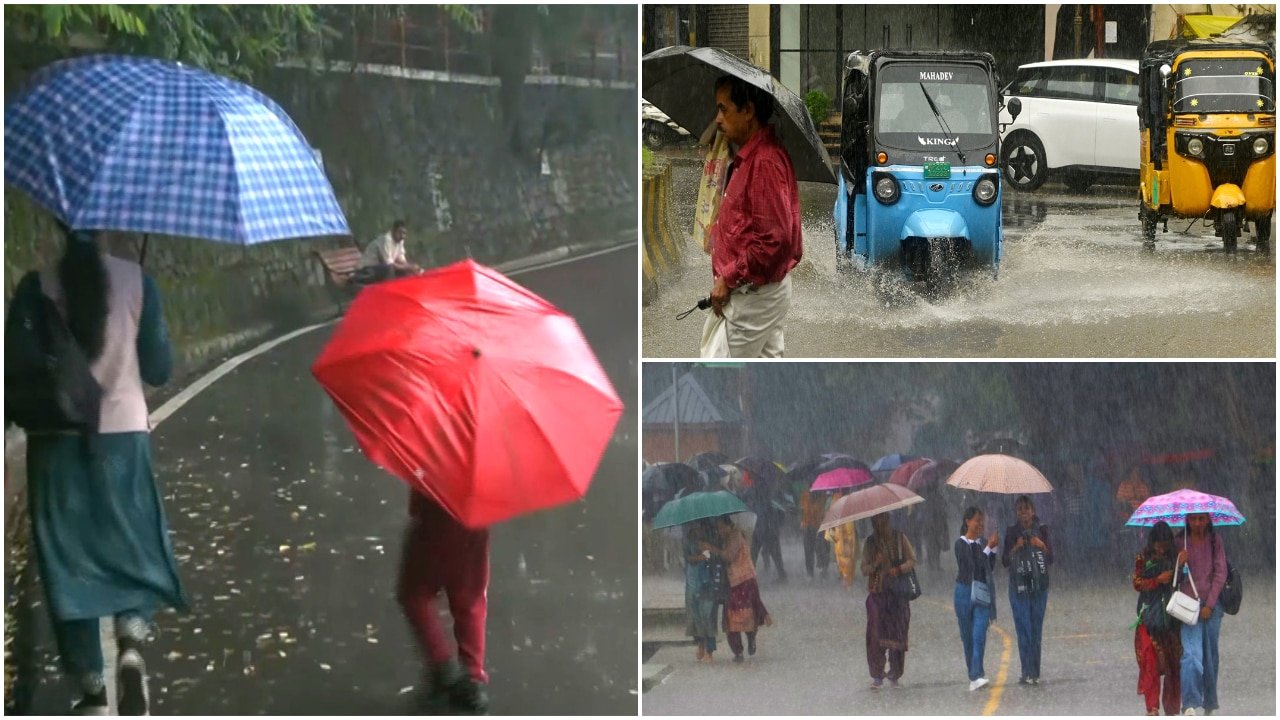
India’s monsoon season has entered a critical phase as the India Meteorological Department (IMD) issues urgent warnings regarding persistent, heavy rainfall. Following a period of record-breaking precipitation in western regions, the meteorological system is now shifting its trajectory, threatening to bring severe weather conditions to northern and northeastern states. With the ground already saturated in many areas, authorities are emphasizing the heightened risk of flash floods, landslides, and significant disruptions to agricultural activities.
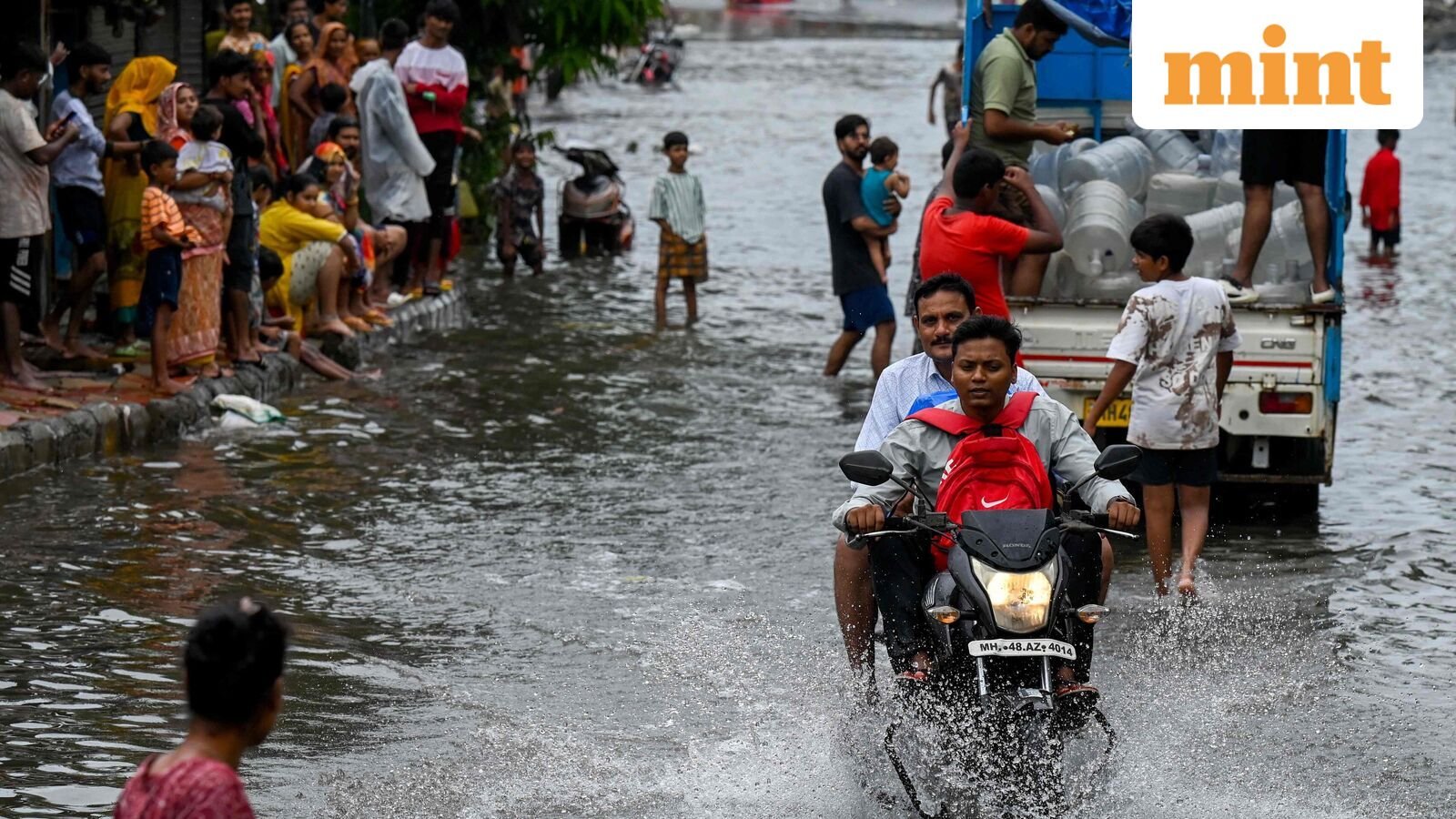
The western states of Gujarat and Maharashtra, which have been the primary focus of the current weather system, continue to grapple with the aftermath of relentless downpours. Low-lying urban areas and agricultural belts alike are contending with waterlogged fields and compromised infrastructure. As the low-pressure system moves eastward and northward, meteorologists warn that the intensity of the rainfall shows little sign of abating, necessitating a state of high alert for disaster management agencies and the farming community at large.
The Shift Toward Northern and Northeastern Regions
The current weather pattern is characterized by a deep-seated moisture surge, fueled by active monsoon troughs that are currently positioned over central India. As these systems track toward the northern plains and the northeastern hill states, the IMD anticipates a significant uptick in rainfall intensity. For the northern states, this transition poses a dual threat: heavy rainfall in the plains and the potential for cloudburst-like events in the mountainous regions of the Himalayas.
The northeastern region, already prone to monsoon-related volatility, is bracing for sustained heavy rainfall that could exacerbate existing river levels. Hydrological experts are closely monitoring the Brahmaputra and its tributaries, as the predicted volume of water threatens to trigger flash floods in vulnerable districts. The combination of high soil moisture content and the forecast of intense daily rainfall creates a precarious environment where even moderate storms could lead to rapid surface runoff and localized flooding.
Infrastructure and Agricultural Vulnerabilities
The impact of this weather event extends far beyond urban centers, hitting the agricultural sector at a sensitive time in the crop cycle. In many western and central regions, the excessive rainfall has already impeded critical field operations. The ongoing persistence of rain threatens to disrupt the harvest of early-season crops and delay the essential application of fertilizers and pesticides for late-season varieties.
Furthermore, prolonged waterlogging poses a severe threat to crop health. Excessive moisture in the root zone can lead to rapid onset of fungal diseases, root rot, and the leaching of essential nutrients from the topsoil. For farmers in the path of the approaching storm front, the priority remains the mitigation of water damage and the protection of stored grain and livestock. The agricultural extension services have been advised to maintain close communication with rural communities, providing real-time updates on weather trajectories to help farmers make informed decisions about their field management strategies.
What This Means for Farmers
The current meteorological forecast necessitates immediate and proactive measures from the farming community to minimize economic loss and ensure the safety of assets. The following considerations are paramount for those in the affected zones:
- Prioritize Field Drainage: Ensure that drainage channels are cleared of debris. In low-lying fields, creating temporary furrows can help divert excess water away from high-value crop stands, preventing long-term waterlogging that can kill root systems.
- Monitor for Pathogens: High humidity and water-saturated conditions are ideal breeding grounds for fungal infections. Farmers should scout fields regularly for early signs of disease and be prepared to apply recommended fungicides as soon as a break in the weather permits.
- Secure Livestock and Inputs: Move livestock to higher, sheltered ground and ensure that feed supplies are kept in moisture-proof storage. Protecting fertilizer and seed stock from water damage is essential to avoid significant financial loss.
- Stay Informed via Official Channels: Rely on verified bulletins from the IMD and local agricultural extension offices. Avoid acting on rumors or outdated forecasts, as the rapid movement of these weather systems requires farmers to respond to the most recent data.
- Economic Preparedness: Given the potential for market disruptions and supply chain delays caused by road closures, farmers should assess their current harvest readiness and consider delaying transport until weather conditions stabilize to avoid spoilage in transit.
As the nation navigates this period of intense monsoon activity, the resilience of the agricultural sector will be tested. By focusing on site-specific water management and maintaining vigilance against emerging crop health issues, farmers can better navigate the risks posed by this ongoing weather event.