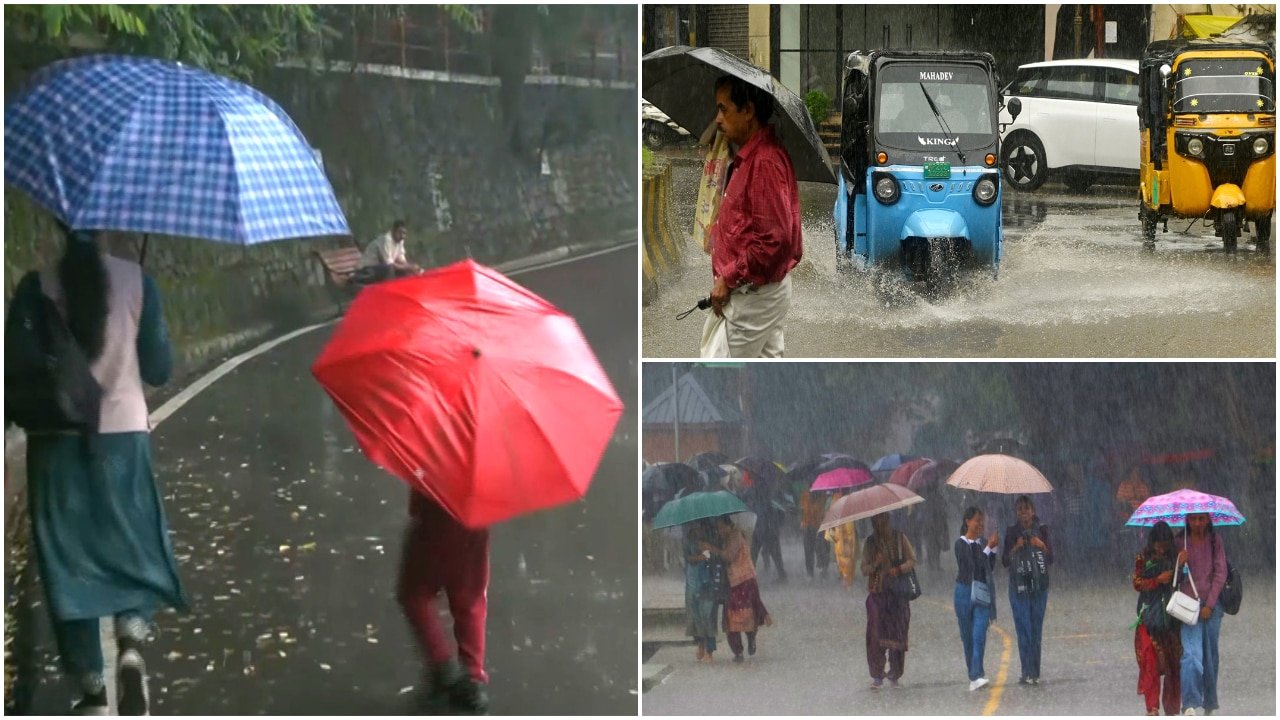
Torrential Rains Trigger Widespread Disruptions Across Gujarat
Gujarat is currently grappling with a severe meteorological event as persistent, heavy rainfall continues to batter the state, forcing authorities to implement emergency measures to safeguard public safety. The India Meteorological Department (IMD) has issued sustained warnings for several districts, predicting "very heavy to extremely heavy" precipitation over the coming 48 hours. In response, local administrations have ordered the closure of all educational institutions—including schools, colleges, and anganwadis—across several affected districts for the upcoming Friday.
The situation has taken a significant turn in the industrial hub of Valsad, where officials have directed factories to suspend operations temporarily. This move is designed to mitigate the risks associated with potential flash flooding and to ensure the safety of industrial workers who would otherwise be navigating hazardous, waterlogged transit routes. As the state monitors rising water levels in key reservoirs and rivers, the focus remains on disaster mitigation and the prevention of further infrastructure damage.
Infrastructure Strain and Agricultural Vulnerabilities
The relentless downpour has placed immense strain on Gujarat’s infrastructure, particularly in low-lying areas. The decision to shutter schools and industrial units reflects the gravity of the situation, as saturated ground and overflowing drainage systems increase the risk of urban flooding. For the agricultural sector, which forms the backbone of the regional economy, the timing of these rains is critical. While monsoon moisture is essential for the kharif crop cycle, the intensity and duration of the current weather pattern threaten to cause significant waterlogging in standing fields.
Agronomists are particularly concerned about the impact on soil aeration and nutrient leaching. Crops such as cotton, groundnut, and paddy, which are currently in vital stages of development, are highly susceptible to root rot and fungal infections when subjected to prolonged inundation. Furthermore, the disruption of transport networks, necessitated by the heavy rains, creates a bottleneck in the supply chain, delaying the movement of essential agricultural inputs like fertilizers and pesticides to rural markets.
Disaster Management and Emergency Protocols
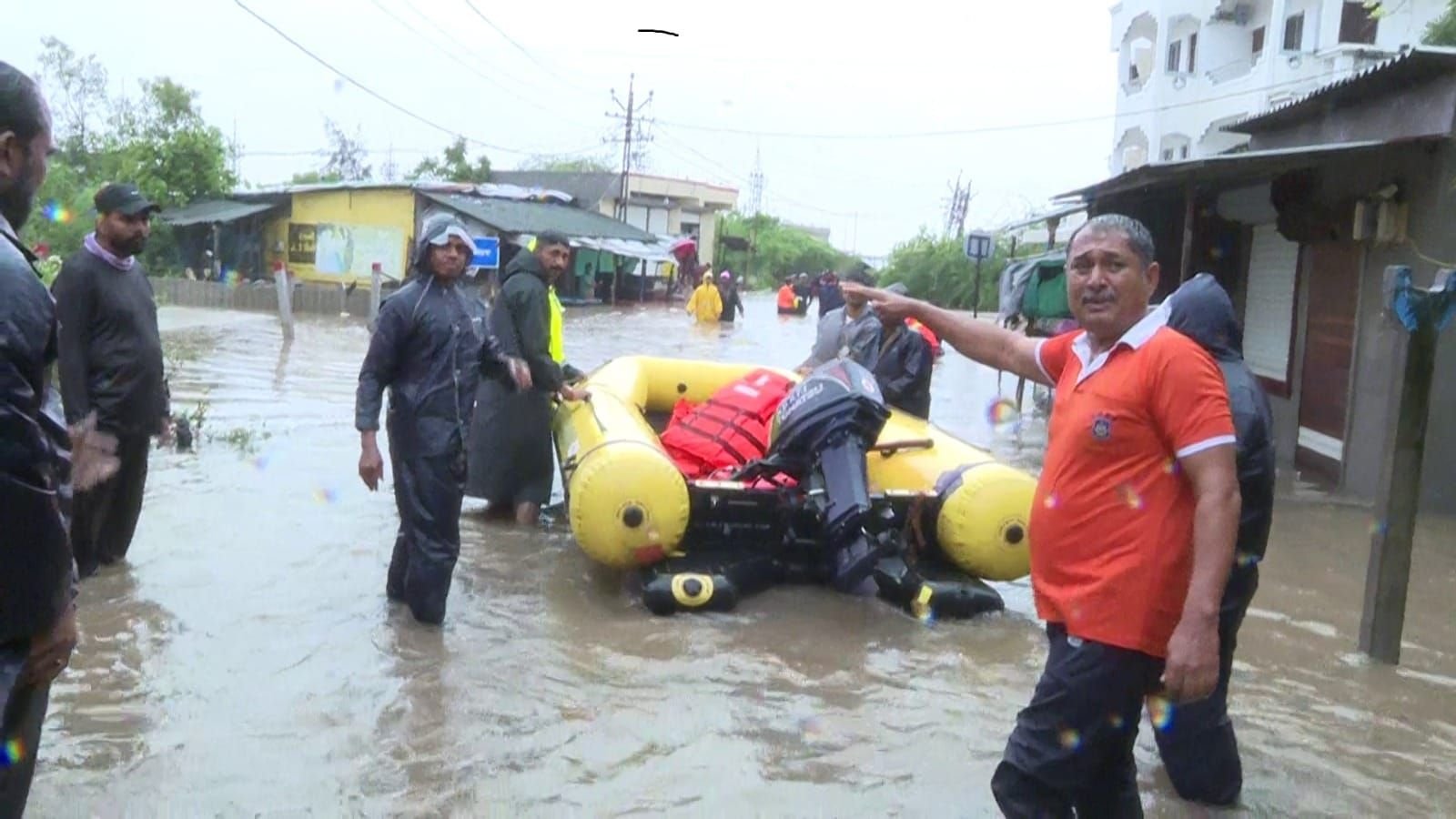
State disaster management teams have been mobilized to provide relief in the most severely affected regions. These teams are coordinating with local authorities to monitor the structural integrity of dams and embankments, which are under pressure from the record-breaking rainfall. The suspension of industrial operations in Valsad serves as a precautionary buffer, reducing the burden on emergency services by limiting the number of people on the roads and ensuring that critical power and water resources are focused on residential and essential service sectors.
As the state government continues to evaluate the meteorological data, the administration has urged residents to remain indoors and avoid traveling near riverbanks or low-lying areas. With the forecast suggesting no immediate respite, the focus is shifting toward long-term drainage management and the potential for crop insurance claims if the current weather pattern results in widespread yield loss.
What This Means for Farmers
For the farming community, this period of extreme weather necessitates a shift toward immediate risk management. Farmers should consider the following practical steps to mitigate the impact of the current weather crisis:
- Prioritize Field Drainage: Where possible, ensure that drainage channels are cleared to prevent water stagnation in fields. Prolonged standing water can lead to the rapid onset of root diseases and the loss of essential soil nitrogen.
- Monitor for Pathogens: High humidity and waterlogged conditions create the perfect environment for fungal diseases. Keep a close watch on crop health and consult with local agricultural extension offices regarding the application of appropriate fungicides once weather conditions permit.
- Secure Harvested Produce: For farmers who have already harvested early crops, ensure that all produce is stored in raised, dry, and well-ventilated structures to prevent spoilage from damp conditions.
- Document Losses: Should crop damage occur, maintain meticulous records, including photographs of the affected fields and documentation of input costs. This will be vital for any future insurance claims or government compensation programs.
- Stay Informed: Continue to monitor local weather bulletins provided by the IMD or state agricultural departments. Avoid unnecessary travel and follow the guidance of local district administrations to ensure personal safety during the peak of the monsoon activity.