IMD Issues High-Alert Warning: Torrential Rainfall Expected Across Four Key Agricultural States
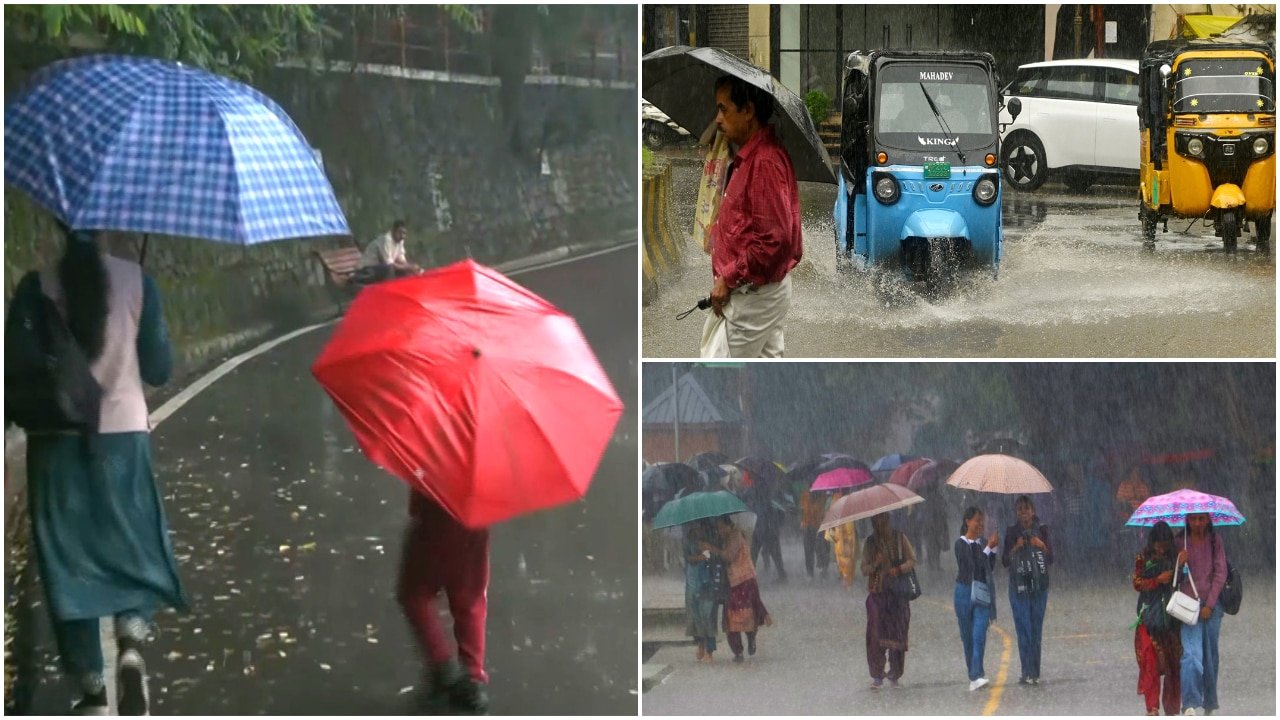
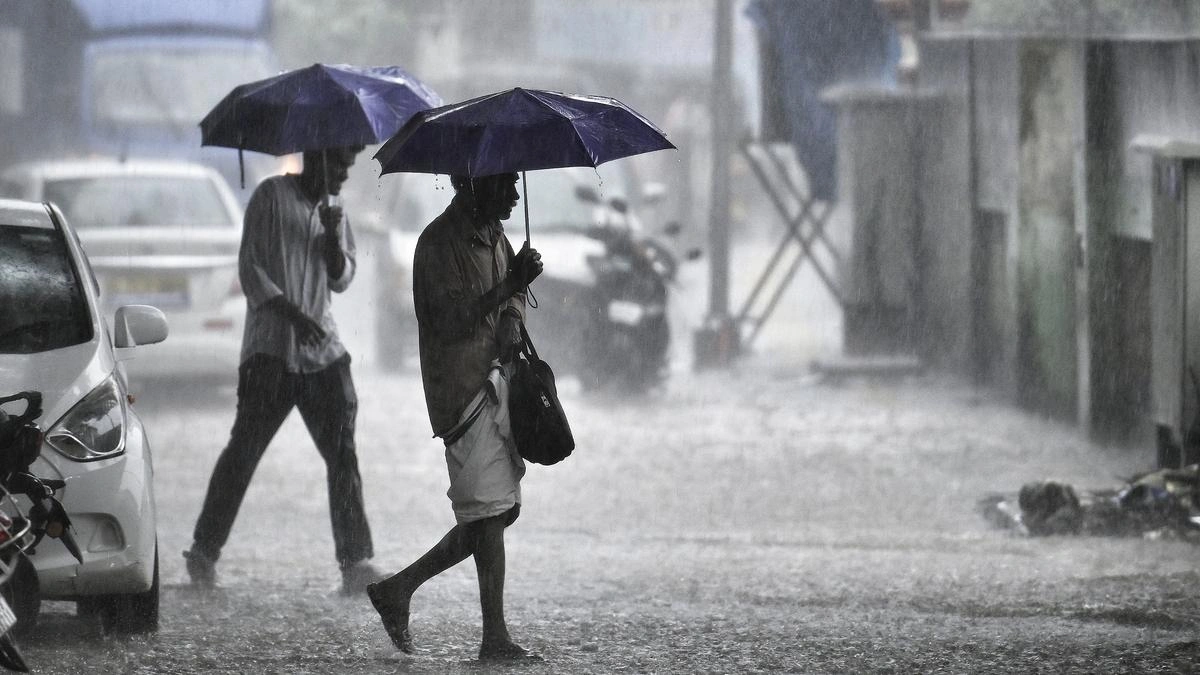
The India Meteorological Department (IMD) has issued a critical weather advisory for August 12, signaling a period of intense atmospheric instability across several key regions. As the monsoon season continues to fluctuate, the latest bulletin highlights an urgent need for preparedness in Eastern Rajasthan, Gangetic West Bengal, Central Maharashtra, and Odisha. Meteorologists have characterized the incoming weather patterns as capable of delivering "heavy to very heavy" rainfall, raising concerns regarding localized flooding, crop damage, and logistical disruptions in areas where agricultural activity is currently at a seasonal peak.
The weather system, driven by active cyclonic circulations and the shifting position of the monsoon trough, is expected to impact these states over the next 24 to 48 hours. Farmers and local authorities in the affected zones are being urged to monitor hourly updates as the IMD tracks the movement of these low-pressure systems, which threaten to disrupt field operations and increase the risk of waterlogging in low-lying agricultural tracts.
Regional Vulnerabilities and Meteorological Drivers
The intensity of the forecasted rainfall varies in its underlying cause, yet the impact remains uniformly significant for the agrarian economies of these four states. In Gangetic West Bengal and Odisha, the focus remains on the coastal and low-lying districts, where the accumulation of heavy precipitation often leads to the rapid swelling of tributaries and drainage channels. For farmers in these regions, the primary concern is the potential for flash floods, which can devastate standing paddy crops during critical growth stages.
Meanwhile, in Eastern Rajasthan and Central Maharashtra, the situation is dictated by the interaction of moist winds with the complex topography of the region. While these states have historically relied on monsoon pulses to replenish reservoirs, "very heavy" rainfall events occurring in such a short window can be counterproductive. Excessive moisture at this stage of the season risks soil erosion and the leaching of essential nutrients, potentially necessitating post-rain intervention to maintain soil fertility levels and protect crop yields.
Managing Field Risks and Infrastructure
The IMD’s warning serves as a reminder of the volatility inherent in modern agricultural cycles. In addition to the direct threat of crop loss, torrential rains often bring secondary hazards, including soil compaction and the increased prevalence of fungal pathogens triggered by high humidity and stagnant water. In Central Maharashtra, where cash crops are particularly sensitive to moisture levels, the risk of root rot and delayed harvesting schedules is significant.
Beyond the fields, the infrastructure supporting agricultural supply chains—such as rural roads, storage facilities, and transport networks—is also at risk. Authorities are advising local farmers to secure harvested grain and protect essential inputs like fertilizers and seeds from water damage. The meteorological office has cautioned that the intensity of these rains may also lead to visibility issues and transport delays, complicating the movement of produce to local mandis and regional markets.
What This Means for Farmers
For the farming community, the IMD alert is a call for proactive risk management rather than panic. The following steps are recommended to mitigate potential economic and physical losses:
- Prioritize Drainage: Ensure that field drainage channels are clear of debris to allow for the rapid dispersal of excess water, particularly in paddy-growing regions where standing water for extended periods can damage crop health.
- Protect Inputs and Equipment: Move stored fertilizers, pesticides, and seeds to elevated, dry storage areas. Ensure that farm machinery is parked on high ground to prevent damage from potential localized flooding.
- Monitor Crop Health: Post-heavy rain, be vigilant for signs of pest outbreaks or fungal infections. High humidity levels following heavy downpours create ideal conditions for disease; consult with local agricultural extension officers regarding preventative fungicide applications if necessary.
- Adjust Irrigation Schedules: Immediately suspend any scheduled irrigation activities. Utilizing the natural moisture provided by these rains can save on operational costs, but only if the soil is not already saturated to the point of waterlogging.
- Market Logistics: Expect potential delays in the transport of agricultural goods. Avoid planning heavy shipments to markets during the peak of the alert period to prevent the spoilage of perishable commodities while stuck in transit.
By staying informed through official IMD channels and coordinating with local agricultural cooperatives, farmers can better navigate this period of volatile weather and safeguard their seasonal investments against the immediate impacts of these heavy rainfall events.