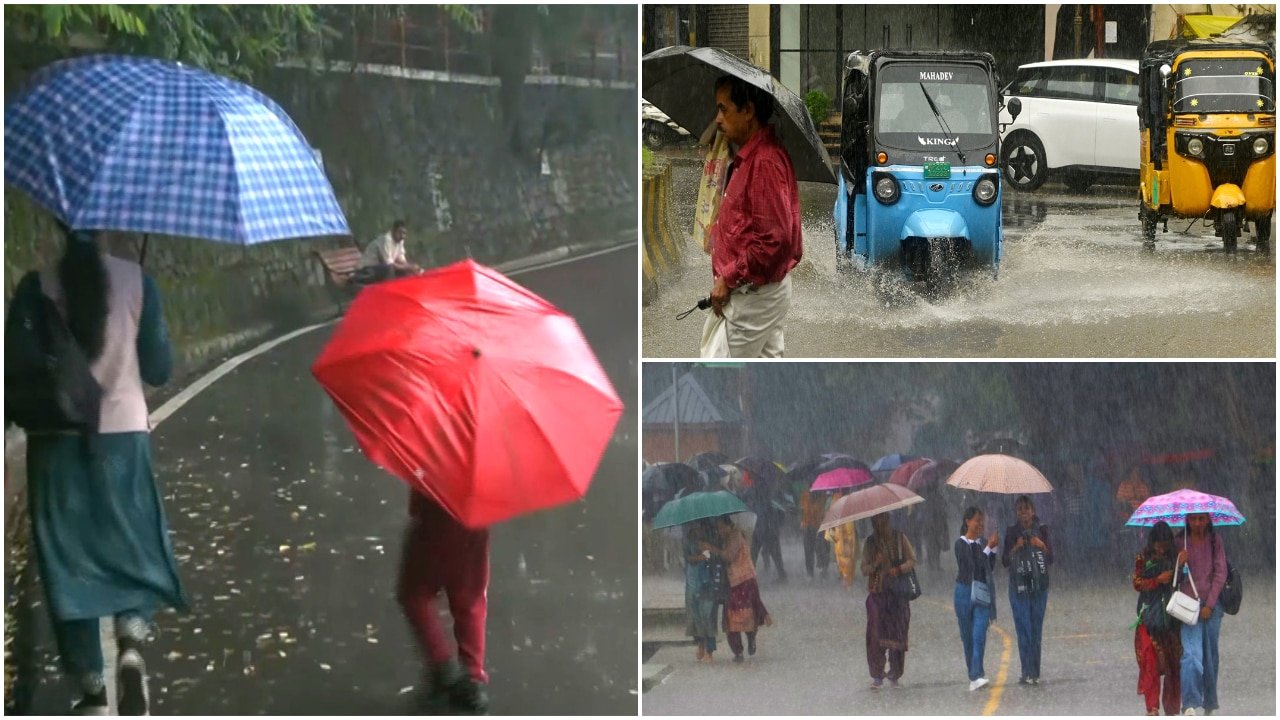
Monsoon Surge Triggers Nationwide Alert: 13 States Under Watch for Heavy Rainfall
A significant shift in atmospheric conditions has prompted meteorological authorities to issue widespread heavy rain alerts across 13 states in India. The intensifying monsoon currents, coupled with active low-pressure systems, have created a high-risk environment for agriculture, infrastructure, and public safety. As the weather systems move across the subcontinent, states ranging from the northern plains to the central plateau are bracing for sustained downpours that threaten to disrupt the ongoing kharif cropping cycle and challenge local water management systems.
The India Meteorological Department (IMD) has categorized the situation as a critical weather event, with specific focus on the eastern and northern belts. While the rain is vital for replenishing reservoirs and supporting water-intensive crops, the sheer volume of precipitation forecasted over a short duration has raised concerns regarding soil saturation, crop lodging, and post-harvest storage security.
Flash Floods and Regional Disruptions
Jharkhand has been placed under a high-priority flash flood warning, as topographical vulnerabilities in the region make it particularly susceptible to rapid water accumulation. The combination of hilly terrain and intense rainfall often leads to sudden runoff, which can cause significant damage to low-lying agricultural fields and rural connectivity. Authorities are closely monitoring river levels to prevent potential breaches that could displace local communities and submerge standing crops.
Meanwhile, the Delhi-NCR region remains under a Yellow Alert, signaling the need for heightened caution. For the capital and its surrounding districts, the primary challenge lies in urban waterlogging and the impact on supply chain logistics. While metropolitan areas face infrastructure gridlock, the surrounding peri-urban farming belts are equally at risk, as sudden surges in rainfall can impede the transport of perishable produce to wholesale markets, leading to potential price volatility and supply chain bottlenecks.
Agronomic Implications of Persistent Precipitation
The current weather pattern presents a complex challenge for the agricultural sector. In many of the 13 affected states, farmers are currently in a critical stage of the growing season. While rainfall is generally welcomed during the kharif season, excessive water at this juncture can lead to root rot, nutrient leaching, and the proliferation of fungal pathogens. The saturation of soil limits oxygen availability to plant roots, which can stunt development and significantly reduce yield potential.
Furthermore, the persistent cloud cover associated with these weather systems reduces the solar radiation reaching crops, which is essential for photosynthesis. This lack of sunlight can delay maturity and affect the quality of grain development. Farmers are advised to maintain vigilance, as these conditions are also conducive to the rapid spread of localized pests and diseases that thrive in high-humidity environments.
What This Means for Farmers
For the farming community, these weather alerts serve as an urgent call to prioritize field management and risk mitigation. The following steps are recommended to minimize potential losses during this period of extreme weather:
- Ensure Field Drainage: Prioritize the maintenance of drainage channels around fields to prevent water stagnation. Excess water must be diverted away from standing crops to prevent root suffocation and disease onset.
- Monitor for Pests and Diseases: High humidity and moisture are primary triggers for fungal infections and pest outbreaks. Regular scouting of fields is essential, and farmers should be prepared to apply prophylactic treatments if early signs of infestation are detected.
- Secure Harvested Produce: For farmers who have already initiated harvesting, it is imperative to ensure that crops are stored in elevated, moisture-free environments. Utilize tarpaulins and raised platforms to protect grain from ground moisture and sudden rain.
- Adjust Fertilizer Application: Postpone any top-dressing of fertilizers until the weather clears. Applying nutrients during heavy rain leads to significant leaching, rendering the investment ineffective and potentially polluting local water sources.
- Stay Informed: Continue to monitor local weather bulletins and district-level agro-advisories. These updates often provide specific guidance tailored to regional soil types and crop stages, which can be invaluable for making real-time management decisions.
While the monsoon is the lifeblood of Indian agriculture, the increasing frequency of extreme weather events necessitates a more proactive approach to farm management. By taking immediate, preventative measures, farmers can better protect their livelihoods against the volatile shifts in the climate.