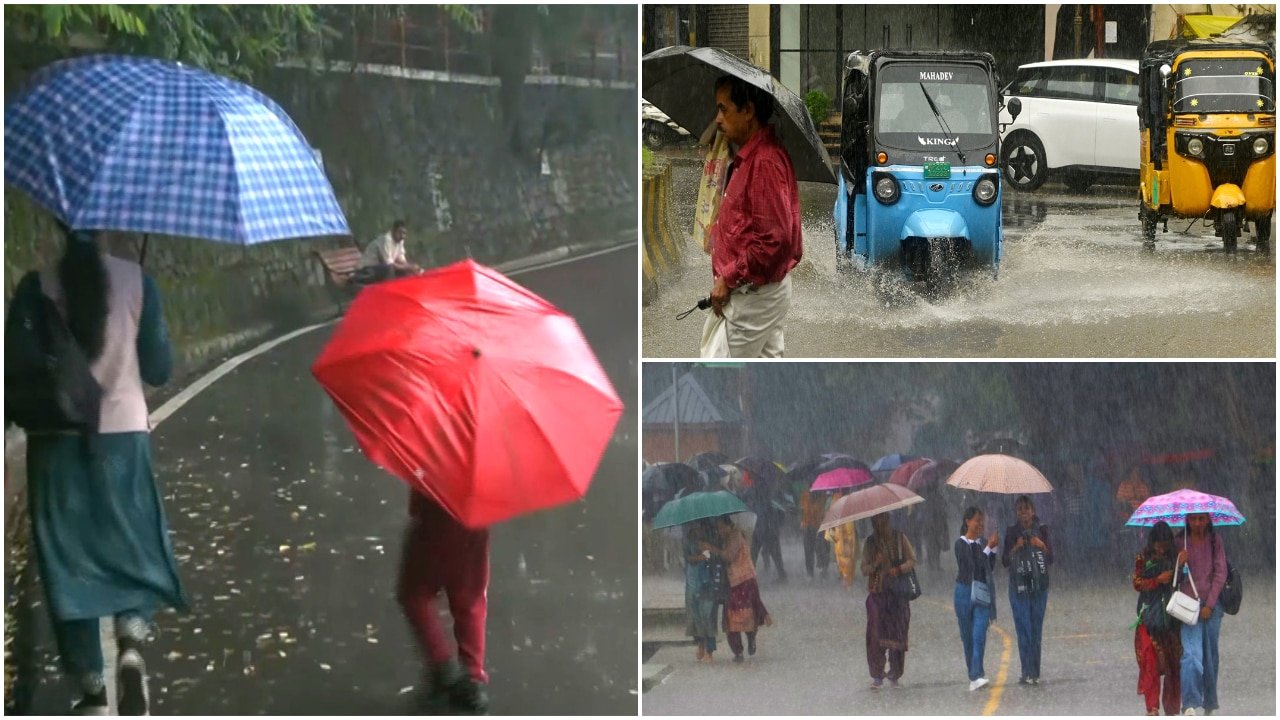
Widespread Rainfall Alert Issued for 14 States as Flood Crisis Intensifies
Agricultural regions across the country are bracing for another wave of extreme weather as the Meteorological Department has issued a high-alert warning for 14 states today. Persistent, heavy rainfall has disrupted daily life and severely compromised infrastructure, with states like Assam and Gujarat bearing the brunt of the deluge. As river levels continue to rise and saturation levels in the soil reach critical thresholds, the threat of flash floods and landslides has escalated, placing both rural communities and agricultural assets in immediate jeopardy.
The current weather pattern is characterized by intense, localized downpours that have overwhelmed drainage systems and breached embankments. In low-lying areas, particularly across the northeastern and western corridors, the situation has rapidly deteriorated. Lakhs of people remain displaced, and the connectivity of transport networks—vital for the movement of agricultural produce—has been severely hampered. Meteorologists attribute this ongoing crisis to a combination of active monsoon troughs and regional atmospheric instability, which are expected to maintain heavy precipitation levels throughout the coming 24 to 48 hours.
Infrastructure and Agrarian Landscapes Under Siege
The impact of this severe weather event extends far beyond urban centers, hitting the agricultural heartlands hardest. In states like Gujarat, where the monsoon has been particularly aggressive, the combination of flooding and waterlogging poses a significant threat to standing kharif crops. Excessive water retention in the soil can lead to root rot, nutrient leaching, and the physical uprooting of young saplings, potentially leading to widespread yield losses.
In Assam, the recurring threat of riverine flooding has once again put the farming community in a state of high alert. The rapid rise in water levels not only destroys seasonal harvests but also causes significant damage to critical agricultural infrastructure, including irrigation channels, storage godowns, and livestock shelters. Landslides in hilly terrains have further complicated the situation, blocking rural access roads and preventing the timely transport of seeds, fertilizers, and fodder. The cumulative effect of these disruptions is a significant strain on the supply chain, which may lead to localized price volatility for perishable commodities in the coming weeks.
The Risk of Post-Rainfall Pest and Disease Outbreaks
Beyond the immediate physical destruction caused by flooding, agronomists are warning of a secondary crisis: the rapid proliferation of plant diseases and pest infestations. Prolonged high humidity and stagnant water create the ideal breeding ground for fungal pathogens and moisture-loving pests. Crops that survive the initial inundation are now at high risk of developing blights, mildews, and bacterial wilts.
Furthermore, the saturation of the soil profile often results in the loss of essential soil nutrients due to leaching. This not only stunts the current crop's growth but also necessitates additional investment in soil health restoration post-monsoon. Farmers are advised to remain vigilant, as the period immediately following a heavy rainfall event is critical for identifying early signs of disease and taking preventative measures to protect remaining yield potential.
What This Means for Farmers
For farmers operating in the affected regions, the immediate priority is the safety of life and livestock, followed by the protection of agricultural assets. Practical steps and economic considerations for the coming days include:
- Prioritize Field Drainage: Where terrain permits, ensure that drainage channels are cleared of debris to facilitate the rapid removal of standing water from fields. Waterlogging for more than 48 hours is often the threshold for irreparable damage to many sensitive crops.
- Monitor for Disease: Once the rain subsides, conduct thorough field inspections for symptoms of fungal infection. Consult with local agricultural extension officers regarding the application of prophylactic fungicides, ensuring that any chemical application is timed to avoid further rainfall.
- Secure Harvests and Inputs: Ensure that stored grain and fertilizers are kept in elevated, waterproof storage areas. Moisture damage to stored inputs can lead to significant financial loss and render seeds non-viable for future planting.
- Document Losses for Insurance: Maintain precise records, including photographs and video evidence of waterlogged fields and damaged infrastructure. Accurate documentation is essential for navigating crop insurance claims and potential government relief packages.
- Adjust Nutrient Management: Expect a deficiency in nitrogen and other mobile nutrients due to leaching. Once the soil stabilizes, consult with local soil testing laboratories to determine the appropriate top-dressing strategy for the remainder of the season.
While the immediate focus remains on managing the ongoing weather crisis, the long-term resilience of these agricultural systems will depend on rapid recovery efforts and the adoption of climate-adaptive farming practices. Maintaining constant communication with local agricultural authorities is essential for receiving real-time updates and localized advisory notices.