Monsoon Intensifies: Widespread Heavy Rainfall Forecast for Mid-August
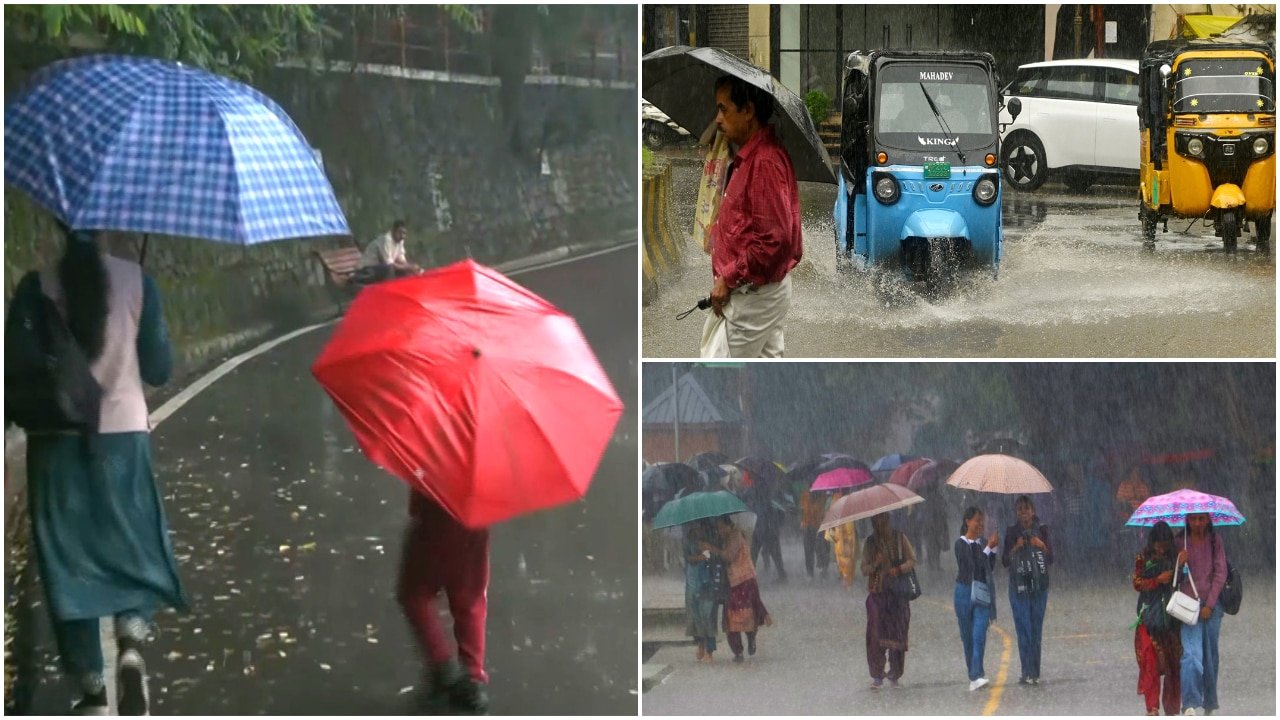
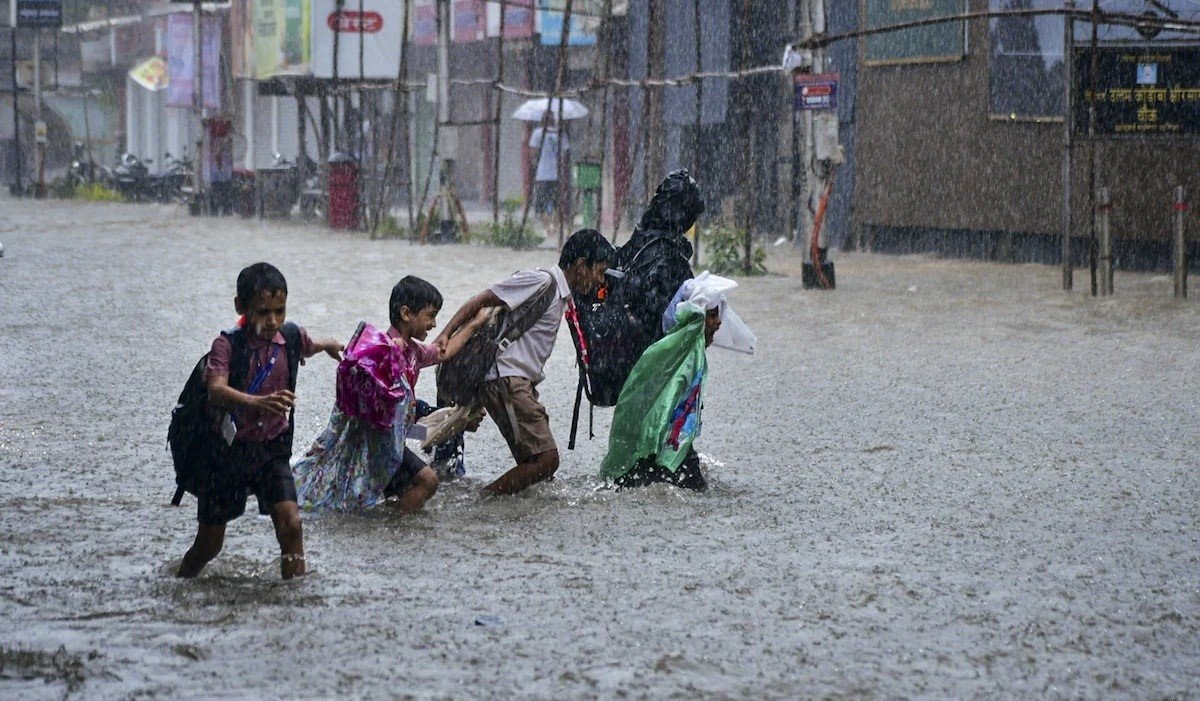
Agricultural regions across the country are bracing for a significant surge in monsoon activity as meteorological authorities issue a widespread alert for heavy rainfall between August 9 and August 12. Following weeks of erratic precipitation patterns, this latest weather system promises to deliver substantial moisture, potentially alleviating dry spells in some areas while raising concerns over waterlogging and soil saturation in others. The meteorological department has highlighted that the atmospheric conditions are currently conducive to intense cloud formation, which is expected to result in heavy downpours across multiple states over the coming four-day window.
The monsoon, which is the lifeblood of the national agricultural economy, has displayed varying levels of intensity throughout the season. While some regions have already surpassed their seasonal rainfall quotas, others have been waiting for consistent moisture to support the vegetative growth phase of Kharif crops. This upcoming period of precipitation is expected to be widespread, impacting both the hilly terrains and the fertile plains, necessitating a state of heightened preparedness among the farming community.
Understanding the Impact on Crop Development and Soil Health
The arrival of heavy rainfall during the mid-August window is a critical juncture for the agricultural calendar. For many farmers, this moisture is essential for the development of paddy, pulses, and oilseeds that are currently in their active growth stages. Adequate soil moisture during this period is vital for nutrient uptake, particularly for nitrogen-based fertilizers that require dissolved water to reach the root zones of crops.
However, the intensity of the projected rainfall brings its own set of management challenges. Heavy, persistent rain can lead to rapid soil saturation, which may impede aeration in the root zone. When soil pores remain filled with water for extended periods, the risk of anaerobic conditions increases, potentially hindering plant respiration and making crops more susceptible to soil-borne pathogens. Furthermore, in areas with poor field drainage, excessive water accumulation can lead to the leaching of essential nutrients, potentially necessitating a re-evaluation of fertilization schedules once the weather clears.
Mitigating Risks During Prolonged Wet Spells
Agronomic experts emphasize that proactive field management is essential when facing an extended period of heavy rainfall. The primary concern during such events is the prevention of water stagnation. Farmers are advised to inspect and clear drainage channels around their fields to ensure that excess water can move away from the crop area efficiently. For low-lying plots, the use of raised beds or trenching can provide a necessary buffer against waterlogging.
Additionally, the high-humidity environment that follows heavy rainfall creates an ideal breeding ground for fungal infections and insect pests. Monitoring crops for early signs of blight, mildew, or sudden pest infestations is crucial during this time. Integrated Pest Management (IPM) strategies, which prioritize scouting and targeted interventions, should be elevated in priority to prevent minor issues from escalating into significant crop losses. Farmers should also avoid applying chemical fertilizers or pesticides immediately before or during heavy downpours, as the runoff will not only render the application ineffective but also contribute to the loss of agricultural inputs.
What This Means for Farmers
For the farming community, the next four days represent a period of high vigilance. The economic implications of this weather pattern are twofold: while it promises to replenish irrigation reservoirs and stabilize soil moisture for the remainder of the Kharif season, it also poses an immediate operational risk. Farmers should consider the following actionable steps:
- Prioritize Drainage: Ensure all field drainage systems are free of debris to prevent standing water, which is particularly detrimental to sensitive crops like pulses and soybeans.
- Postpone Chemical Applications: Avoid the application of fertilizers or crop protection chemicals during the forecast period. Rainfall will cause significant runoff, wasting resources and potentially causing environmental contamination.
- Monitor for Disease: Once the heavy rain subsides, conduct thorough field scouting. The combination of warmth and moisture will likely accelerate fungal growth; early detection is the most cost-effective method of control.
- Livestock Protection: Ensure that livestock are moved to higher, dry ground and that fodder supplies are protected from moisture to prevent spoilage and the development of mold, which can be toxic to animals.
- Market Planning: Keep abreast of local updates regarding transportation and supply chain disruptions, as heavy rain often impacts rural connectivity and the movement of produce to local mandis.
By preparing for the excess moisture now, farmers can mitigate the risks associated with this monsoon surge and better position their crops for a successful harvest in the coming months. Staying informed through local weather advisories remains the best strategy for navigating this period of volatile weather.