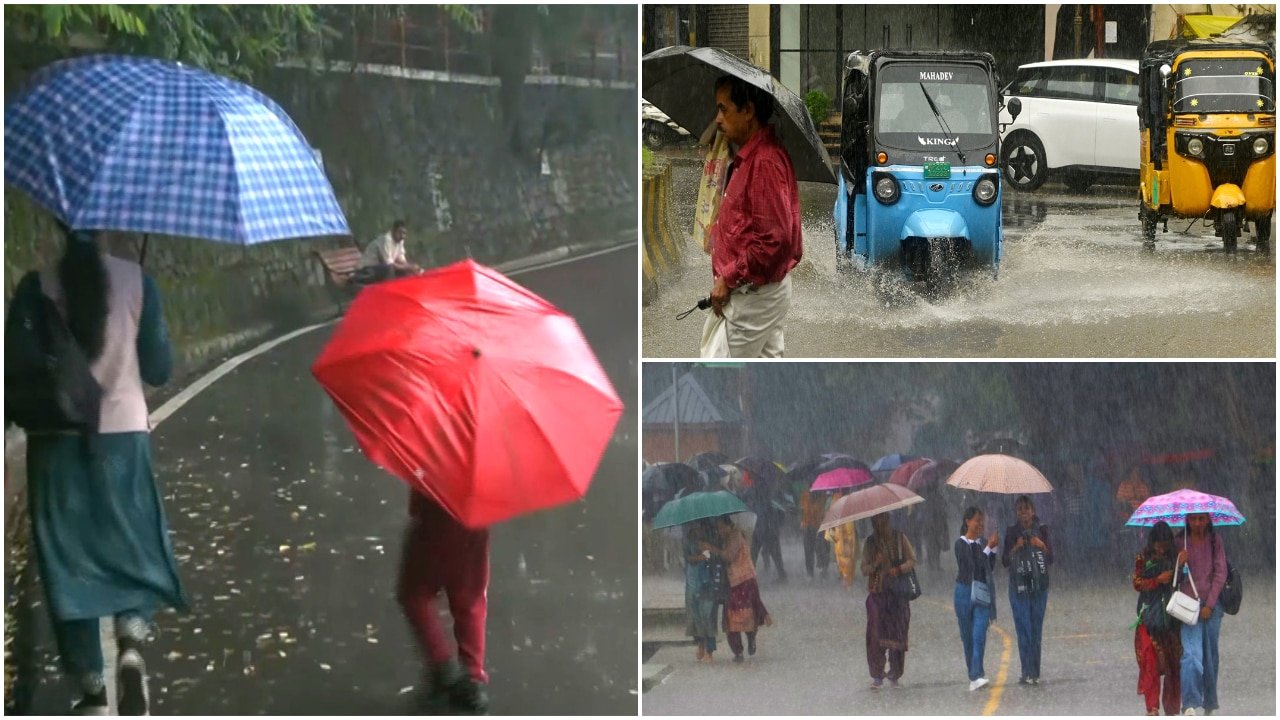
Widespread Monsoon Surge: IMD Issues Red Alerts as Heavy Rainfall Impacts Over 20 States
The India Meteorological Department (IMD) has issued a comprehensive weather bulletin that signals a period of heightened climatic instability across the Indian subcontinent. As of August 13, the meteorological agency has placed over 20 states under a high-alert status, warning of torrential rainfall and intense thunderstorm activity. This surge in monsoon intensity is expected to disrupt regional logistics, impact standing crops, and necessitate immediate vigilance from local authorities and the agricultural community.
The most critical warnings have been reserved for three specific geographic zones, where the IMD has issued a "Red Alert." These designations indicate a high probability of extremely heavy rainfall, which carries significant risks of flash flooding, waterlogging in low-lying agricultural plains, and potential damage to rural infrastructure. Meteorologists attribute this sudden intensification to the convergence of active monsoon troughs and moisture-laden winds from the surrounding seas, creating a volatile atmospheric environment that is expected to persist over the coming days.
Atmospheric Dynamics and Regional Impact
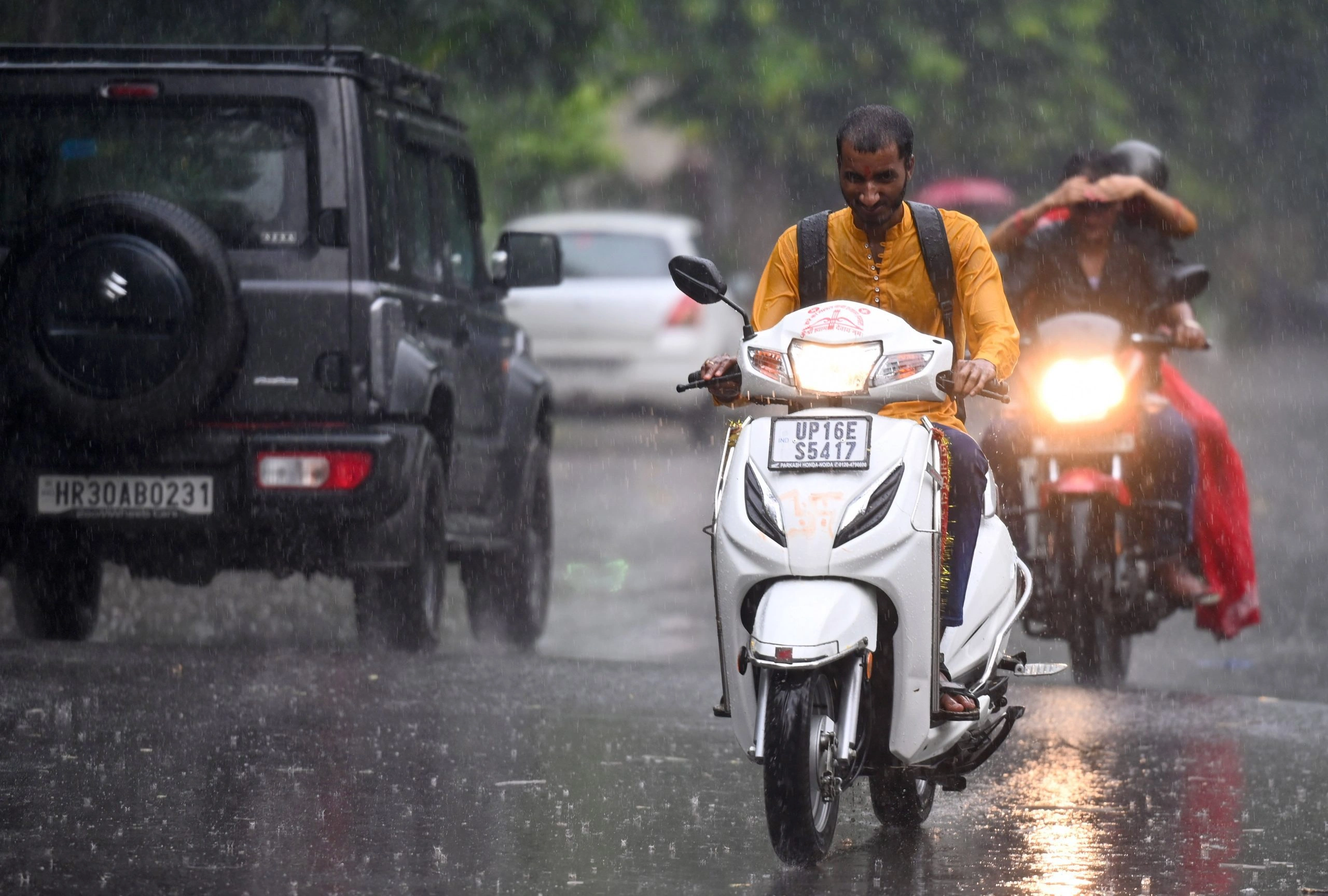
The current weather pattern is characterized by a deep low-pressure system that is driving significant precipitation across a broad corridor of the country. Beyond the regions under the red alert, states including Uttar Pradesh are experiencing widespread rainfall. The consistent nature of these showers is expected to cause a significant rise in water levels in minor rivers and seasonal streams, which often serve as the primary irrigation sources for local farming communities.
Meteorological experts emphasize that the intensity of these rains is not merely a quantitative increase in millimeters but a qualitative change in the nature of the precipitation. High-velocity winds often accompany these systems, creating a risk of lodging for cereal crops that are currently in a vulnerable growth stage. Furthermore, the saturation of topsoil across these 20 states limits the land's ability to absorb further rainfall, increasing the likelihood of surface runoff and soil erosion in sloped or hilly agricultural tracts.
Preparedness and Mitigation Strategies
In the face of these severe meteorological projections, the focus has shifted toward disaster mitigation and the protection of rural assets. State disaster management authorities have been directed to remain in a state of high readiness, particularly in regions where the red alert has been enforced. Communication channels are being prioritized to ensure that weather updates reach even the most remote farming clusters, allowing for the timely movement of livestock and the securing of harvested produce that may be in transit.
Agronomists suggest that the primary concern during such prolonged wet spells is the management of plant health, specifically the prevention of fungal pathogens that thrive in high-humidity, water-logged conditions. As the monsoon remains active, the variability of the weather underscores the need for robust drainage infrastructure and the maintenance of field channels to prevent prolonged stagnation of water around root zones, which can lead to hypoxia and nutrient leaching.
What This Means for Farmers
For the farming community, these heavy rainfall warnings serve as a critical call for proactive field management. The following impacts and actionable steps should be considered to mitigate potential losses during this period of extreme weather:
- Prioritize Field Drainage: Ensure that all drainage channels are clear of debris. Stagnant water in fields can lead to root rot and nutrient deficiency, especially in sensitive crops. If waterlogging occurs, immediate efforts to drain the area are vital to crop survival.
- Monitor for Pest and Disease Outbreaks: High humidity and moisture provide an ideal breeding ground for various fungal and bacterial diseases. Farmers should scout their fields regularly for early signs of disease and be prepared to implement protective measures once conditions allow for field access.
- Secure Livestock and Fodder: Move livestock to higher, sheltered ground. Ensure that stored fodder is kept in dry, elevated areas to prevent spoilage and the development of mycotoxins, which can be harmful to animal health.
- Postpone Fertilizer Application: Refrain from applying nitrogenous fertilizers during intense rainfall events. The high volume of water can lead to significant nutrient leaching, rendering the application ineffective and contributing to environmental runoff. Wait for a clear break in the weather to resume standard fertilization schedules.
- Stay Informed: Continue to monitor district-level weather updates provided by local agricultural extensions or the IMD. Weather forecasts can change rapidly during the monsoon, and staying ahead of the data is the most effective way to protect agricultural investments.