Understanding the Recent Rise in H1N1 Cases Across India
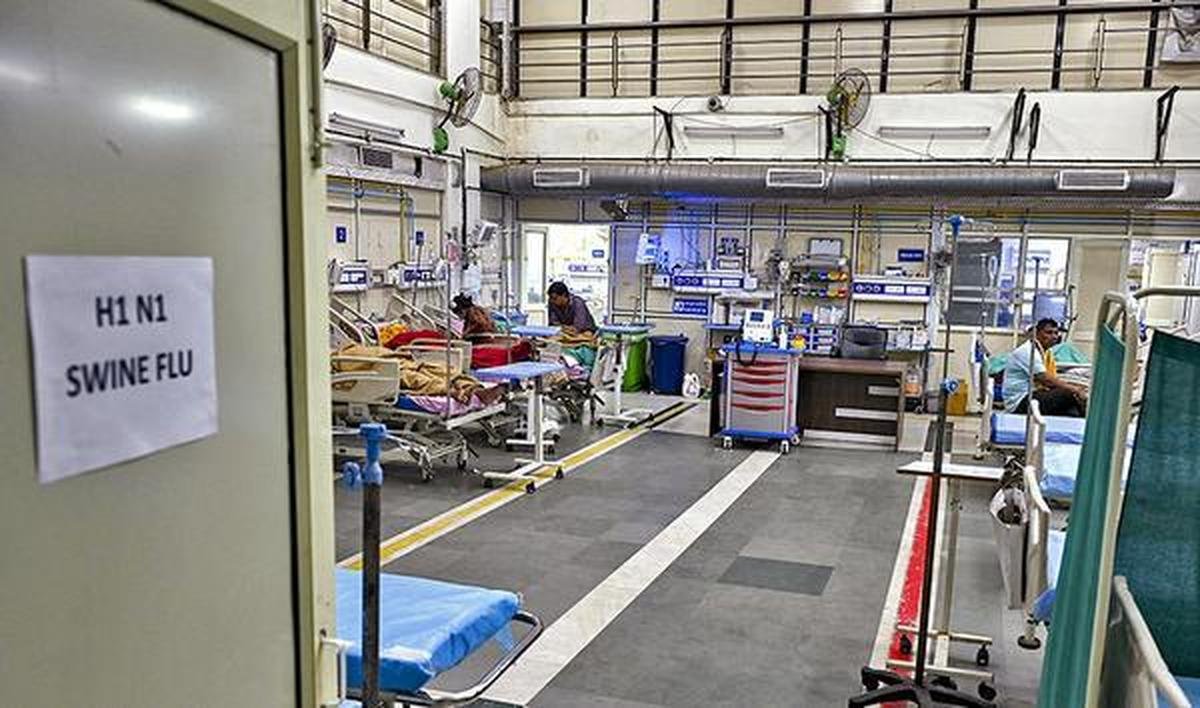
Recent reports indicate a rise in H1N1 influenza cases across various regions in India. As concerns regarding public health grow, the Indian Council of Medical Research (ICMR) has stepped forward to provide clarity on the situation, emphasizing that the current increase in infections is part of a seasonal surge rather than the emergence of a new or mutated strain of the virus.
For the general public, understanding the nature of this seasonal activity is essential for maintaining health and taking appropriate precautionary measures. According to the information provided by the ICMR, while the uptick in cases warrants attention and vigilance, it remains consistent with typical seasonal patterns of the virus.
ICMR Clarification on Viral Strains
A primary concern during any rise in infectious disease cases is the possibility of viral evolution. The ICMR has addressed this by explicitly stating that the current rise in H1N1 cases is not attributed to a new strain. This distinction is significant, as it suggests that the virus currently circulating is the same version that public health systems are already familiar with and equipped to manage.
By confirming that there is no new strain, the ICMR aims to manage public anxiety and ensure that the focus remains on standard health management practices rather than alarmism.
Importance of Vigilance and Preventive Measures
While the surge is seasonal and not caused by a novel strain, health authorities emphasize that vigilance remains necessary. Seasonal influenza can still pose significant risks, particularly to specific segments of the population. The ICMR has issued a clear directive regarding the importance of preventative action.
Recommended Focus for Vulnerable Populations
The health advisory highlights the importance of vaccination, specifically targeting vulnerable populations. Vaccination is considered a primary tool in reducing the severity of illness and preventing complications associated with H1N1. Key points regarding the current health guidance include:
- Increased Vigilance: Health authorities advise the public to remain alert to symptoms of influenza-like illnesses.
- Vaccination Priority: Individuals who are at a higher risk of health complications are strongly encouraged to seek vaccination.
- Seasonal Management: Because the rise is seasonal, standard influenza protocols remain effective for treatment and containment.
What is H1N1?
H1N1, often referred to as a type of influenza A virus, is a respiratory disease that periodically circulates among the human population. Because it is a seasonal virus, its prevalence often fluctuates depending on environmental conditions and time of year. Recognizing the symptoms—such as fever, cough, and body aches—early is a cornerstone of the ICMR approach to managing seasonal outbreaks.
By remaining informed through official channels like the ICMR, citizens can better navigate the current seasonal increase. The focus remains on proactive health maintenance, timely medical consultation for those exhibiting symptoms, and ensuring that those most susceptible to the virus receive the necessary vaccinations to protect their well-being throughout the duration of this seasonal surge.