Anomalous Well Activity in Morbi Sparks Digital Debate
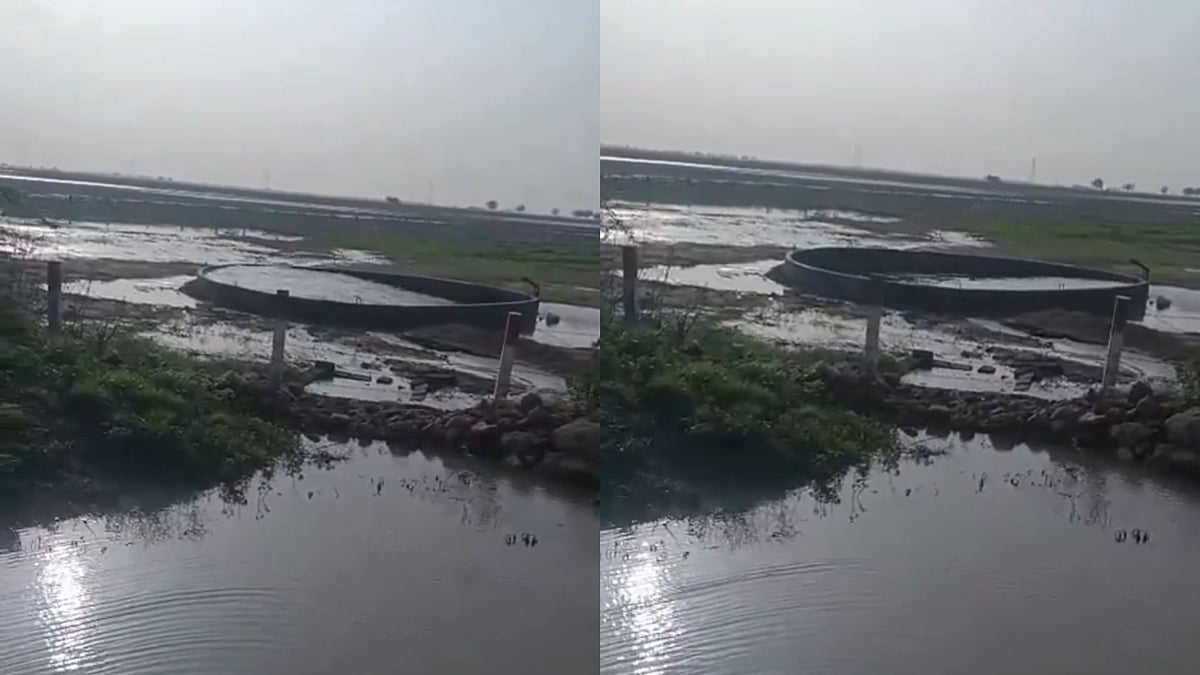
A peculiar hydrogeological phenomenon in the Morbi district of Gujarat has captured national attention, turning a local farm well into a viral sensation. Amateur footage circulating across social media platforms shows the water surface of a single well undulating in rhythmic, wave-like patterns, despite the absence of wind or surface disturbance. The footage, which has drawn millions of views, has sparked a firestorm of speculation, ranging from lighthearted theories about the supernatural to earnest debates regarding regional seismic stability.
While the visual evidence appears striking—especially when contrasted with neighboring wells that remain perfectly still—agricultural experts and geologists are urging a more grounded approach to the mystery. The viral nature of the videos has invited a spectrum of commentary, but within the scientific community, the focus remains firmly on the complex interplay of monsoon-driven groundwater dynamics and the unique subterranean architecture of the Morbi region.
The Science Behind the Ripples: Hydrogeology and Trapped Air
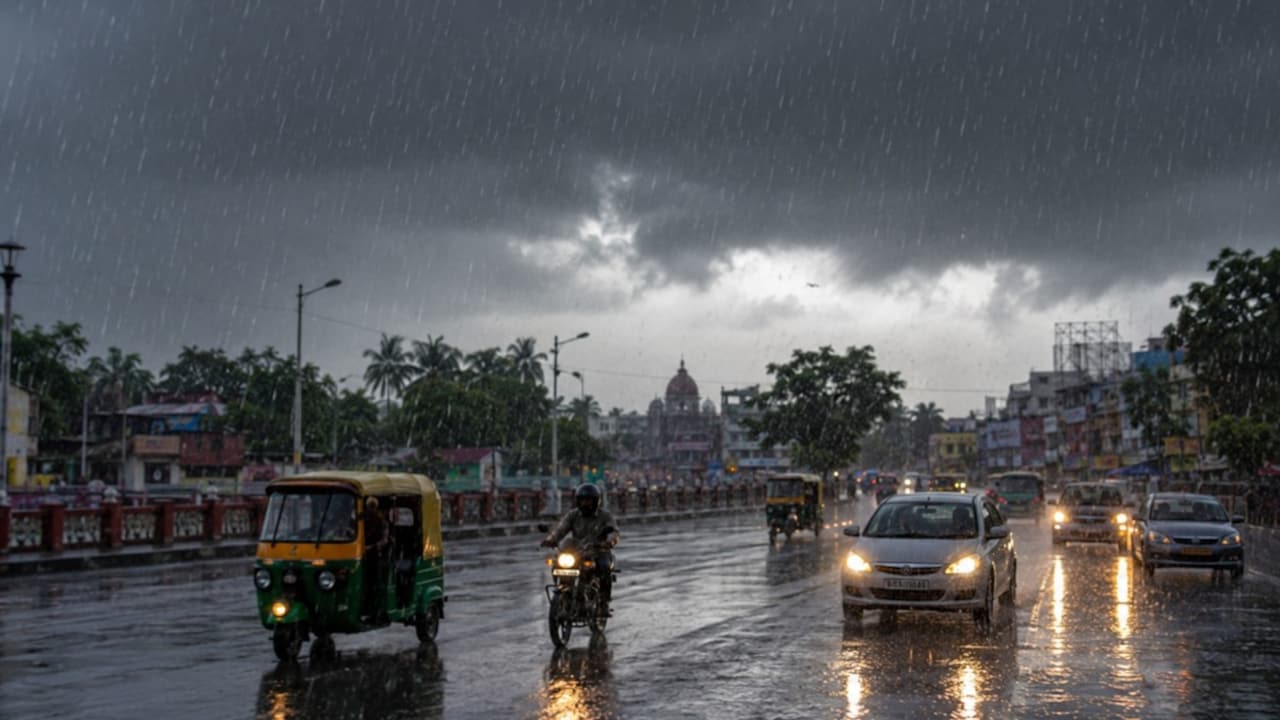
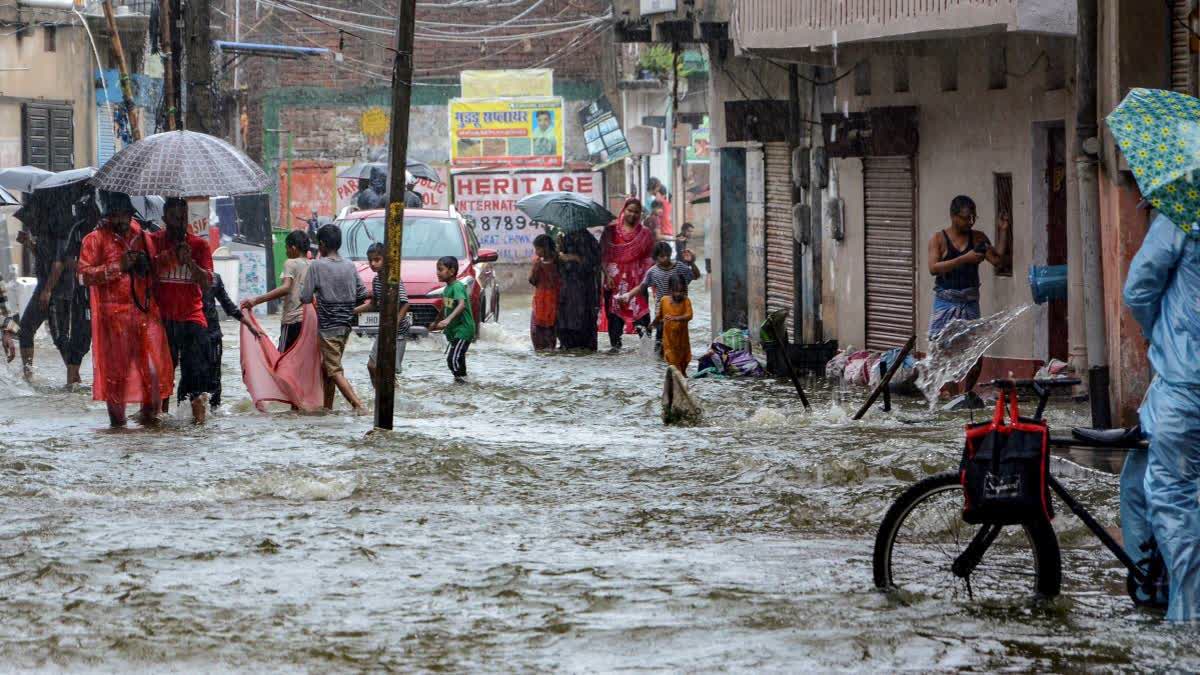
To understand why a single well might exhibit such behavior while surrounding infrastructure remains unaffected, one must look at the specific hydrogeological conditions triggered by heavy monsoon precipitation. The Morbi district, characterized by its distinct geological strata, often features aquifers that are highly sensitive to sudden recharge events. When intense rainfall saturates the upper soil layers, it forces massive volumes of water into the subsurface, often at a rate that displaces existing air pockets within the rock fissures.
The most plausible explanation for the "oscillating" water is the escape of trapped air. As water infiltrates the aquifer, it can compress air trapped in underground cavities or narrow conduits. When this air is forced toward a point of least resistance—in this case, the well shaft—it creates a pressurized release. If the well bore acts as a chimney for this escaping gas, the result at the surface is a rhythmic bubbling or rippling effect that mimics a disturbance. Because groundwater flow is governed by complex, often localized fracture networks, it is entirely possible for one well to be connected to a specific recharge pathway while a well only a few meters away remains isolated from that particular pressure vent.
Furthermore, experts suggest that seismic activity, while often cited in online forums, is an unlikely culprit in the absence of regional tremors. Instead, the phenomenon is likely a temporary, localized adjustment of the water table. As the aquifer reaches a new equilibrium following the monsoon deluge, these pressure differentials typically stabilize, explaining why such events are often short-lived.
Addressing Misconceptions in the Digital Age
The rapid spread of "haunted" or "supernatural" narratives online highlights a growing gap between traditional agricultural knowledge and the sensationalist nature of modern social media. By framing a routine, albeit rare, geological adjustment as a mystery, the viral discourse risks obscuring the practical lessons that can be drawn from such events. In the context of modern farming, understanding the water table's response to extreme weather is not just a curiosity; it is a critical component of water management.
Agricultural extension services emphasize that farmers should view these events as a diagnostic tool rather than a cause for alarm. Monitoring how wells respond to heavy rainfall provides invaluable data regarding the health of local aquifers and the efficiency of groundwater recharge. When misinformation takes root, it can distract from necessary conversations about sustainable irrigation practices and the monitoring of water quality following heavy sediment movement caused by monsoon runoff.
What This Means for Farmers
For the farming community in Morbi and beyond, the viral well serves as a reminder of the volatility of groundwater systems. While the phenomenon itself is likely harmless, it offers several actionable takeaways:
- Assess Well Integrity: Sudden changes in water behavior, including bubbling or rapid fluctuations in levels, should prompt a check of the well’s structural integrity. Ensure that the casing and the surrounding apron are secure to prevent surface contaminants from entering the aquifer during high-pressure recharge events.
- Monitor Groundwater Quality: Heavy monsoon recharge often brings sediment and surface runoff into aquifers. After periods of unusual well activity, it is advisable to test water for turbidity and potential bacterial contamination before using it for livestock or irrigation.
- Consult Local Experts: Rather than relying on social media speculation, farmers should contact district agricultural departments or geological survey offices if they observe prolonged or unusual shifts in their water sources. These agencies can provide data on regional water tables and help determine if the activity is a natural recharge process or an indicator of a deeper issue.
- Focus on Long-term Resilience: Use these instances as a trigger to evaluate local water conservation efforts. If an aquifer is showing high sensitivity to rainfall, it may indicate a need for improved rainwater harvesting and soil conservation practices to manage the rate of infiltration more effectively.
Ultimately, the Morbi "mystery" is less about the paranormal and more about the dynamic, living nature of the earth beneath our feet. By maintaining a scientific perspective, farmers can better navigate the challenges posed by extreme weather and ensure the long-term sustainability of their water resources.