Gujarat Reports Decline in Mosquito-Borne Diseases Following Health Campaign
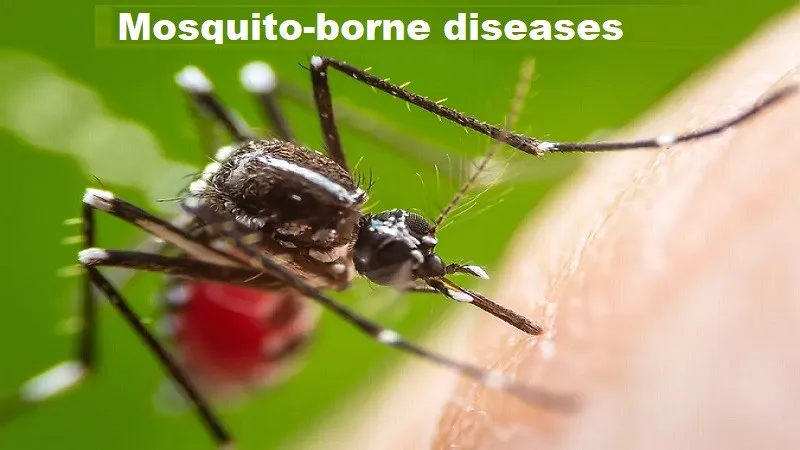
A recent public health initiative in Gujarat has resulted in a notable decrease in the prevalence of mosquito-borne illnesses, according to a report by The CSR Journal. The state government’s coordinated efforts have focused on curbing the spread of malaria, dengue, and chikungunya, marking a significant development in regional public health management.
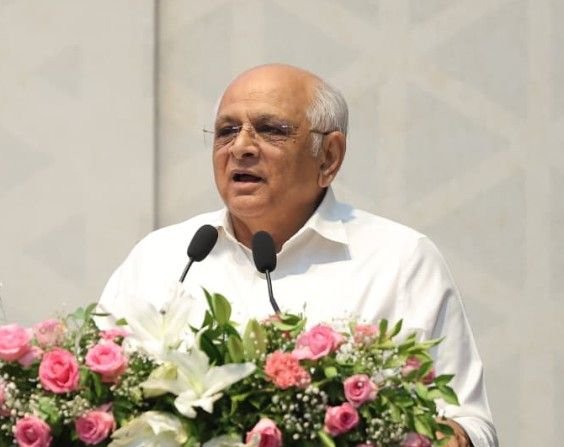
The campaign, which prioritizes a multi-faceted approach to disease control, operates under the leadership of Chief Minister Bhupendra Patel. By emphasizing early intervention and systematic prevention, the government aims to reduce the public health burden caused by these vector-borne diseases.
Key Pillars of the State Health Strategy
According to the report, the success of this public health drive is attributed to a strategic focus on three primary areas: prevention, timely diagnosis, and effective treatment. The Government of Gujarat has restructured its approach to ensure that medical resources are deployed efficiently to reach affected populations.
The core components of the state's initiative include:
- Surveillance: Strengthening the monitoring of disease outbreaks to identify hotspots and trends.
- Testing: Expanding diagnostic capabilities to ensure patients are identified and treated rapidly.
- Treatment: Enhancing clinical processes to provide better care for those suffering from mosquito-borne infections.
- Mosquito Control: Implementing targeted measures to reduce the population of disease-carrying insects.
Focus on Disease Prevention and Management
The state government’s emphasis on disease prevention is central to the reported decline in cases. By integrating surveillance with proactive mosquito control measures, authorities are working to disrupt the transmission cycles of diseases like dengue and malaria before they reach outbreak levels.
Furthermore, the prioritization of timely diagnosis is identified as a critical factor. When patients are tested and diagnosed early, the likelihood of severe complications is significantly reduced, and the spread of the infection to others can be better contained. The government’s commitment to effective treatment protocols ensures that once a case is identified, medical intervention is prompt and aligned with established health standards.
Impact of Government Leadership
The administration under Chief Minister Bhupendra Patel has been instrumental in organizing these administrative and medical efforts. By elevating the priority of vector-borne disease management, the government has been able to coordinate across various departments to implement these mosquito control and health surveillance measures more effectively.
While the report highlights a "considerable decline" in the incidence of these diseases, it underscores the importance of ongoing vigilance. The state’s strategy relies heavily on the continued execution of these testing and surveillance processes to maintain the downward trend in morbidity rates across Gujarat.
As the state continues to refine its public health infrastructure, the current results serve as a baseline for future efforts in managing seasonal health risks associated with mosquito activity. The integrated approach of combining clinical care with environmental control remains the cornerstone of the state's policy in protecting public health.