Gujarat Government Intensifies Flood Monitoring as Monsoon Rainfall Intensifies
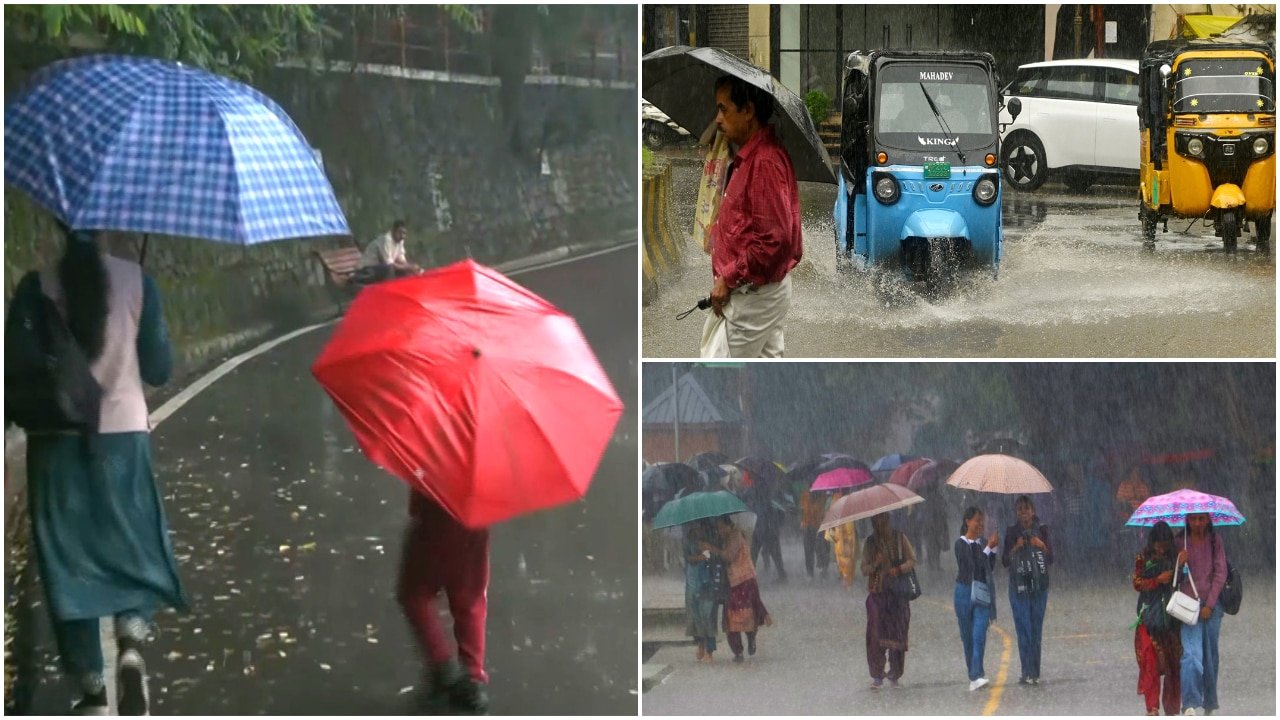
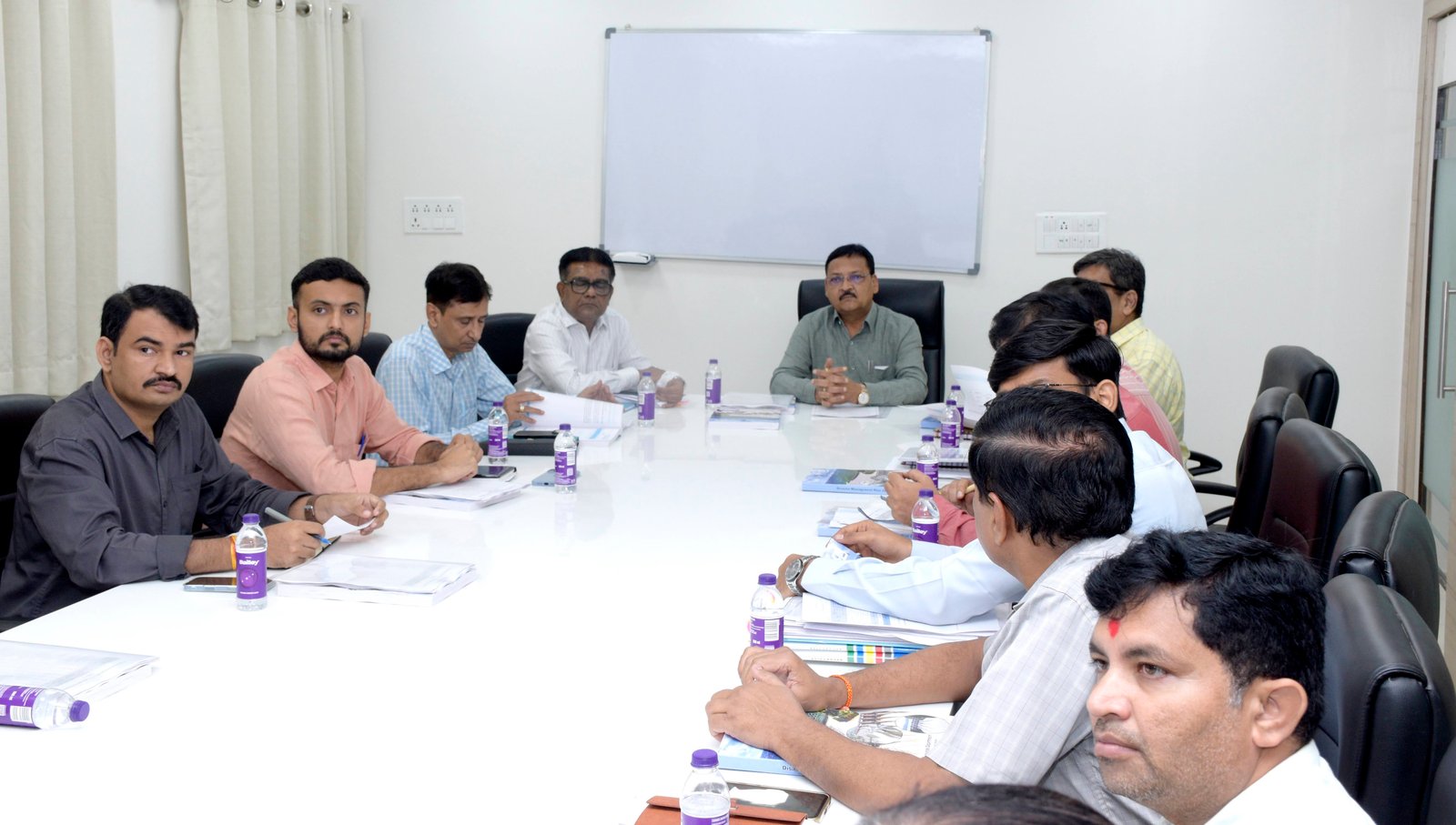
As the monsoon season reaches a critical juncture, the Gujarat state government has ramped up its flood mitigation and reservoir management protocols. With persistent heavy rainfall impacting south and central regions of the state, Water Resources and Water Supply Minister Ishwarsinh Patel conducted a high-level review of the state’s flood preparedness. The assessment, held at the State Water Data Centre in Gandhinagar, focused on ensuring that the state’s infrastructure and communication networks remain resilient against the dual threats of rising reservoir levels and potential catchment area flooding.
During the review meeting, Minister Patel emphasized that the primary objective of the current administration is to minimize the risk to both life and property through proactive data management. By leveraging the state’s sophisticated monitoring systems, the government aims to stay ahead of the curve, ensuring that local administrative bodies are equipped with the information necessary to make timely decisions regarding evacuations and emergency response.
Advanced Monitoring and Communication Infrastructure
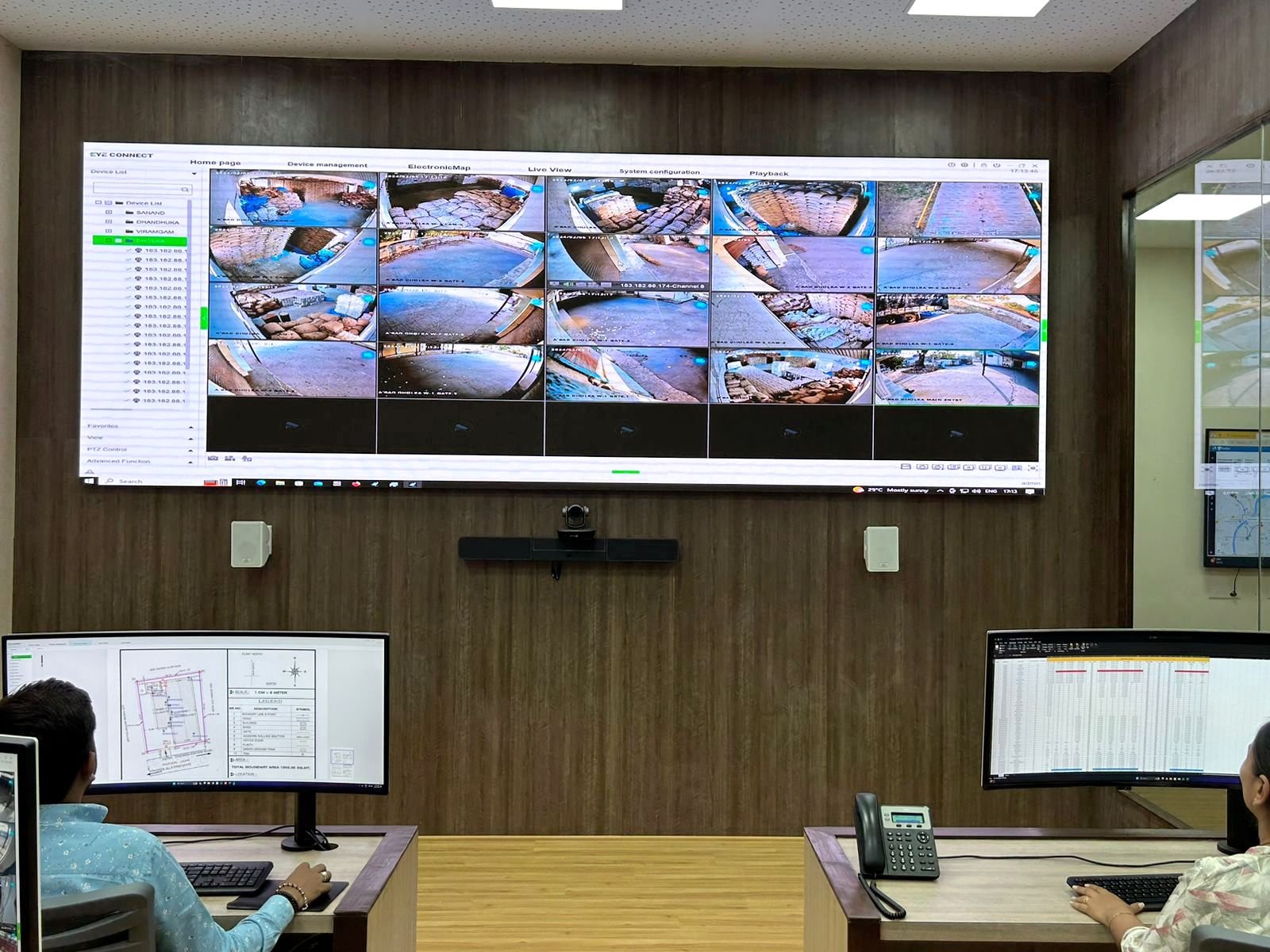
The state’s ability to manage water resources during the monsoon relies heavily on a robust technological backbone. The Flood Control Cell, which operates annually from June 1 to October 31, serves as the nerve center for these activities. According to departmental briefings, the state has invested in a comprehensive communication matrix to ensure that information flow remains uninterrupted, even in the event of severe weather-related power or telecommunications outages.
This communication network currently includes 12 dedicated hotline connections, 14 satellite phones, and over 400 wireless communication sets strategically deployed across the state. These tools are designed to facilitate real-time data exchange between district-level authorities and the central command in Gandhinagar. Furthermore, the Reservoir Data Management System provides a centralized dashboard for tracking rainfall patterns and inflow rates across Gujarat’s major dams, including critical infrastructure like the Ukai Dam. By integrating this data with the ‘Disaster Management Plan-2026,’ officials can simulate various flood scenarios and adjust discharge rates from reservoirs to balance the need for water storage against the risk of downstream flooding.
Strategic Coordination and Inter-Departmental Synergy
A significant portion of the review was dedicated to the efficacy of the alert dissemination process. Minister Patel highlighted that technical data is only as valuable as the speed at which it reaches those on the ground. He has issued strict directives to ensure that "High Alert," "Alert," and "Warning" notifications are not siloed within the Water Resources Department. Instead, these updates must be relayed immediately to district collectors and local administrative units.
This multi-tiered communication strategy is designed to empower local officials to execute community-level disaster response plans before a crisis reaches its peak. By maintaining open lines of communication with zone-level chief engineers and field staff, the ministry ensures that reservoir management remains a collaborative effort, accounting for both upstream rainfall patterns and local catchment saturation. The ongoing monitoring of inflow and outflow rates allows the government to make data-driven decisions that protect agricultural assets while optimizing water availability for the post-monsoon period.
What This Means for Farmers
For the agricultural community in Gujarat, these developments carry significant practical implications regarding both risk management and long-term water security. Farmers operating in low-lying areas or in proximity to riverbanks should prioritize the following actions during this monsoon period:
- Stay Informed via Official Channels: Farmers are urged to monitor local district administrative updates and listen for official warning notifications. Relying on verified government alerts is crucial for making informed decisions about moving livestock or protecting equipment from rising waters.
- Acknowledge Reservoir Dynamics: Understanding that heavy rainfall in upstream catchment areas may lead to sudden increases in reservoir discharge is vital. If your farmland is situated downstream of major dams, prepare for potential fluctuations in water levels in nearby irrigation canals and riverbeds.
- Crop Protection and Drainage: Proactive maintenance of field drainage systems is essential to prevent waterlogging, which can severely impact crop health during heavy rainfall events. Ensure that drainage channels are free of debris to allow for the rapid runoff of excess water.
- Economic Resilience: While the heavy rainfall is essential for groundwater recharge and reservoir storage—which will be critical for the upcoming Rabi season—the temporary risk of flooding requires a cautious approach. By remaining vigilant and heeding the "Alert" notifications issued by local authorities, farmers can protect their investments and ensure a smoother transition into the post-monsoon planting cycle.