Gujarat Government Allocates Rs 3,850 Crore to Boost Urban Infrastructure
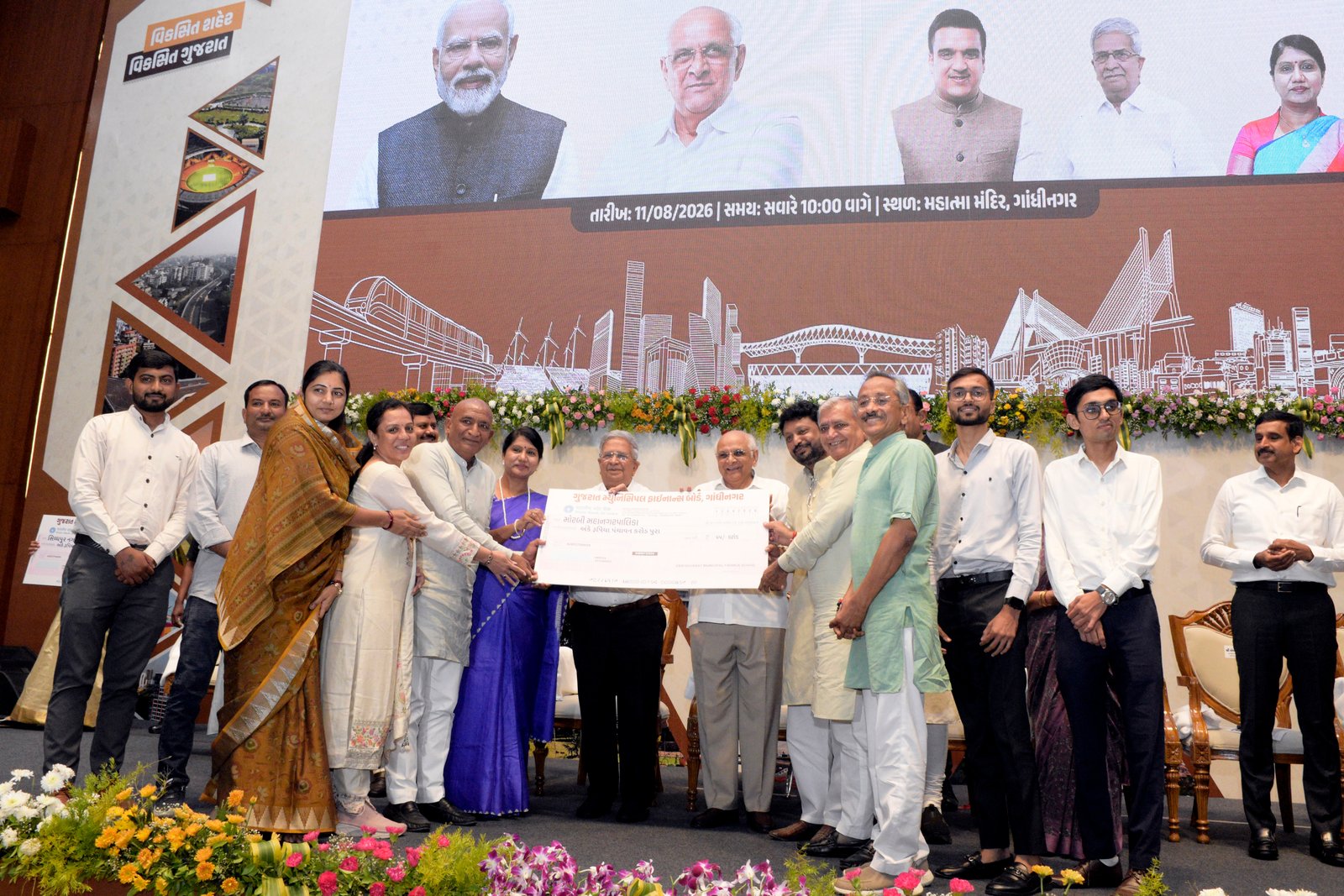
In a significant move aimed at accelerating the pace of infrastructure modernization across the state, Gujarat Chief Minister Bhupendra Patel recently distributed development grants totaling Rs 3,850 crore to municipal corporations and municipalities. The funding, allocated under the 'Swarnim Jayanti Chief Minister Urban Development Scheme,' is designed to strengthen public amenities, enhance service delivery, and foster sustainable growth in the state’s rapidly expanding urban centers.
The distribution ceremony, held in Gandhinagar, underscored the state’s commitment to urban governance. A total of 17 municipal corporations were allocated Rs 2,992 crore, while 152 municipalities received a combined total of Rs 858 crore. This financial infusion is expected to catalyze a variety of public works, ranging from sanitation and waste management to the development of essential civic utilities that support both residents and the surrounding agricultural periphery.
Strategic Allocation for Balanced Regional Growth
The allocation strategy reflects a tiered approach to development, ensuring that both major metropolitan hubs and smaller municipal bodies receive support tailored to their specific needs. Ahmedabad Municipal Corporation received the largest share at Rs 870 crore, followed closely by Surat with Rs 770 crore. Other major corporations, including Vadodara, Rajkot, Bhavnagar, and Jamnagar, also received significant funding packages to address their specific infrastructure challenges.
Beyond the major cities, the state government has prioritized the needs of the 152 municipalities, categorized by class to ensure equitable distribution. Specifically, 41 'Class A' municipalities received Rs 307.50 crore, 34 'Class B' municipalities were granted Rs 221 crore, while Rs 270 crore and Rs 59.50 crore were distributed to 60 'Class C' and 17 'Class D' municipalities, respectively. This granular approach ensures that even smaller urban pockets, which often serve as vital trade and processing hubs for the agricultural economy, receive the necessary capital to improve their logistical and public service capabilities.
Integrating Sustainability and Citizen-Centric Governance
During the event, Chief Minister Bhupendra Patel emphasized that these funds should be utilized with a focus on transparency, accountability, and the integration of modern technology. The government’s vision extends beyond mere construction; it aims to build "citizen-centric" systems that improve the overall ease of living for residents. Urban Development and Finance Minister Kanu Desai further highlighted the importance of climate-resilient infrastructure, urging local officials to plan for environmental sustainability and continue the momentum of the 'Swachhata Abhiyan' (Cleanliness Drive).
The initiative is part of a long-term strategy for urban development that dates back to 2005. By focusing on solid waste management, local craftsmanship support, and the integration of heritage-linked development, the state aims to align its urban planning with the broader 'Atmanirbhar Bharat' (Self-Reliant India) vision. This holistic approach is intended to create urban spaces that are not only cleaner and greener but also better equipped to support the economic activities that sustain the region.
What This Means for Farmers
While this allocation is primarily focused on urban development, the ripple effects for the agricultural sector are significant. For farmers, the development of urban centers serves several critical functions:
- Improved Market Access: Enhanced infrastructure in municipalities—such as better road connectivity and improved market yards—directly reduces post-harvest losses and lowers transport costs for perishable commodities.
- Better Processing Facilities: As municipalities improve their utilities and zoning, they become more attractive for food processing units and agri-tech startups. This creates local demand for agricultural produce, allowing farmers to move up the value chain.
- Integrated Waste Management: Improved municipal waste management systems reduce the pollution of water bodies used for irrigation, helping to maintain soil and water quality in the peri-urban areas surrounding these cities.
- Economic Diversification: A robust urban economy provides off-farm employment opportunities for the rural workforce, which is essential for maintaining household income stability during periods of agricultural volatility.
Farmers and agricultural stakeholders should monitor how these funds are deployed in their respective districts. Engaging with local municipal bodies to ensure that infrastructure projects—such as improved rural-urban connectivity links and cold storage facilities—are prioritized can help bridge the gap between farm-gate production and urban consumption markets.