Torrential Rains Trigger Widespread School Closures Across Gujarat
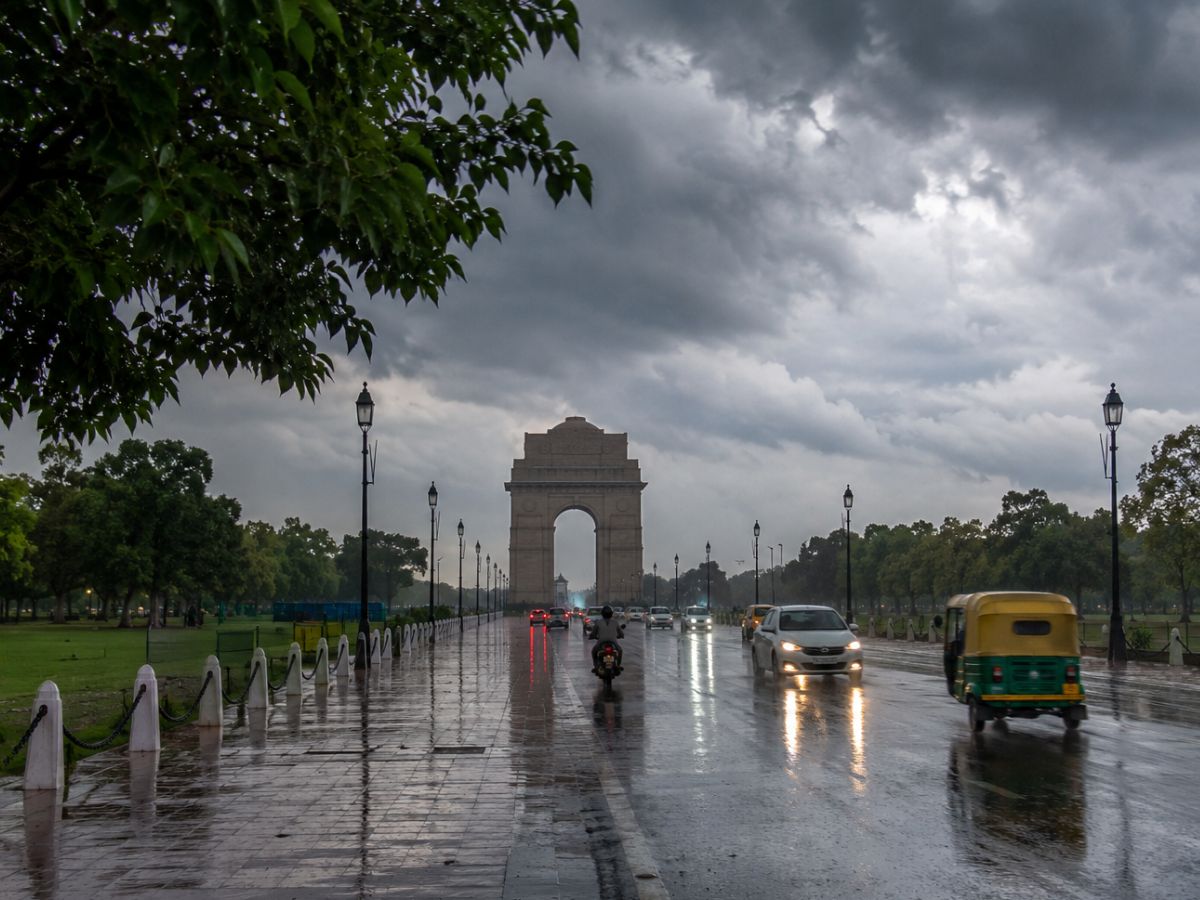
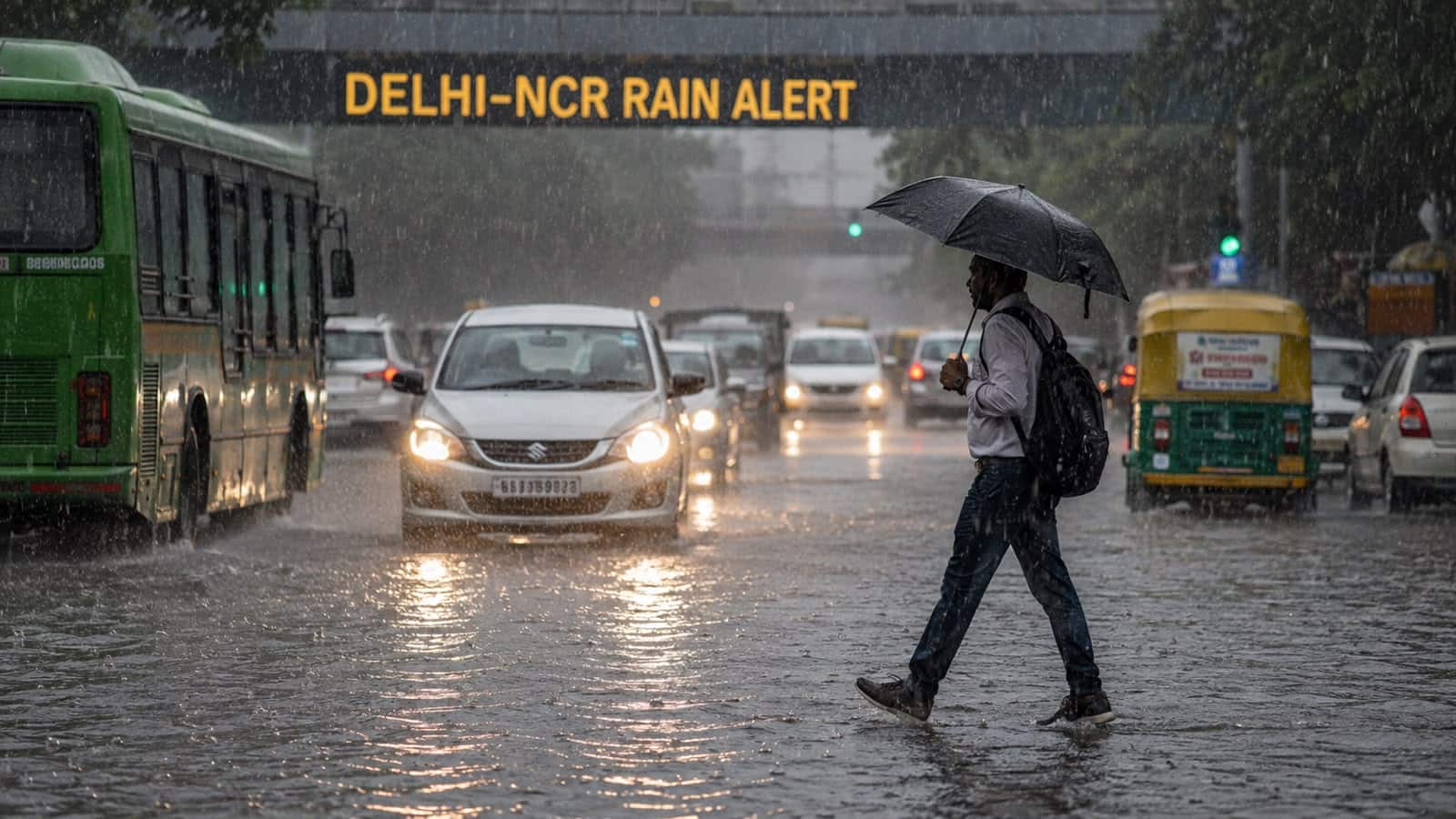
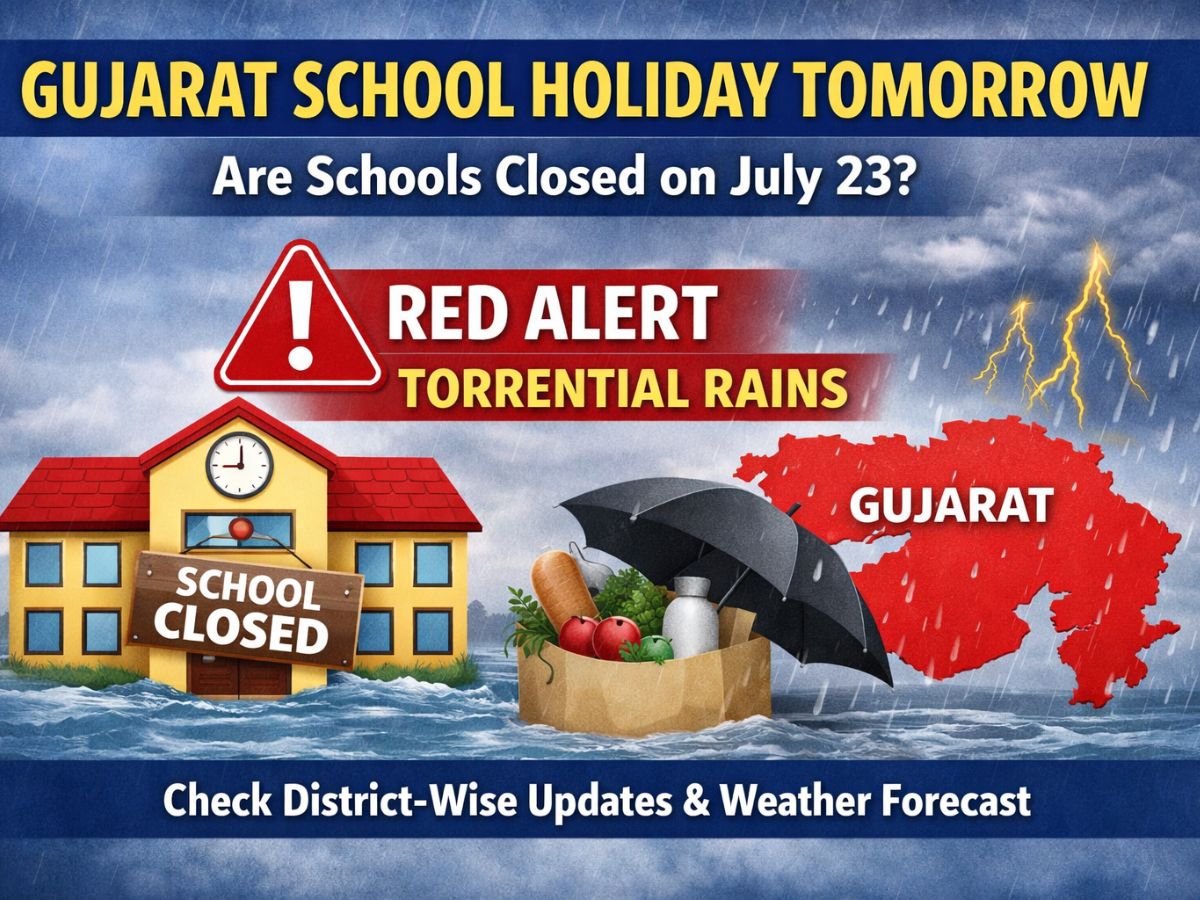
The state of Gujarat is currently bracing for a period of extreme weather as the India Meteorological Department (IMD) has issued a red alert for several districts, signaling the arrival of torrential rains. As precipitation levels intensify, local administrations across the state have initiated emergency protocols, including the mandatory closure of schools and colleges for July 23. The decision comes as a precautionary measure to ensure the safety of students and staff amidst the threat of waterlogging, flash flooding, and compromised transport infrastructure.
The weather system, currently intensifying over the region, is expected to bring heavy to very heavy rainfall, with isolated pockets likely to experience extreme downpours. District collectors and local municipal commissioners have been empowered to assess the situation on a micro-level, leading to a patchwork of closure announcements that prioritize public safety over academic continuity. Residents are being urged to monitor official channels closely, as the rapidly shifting weather patterns may necessitate further extensions to these closures or the expansion of restricted zones throughout the week.
Understanding the Meteorological Impact and Regional Vulnerabilities
The current weather disturbance is characterized by an active monsoon trough that has significantly increased moisture influx from the Arabian Sea. In agricultural and low-lying coastal districts, the primary concern is the rapid saturation of soil and the potential for overflow in local water bodies. The IMD’s red alert serves as a warning that the intensity of the rain could lead to significant infrastructure disruptions, including the inundation of arterial roads and rural connectivity networks.
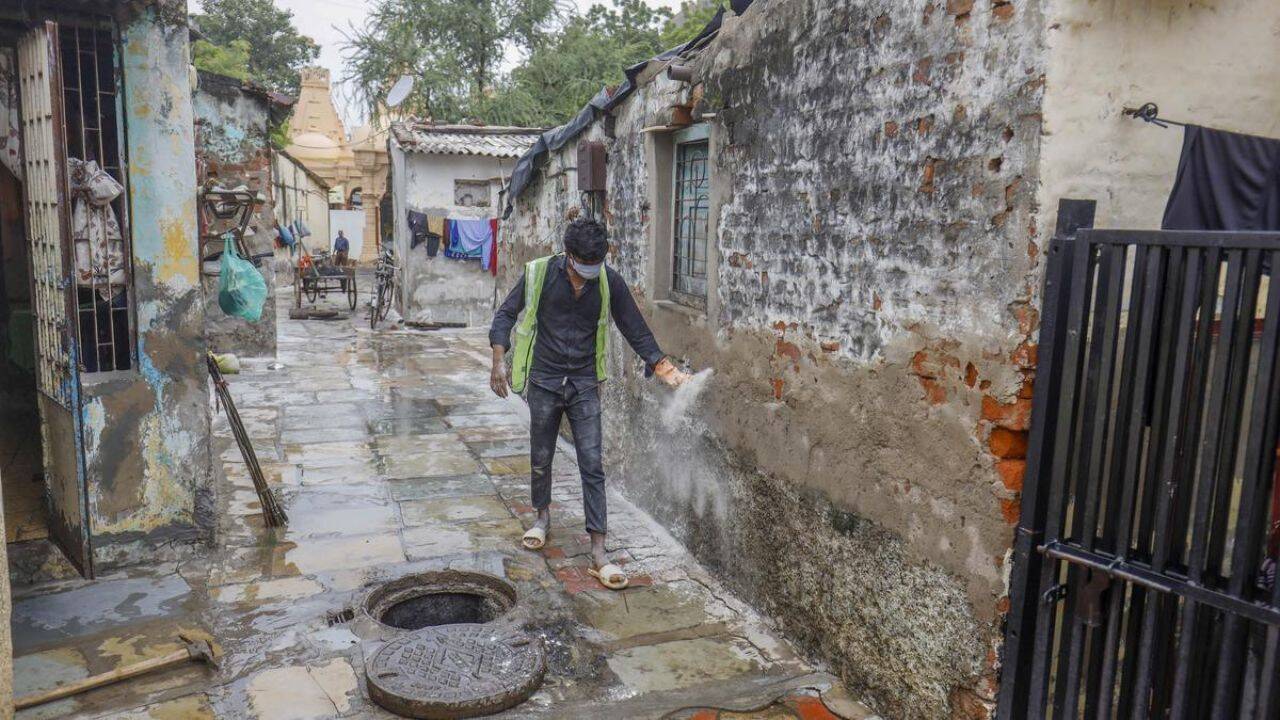
For regions already reeling from intermittent rain, this latest spell poses a significant risk to logistics. Beyond the immediate impact on educational institutions, the weather pattern is causing localized disruption to daily commerce and transport. Authorities have emphasized that the decision to close schools is not merely a response to the rain itself, but a proactive step to reduce traffic congestion and prevent students from being stranded in areas prone to sudden water accumulation. Disaster management teams have been placed on high alert, with rescue equipment and emergency response units stationed in high-risk zones to address potential emergencies swiftly.
What This Means for Farmers
For the agricultural community, these extreme weather alerts signal a critical period of risk management. While monsoon rain is essential for the kharif season, excessive and concentrated rainfall within a short window can lead to significant crop damage and field management challenges. Farmers are advised to take the following considerations into account:
- Field Drainage Management: Ensure that drainage channels are cleared of debris to prevent water stagnation. Excess water sitting in fields for extended periods can lead to root rot and nutrient leaching, particularly in sensitive pulse and vegetable crops.
- Livestock Safety: Move cattle and other livestock to higher ground or reinforced sheds. Torrential rains often increase the risk of waterborne diseases and foot rot; maintaining dry, clean conditions is paramount during these periods.
- Postponement of Field Activities: Avoid any application of fertilizers or pesticides during the height of the red alert period, as the heavy runoff will render these inputs ineffective and potentially contaminate local water sources.
- Infrastructure Monitoring: Inspect farm storage facilities and equipment shelters for leaks. With high winds often accompanying these heavy rain spells, securing loose equipment and checking the structural integrity of temporary sheds is essential to prevent costly damage.
- Market Logistics: Expect disruptions in the supply chain. Market yards may face closures or reduced operations due to flooded access roads. Farmers should plan for potential delays in transporting perishable goods to market and look for secure, dry storage alternatives on-site if transport is restricted.
While the immediate priority remains the safety of human life and the closure of educational institutions, the agricultural sector must remain vigilant. Farmers are encouraged to stay in contact with local agricultural extension offices and monitor real-time weather updates to make informed decisions regarding crop protection and resource management as the monsoon weather systems continue to evolve.