Heavy Rains Trigger Safety Measures and Emergency Response Across Gujarat
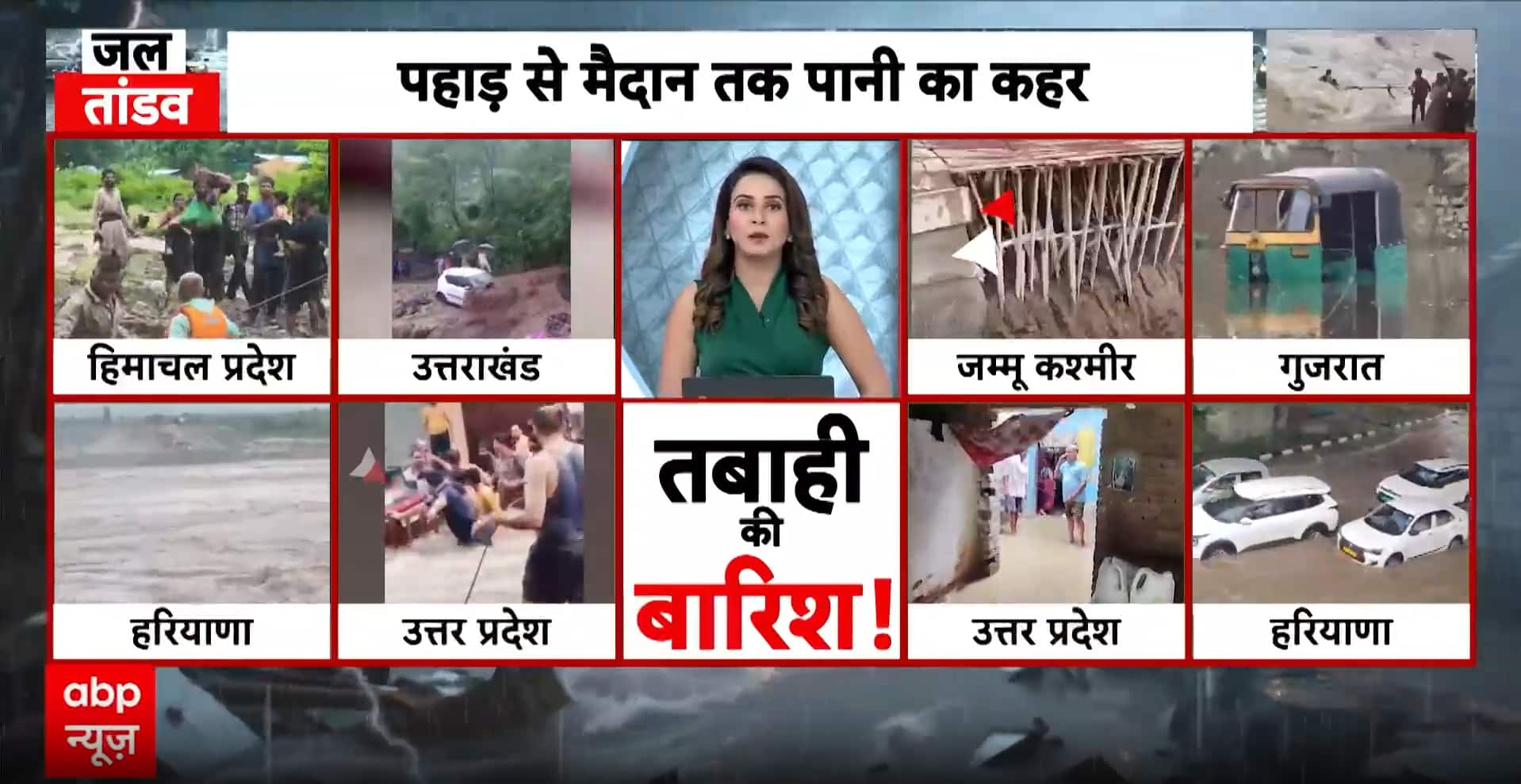
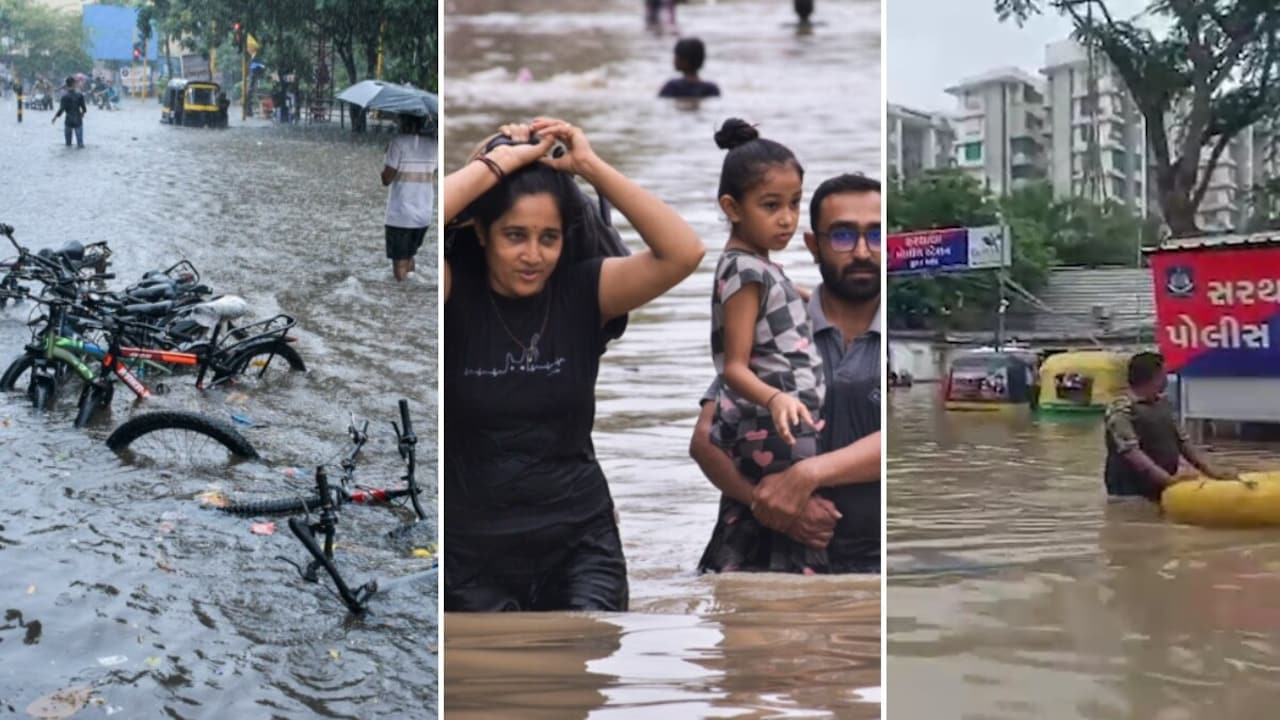
The state of Gujarat is currently grappling with a severe monsoon onslaught, characterized by relentless rainfall that has placed local authorities on high alert and forced significant disruptions to public life. As meteorological departments maintain red and orange weather warnings across several districts, the human cost of the weather system has become tragically apparent, while civil administration scrambles to prevent further loss of life through preemptive closures and evacuation protocols.
In Ahmedabad, municipal authorities have implemented strict public safety measures, announcing a total ban on entry to lakefront gardens and prominent recreational spaces until August 2. This decision, aimed at preventing accidents in waterlogged areas and mitigating risks associated with structural instability in public parks, underscores the severity of the ongoing precipitation. Meanwhile, the southern region of the state, particularly Navsari, has faced a more harrowing reality. Recent reports confirm that three individuals have lost their lives due to electrocution, a stark reminder of the electrical hazards presented by widespread urban flooding and saturated infrastructure.
Infrastructure Vulnerability and Public Safety Protocols
The tragic events in Navsari highlight a critical vulnerability in urban and peri-urban infrastructure during extreme weather events. When heavy rainfall leads to inundation, ground-level electrical fixtures, street lighting, and submerged power lines become lethal hazards. The administration’s move to close public lakefronts in Ahmedabad serves as a proactive measure to keep citizens away from areas where water levels are rising rapidly and where the risk of drowning or electrical discharge is significantly elevated.
Beyond the immediate human impact, the heavy rainfall has necessitated widespread rescue and relief operations. Disaster response teams have been deployed to low-lying areas to facilitate the evacuation of residents whose homes are threatened by rising water levels. In many districts, the combination of high-intensity downpours and poor drainage capacity has turned roads into conduits for floodwater, complicating the movement of emergency vehicles and agricultural transport. Authorities are urging the public to remain indoors and exercise extreme caution near power infrastructure, as the saturation of soil increases the risk of trees falling onto utility lines.
The Agricultural Outlook Amidst Continued Precipitation
For the agricultural sector, the current monsoon phase presents a complex landscape. While the rains are essential for replenishing reservoirs and supporting long-term water security, the intensity and duration of these specific weather events threaten standing crops. Excessive soil moisture levels can lead to root rot and nutrient leaching, particularly in low-lying fields that do not have adequate drainage systems. Farmers across the state are currently monitoring their fields for signs of waterlogging, which can be devastating if the soil remains saturated for extended periods.
Furthermore, the persistent cloud cover and high humidity levels are creating favorable conditions for the rapid proliferation of fungal diseases and pest infestations. Agronomists are advising producers to keep a close watch on crop health and to ensure that drainage channels are cleared to allow for the runoff of excess water. As the state remains under high-alert weather warnings, the agricultural community must balance the benefit of replenished irrigation sources against the immediate risks posed by severe flooding.
What This Means for Farmers
The current meteorological situation serves as a critical call to action for the farming community. First and foremost, safety must be prioritized; farmers are strongly advised to avoid working in fields during peak storm activity, particularly in areas where power lines may be compromised or where floodwaters are moving quickly.
From an operational standpoint, the economic consequences of this weather pattern are significant. Producers should take the following steps to protect their interests:
- Drainage Management: Ensure that all field drains and outlets are clear of debris to prevent pooling, which is the primary cause of crop loss during excessive rain events.
- Disease Monitoring: Increased moisture and humidity are precursors to fungal outbreaks. Farmers should be prepared to scout for early symptoms and, if conditions permit, apply preventative treatments once the weather stabilizes.
- Infrastructure Inspection: Before entering fields after the rain subsides, inspect fences, power connections, and irrigation equipment for damage. Electrocution risks persist even after water levels begin to recede if electrical systems remain damp or damaged.
- Documentation: In the event of crop loss, maintain thorough records and photographic evidence of field conditions. This documentation is essential for potential insurance claims or government relief programs that may be activated following the disaster.
While the monsoon is the lifeblood of Gujarat’s agricultural economy, the current severity requires a measured and cautious approach. Farmers are encouraged to stay updated with local district advisories and coordinate with local agricultural extension offices to manage the recovery process effectively once the red and orange alerts are downgraded.