Gujarat Officials Review Health Preparedness Amid Seasonal Flu and Monsoon Risks
Authorities in Gujarat have initiated a proactive assessment of the state's public health readiness as concerns regarding H1N1 and seasonal monsoon-related illnesses rise. A high-level review meeting was recently convened in Gandhinagar to evaluate the current situation and ensure that medical infrastructure is adequately prepared to handle a potential increase in patient numbers.
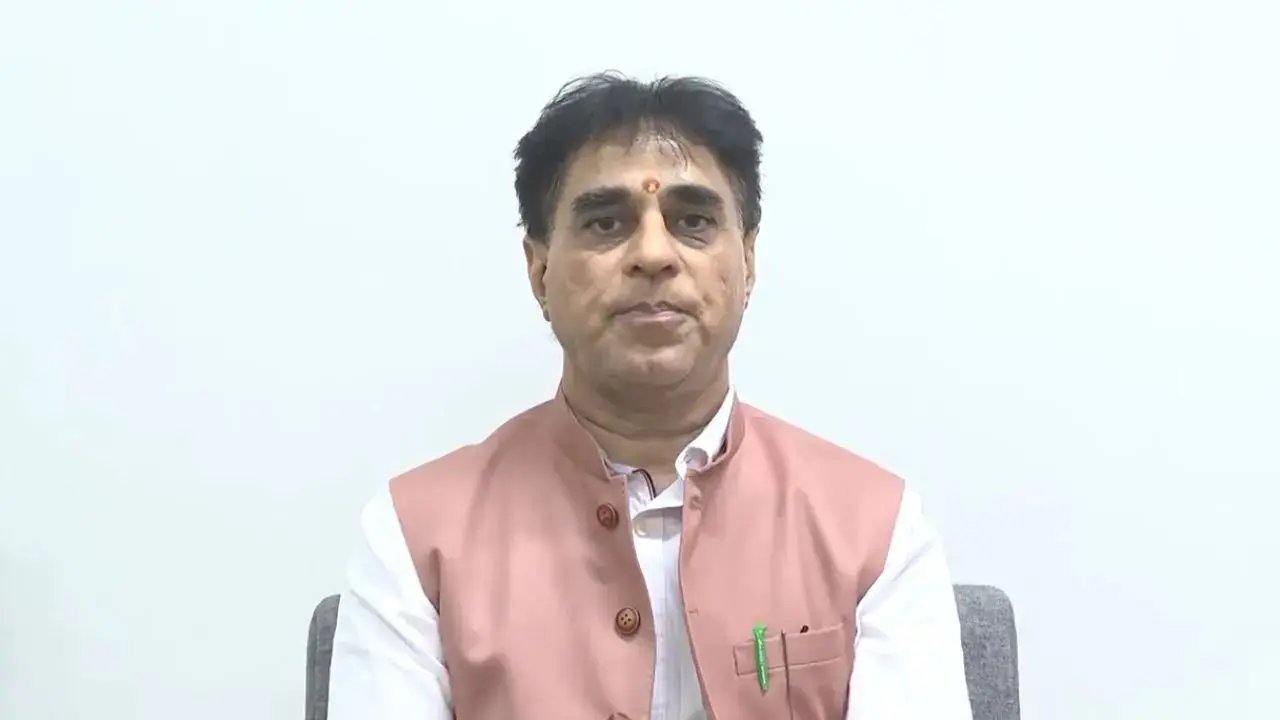
The meeting was conducted under the chairmanship of Pansheriya. The primary objective of this gathering was to coordinate state efforts in monitoring and managing health threats that typically emerge or intensify during the monsoon season.
Focus on H1N1 and Seasonal Disease Control
According to reports from Mid-day, the discussions held in Gandhinagar centered on two major areas of public health concern. The first is the state's preparedness regarding H1N1, a strain of the influenza virus that requires consistent monitoring and medical surveillance. The second focus involves the broader management of health risks associated with the monsoon season, specifically targeting water-borne and mosquito-borne diseases.
The review meeting served as a platform for officials to assess the effectiveness of ongoing measures and identify gaps in the current response strategy. By bringing together leadership to review these health parameters, the state aims to maintain a structured approach to disease prevention and control.
Addressing Monsoon-Related Health Challenges
The monsoon season often brings a spike in various illnesses due to changing environmental conditions. The meeting chaired by Pansheriya specifically addressed the following categories of health risks:
- Water-borne diseases: Conditions often exacerbated by the contamination of water sources during heavy rainfall.
- Mosquito-borne diseases: Illnesses that tend to proliferate as stagnant water provides breeding grounds for vectors.
- H1N1 Influenza: Seasonal flu cases that necessitate organized medical intervention and public awareness.
The administration is focused on ensuring that the state's health systems are resilient enough to manage the caseloads associated with these seasonal health challenges. The review meeting in Gandhinagar underscores the importance of high-level oversight in managing public health during periods of increased environmental risk.
Strategic Preparedness in Gandhinagar
While the review meeting provided a forum for assessing the status of disease control, it also highlighted the importance of inter-departmental coordination. By evaluating the measures taken to date, the government seeks to ensure that hospitals, clinics, and medical staff are equipped with the necessary resources to address the requirements of the public during the current season.
As the state continues to monitor the situation, the emphasis remains on preparedness and the effective implementation of health protocols. Further updates regarding state-wide health initiatives are expected as the administration continues to oversee the response to seasonal flu and other monsoon-related health concerns.