Empowering Rural Economies: Gujarat Launches Marketing Support Scheme for Sakhi Mandals
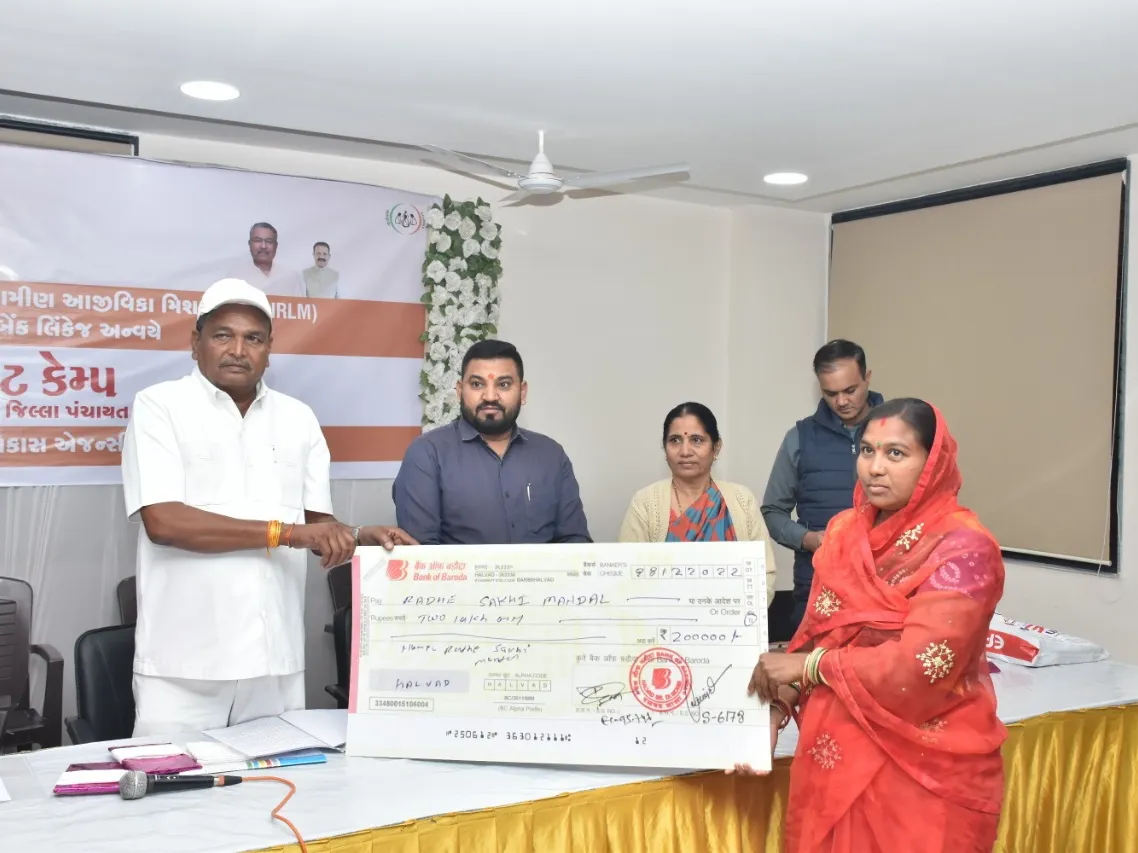
In a significant move to bolster rural entrepreneurship and provide sustainable income streams for women, the Gujarat Livelihood Promotion Company Limited (GLPC) has officially unveiled its new ‘Marketing Support Scheme.’ This strategic initiative is designed to bridge the gap between grassroots production and broader commercial markets, specifically targeting the vast network of Sakhi Mandals—self-help groups that form the backbone of rural female economic activity across the state.
By leveraging digital infrastructure and modern supply chain logistics, the scheme seeks to transition these local enterprises from localized, informal selling to structured, scalable business models. The intervention comes at a critical time when rural artisans and food producers are looking to move beyond traditional village-level demand to tap into the high-value potential of urban and global consumer bases.
Digital Integration and Market Expansion
At the core of the new scheme is a robust commitment to digital transformation. For many Sakhi Mandals, the primary barrier to growth has not been a lack of product quality, but rather the absence of a professional marketing framework and access to digital storefronts. The GLPC initiative addresses this by facilitating direct linkages between these groups and established e-commerce platforms.
Through this integration, rural producers can now showcase their products—ranging from artisanal handicrafts and handlooms to processed agro-food items—to a nationwide audience. The scheme provides the necessary technical support to navigate the complexities of online inventory management, digital payments, and logistics. Beyond domestic e-commerce, the program also aims to explore export readiness, helping groups navigate the regulatory and quality standards required to enter international markets. This dual approach ensures that products retain their authentic, indigenous appeal while meeting the professional expectations of modern, discerning buyers.
Building Sustainable Value Chains
The Marketing Support Scheme is more than a simple sales platform; it is an exercise in ecosystem building. Recognizing that market access is ineffective without consistent quality control and branding, the GLPC is focusing on capacity building for the members of Sakhi Mandals. This includes training sessions on product packaging, standardized labeling, and the importance of supply chain reliability.
By creating a structured pathway for products to reach larger markets, the scheme reduces the reliance on intermediaries who often erode the profit margins of individual producers. This shift allows the women within these groups to retain a larger share of the value created, thereby increasing the overall economic sustainability of their ventures. Furthermore, by standardizing the output, the initiative helps these groups build brand recognition, which is essential for long-term survival in an increasingly competitive marketplace.
What This Means for Farmers
For rural households and farming families involved in Sakhi Mandals, this scheme represents a shift from subsistence-based production to market-oriented entrepreneurship. The practical implications are significant:
- Diversification of Income: By transforming farm produce into value-added goods—such as pickles, preserves, or organic spices—farmers can create a secondary, non-cyclical revenue stream that is less dependent on harvest seasons.
- Access to Fair Pricing: Direct connection to e-commerce platforms eliminates the "middleman" effect, allowing producers to set prices that reflect the true labor and quality of their goods, rather than accepting distressed prices at local mandis.
- Professionalization of Operations: The scheme provides a roadmap for formalizing home-based businesses. Farmers are encouraged to focus on quality certification and hygienic processing, which can lead to higher long-term brand equity.
- Economic Resilience: By tapping into national and international markets, these groups become more resilient to local economic fluctuations. A diversified market base acts as a buffer, ensuring that even if local demand dips, the business remains viable through broader digital reach.
Ultimately, the Marketing Support Scheme serves as a catalyst for rural women to transition from informal producers to recognized business owners. For the agricultural sector, this signifies a move toward higher value-addition at the source, contributing to the broader goal of doubling rural incomes and strengthening the economic fabric of Gujarat’s agrarian heartland.