Commemorating the Cost of Sovereignty: Gujarat Reflects on Partition
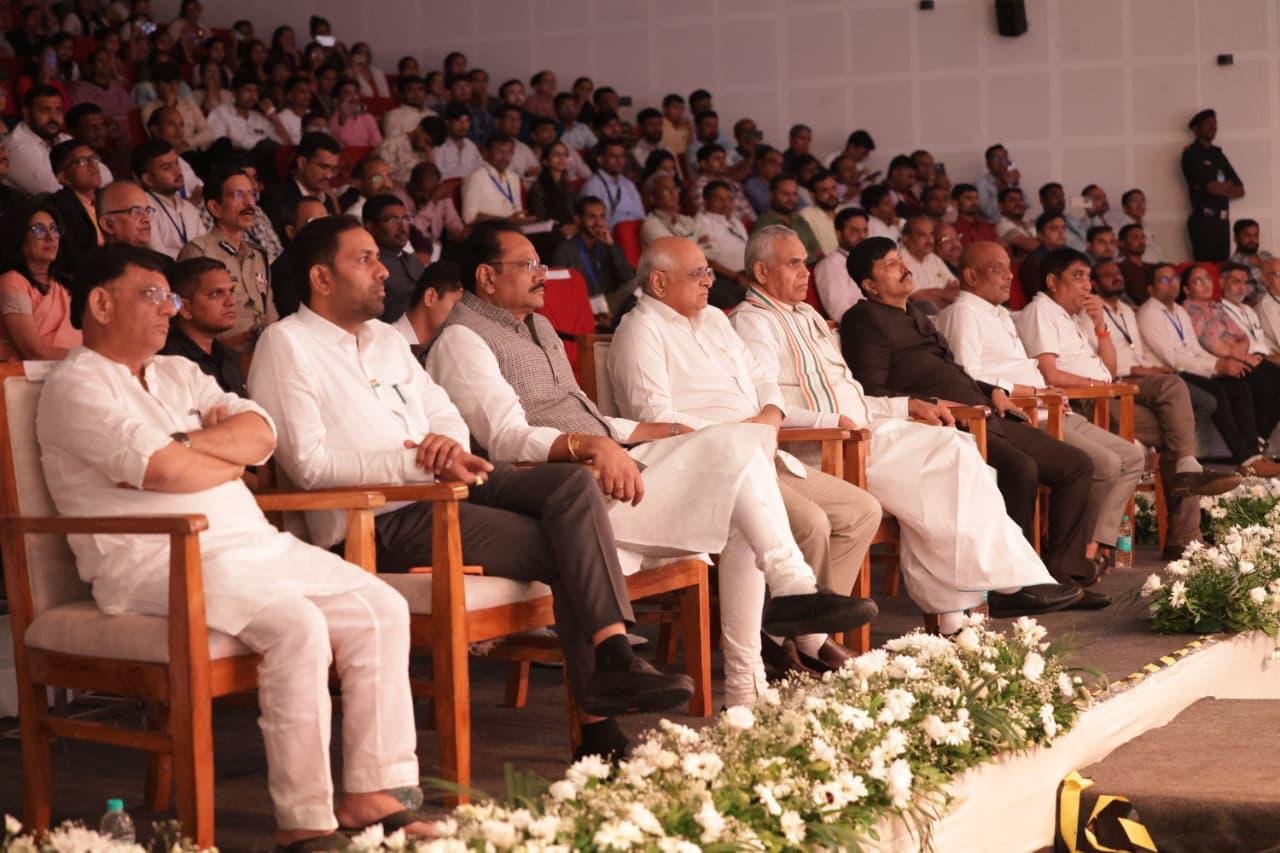
In a solemn observance held on the eve of India’s 80th Independence Day, the state of Gujarat paused to reflect on one of the most transformative and tragic chapters in modern history. The state-level ‘Vibhajan Vibhishika Smriti Diwas’ (Partition Horrors Remembrance Day) took place in Amreli, serving as a poignant reminder of the human cost paid during the transition to sovereignty in 1947. Gujarat Governor Acharya Devvrat and Chief Minister Bhupendra Patel led the proceedings, emphasizing that the lessons derived from the displacement and suffering of millions are fundamental to maintaining the nation's current unity and integrity.
The event, which drew senior government officials and citizens, was marked by a moment of silence for the millions who lost their lives, homes, and livelihoods during the upheaval. Through exhibitions and theatrical presentations, the gathering sought to bridge the gap between the historical trauma of the past and the national aspirations of the present, framing the remembrance as a necessary moral duty to honor those who rebuilt their lives from the ashes of displacement.
Historical Reflection and the Path to a ‘Viksit Bharat’
During his address, Governor Acharya Devvrat highlighted the stark reality of the 1947 Partition, describing it as an era of "inhuman atrocities" that reshaped the demographic and social landscape of the subcontinent. He lauded the resilience of the displaced families who, despite losing everything, integrated into new regions and contributed significantly to India’s post-independence development. The Governor underscored that the preservation of national brotherhood is not merely a political ideal but a prerequisite for a robust and secure nation.
Chief Minister Bhupendra Patel reinforced this sentiment, noting that the joy of independence was inextricably linked with the sorrow of division. By observing August 14 as a day of remembrance—a practice established in 2021—the state government aims to ensure that the sacrifices of previous generations are not forgotten. The Chief Minister connected these reflections to the broader vision of ‘Viksit Bharat-2047,’ the national initiative to transform India into a developed nation by the centenary of its independence. He urged citizens to adopt the ‘Panch Pran’ (five pledges), which include fostering pride in heritage, dismantling colonial mindsets, and committing to national unity, as the guiding principles for the next quarter-century of growth.
What This Means for Farmers
While the ‘Vibhajan Vibhishika Smriti Diwas’ is primarily a socio-political event, the principles of unity, resilience, and national duty carry significant weight for the agricultural community. For farmers, who serve as the backbone of the Indian economy, these reflections offer several practical and economic takeaways:
- Stability as a Prerequisite for Growth: The history of Partition serves as a stark reminder of how social instability can devastate rural livelihoods and destroy generations of land-based wealth. For the modern farmer, national unity is the foundation upon which agricultural markets operate, ensuring that supply chains remain uninterrupted and that farming remains a viable profession.
- The Value of Resilience: The stories of families who were displaced in 1947 and subsequently rebuilt their lives through sheer hard work resonate with the challenges faced by farmers today. Whether dealing with climate volatility, market fluctuations, or shifting input costs, the spirit of perseverance cited by the Governor remains the most critical asset for the farming community.
- Commitment to ‘Viksit Bharat’: As the government pushes for a ‘Viksit Bharat-2047,’ the agricultural sector is expected to play a central role. Farmers are encouraged to participate in this vision by adopting sustainable, technology-driven, and value-added agricultural practices. The call to fulfill one’s "responsibilities and duties" translates to the adoption of efficient irrigation, soil health management, and collective marketing efforts that strengthen the rural economy.
- Community Cohesion: Agriculture is inherently a collective effort, relying on shared water resources, cooperative societies, and local infrastructure. The message of unity, beyond caste and religious lines, is essential for maintaining the cooperative spirit necessary for successful rural development and local governance.
Ultimately, the remembrance in Amreli serves as a reminder that the prosperity of the Indian farmer is deeply intertwined with the stability and integrity of the nation. By honoring the past, the agricultural community is better positioned to contribute to a future defined by self-reliance and sustained growth.