Record Rainfall Triggers Severe Flooding and Infrastructure Damage in Valsad
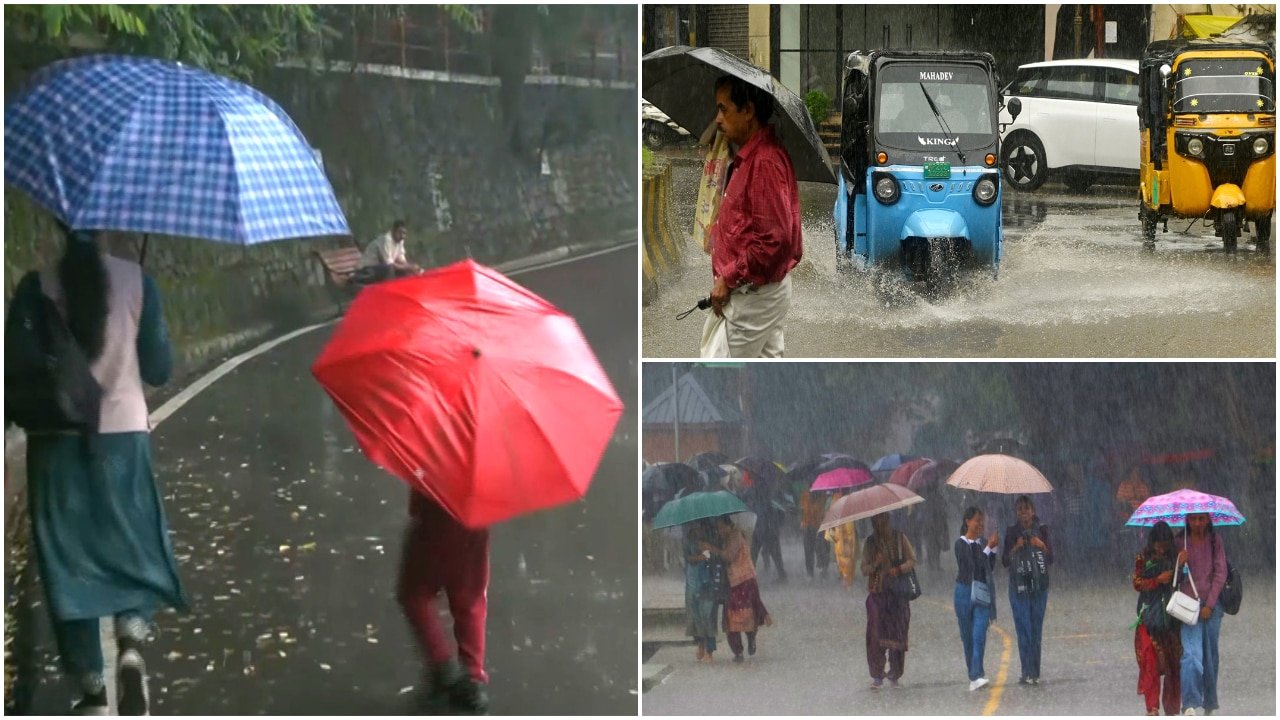
The Valsad district of Gujarat has been thrust into a state of emergency following an unprecedented deluge that has overwhelmed local drainage systems and inundated vast swathes of agricultural land. The extreme weather event, characterized by sustained, high-intensity rainfall over a short duration, has disrupted rural livelihoods and compromised critical infrastructure across the region. As floodwaters begin to recede, the focus of the state government has shifted toward rapid damage assessment and the implementation of relief measures for affected farming communities.
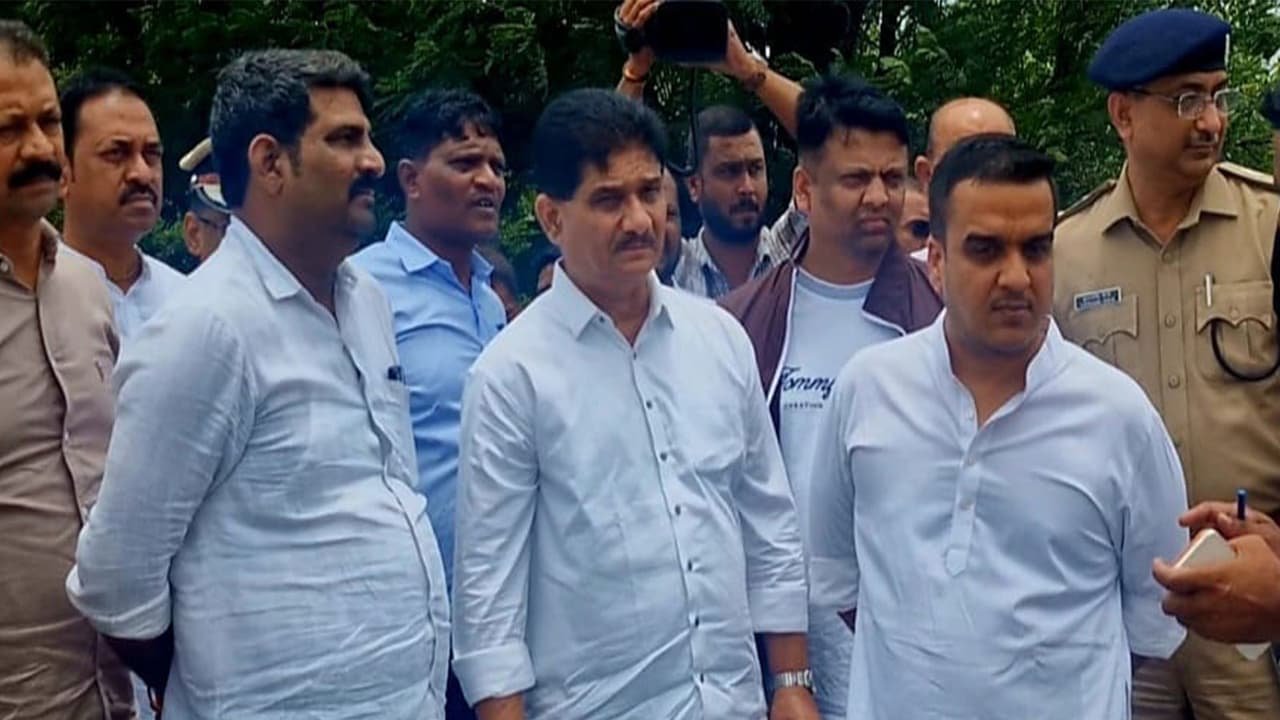
The severity of the situation prompted a high-level response from the state administration. Deputy Chief Minister Harsh Sanghavi conducted an on-ground inspection of the flood-affected areas, personally assessing the extent of waterlogging in residential zones and cultivated fields. During his visit, Sanghavi engaged with local district officials, emphasizing the necessity of a transparent and rapid survey process to quantify the losses suffered by the agricultural sector. The directive underscores the government’s commitment to ensuring that no farmer is overlooked in the forthcoming compensation cycle.
Strategic Government Response and Relief Mobilization
Beyond the immediate field inspections, the broader crisis management strategy is being overseen by Chief Minister Bhupendra Patel. Recognizing the potential for long-term economic instability in the district, the Chief Minister has issued clear directives to accelerate relief operations. This mobilization involves a multi-pronged approach: the deployment of disaster response teams to restore essential services, the provision of emergency rations to displaced households, and the immediate mobilization of agricultural department personnel to document crop destruction.
The administrative priority is two-fold: restoring connectivity to isolated rural pockets and preparing a comprehensive dossier on crop health. Preliminary reports suggest that standing crops, particularly those in low-lying areas, have suffered significant damage due to prolonged submergence. The state government’s push for accelerated relief is intended to provide a financial safety net for growers who are currently facing the dual challenge of immediate harvest losses and the potential for soil degradation. By coordinating between meteorological forecasts and local revenue departments, the government aims to mitigate the secondary impacts of the flood, such as the outbreak of water-borne diseases and the depletion of fodder reserves for livestock.
What This Means for Farmers
For the farming community in Valsad, the current situation necessitates a proactive approach to damage mitigation and recovery. The immediate economic impact is likely to be felt in terms of reduced yields and the loss of inputs—such as seeds, fertilizers, and pesticides—that were applied prior to the deluge. Farmers are advised to take the following steps to ensure they remain eligible for state aid and to protect their future operations:
- Document Everything: Maintain a meticulous record of the flood impact. Take high-resolution photographs of damaged crops, siltation in fields, and any destruction of farm equipment or irrigation infrastructure. These visuals serve as critical evidence during the official survey process.
- Engage with Local Authorities: Proactively contact your local Taluka agricultural office to ensure your land is included in the government’s damage assessment list. Do not wait for officials to reach out; register your loss as soon as the administrative channels are opened.
- Prioritize Soil Health: Once waters recede, the soil may be prone to compaction and nutrient leaching. Consult with local agricultural extension officers regarding post-flood soil testing. It is essential to understand the nutrient profile of your land before investing in the next planting cycle to avoid wasted input costs.
- Livestock Management: Ensure that livestock are moved to higher ground and provided with dry fodder. Flooding often contaminates local water sources, so prioritize the use of treated or clean water for both domestic and agricultural use to prevent the spread of infections among cattle.
- Monitor Market Fluctuations: Large-scale crop damage in a specific district often leads to localized price volatility. Keep a close watch on regional market trends, as the supply-demand balance for local produce may shift significantly in the coming weeks.
Ultimately, while the immediate focus is on relief, the long-term resilience of the Valsad farming sector will depend on how effectively these government assessments are translated into direct financial support. Farmers are encouraged to remain in close contact with local cooperatives and agricultural unions to ensure their collective voice is heard during the aid distribution phase.