Saputara Monsoon Festival 2026: Bridging Agrotourism and Economic Growth in Gujarat’s Highlands
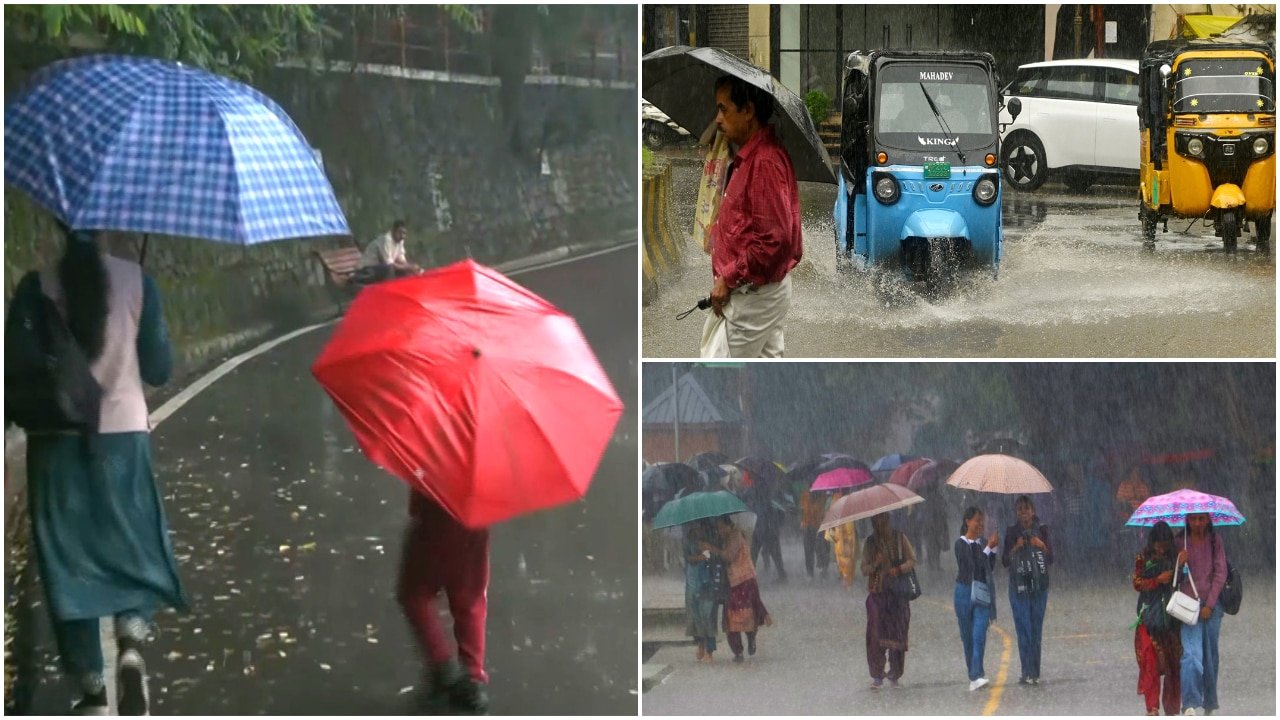
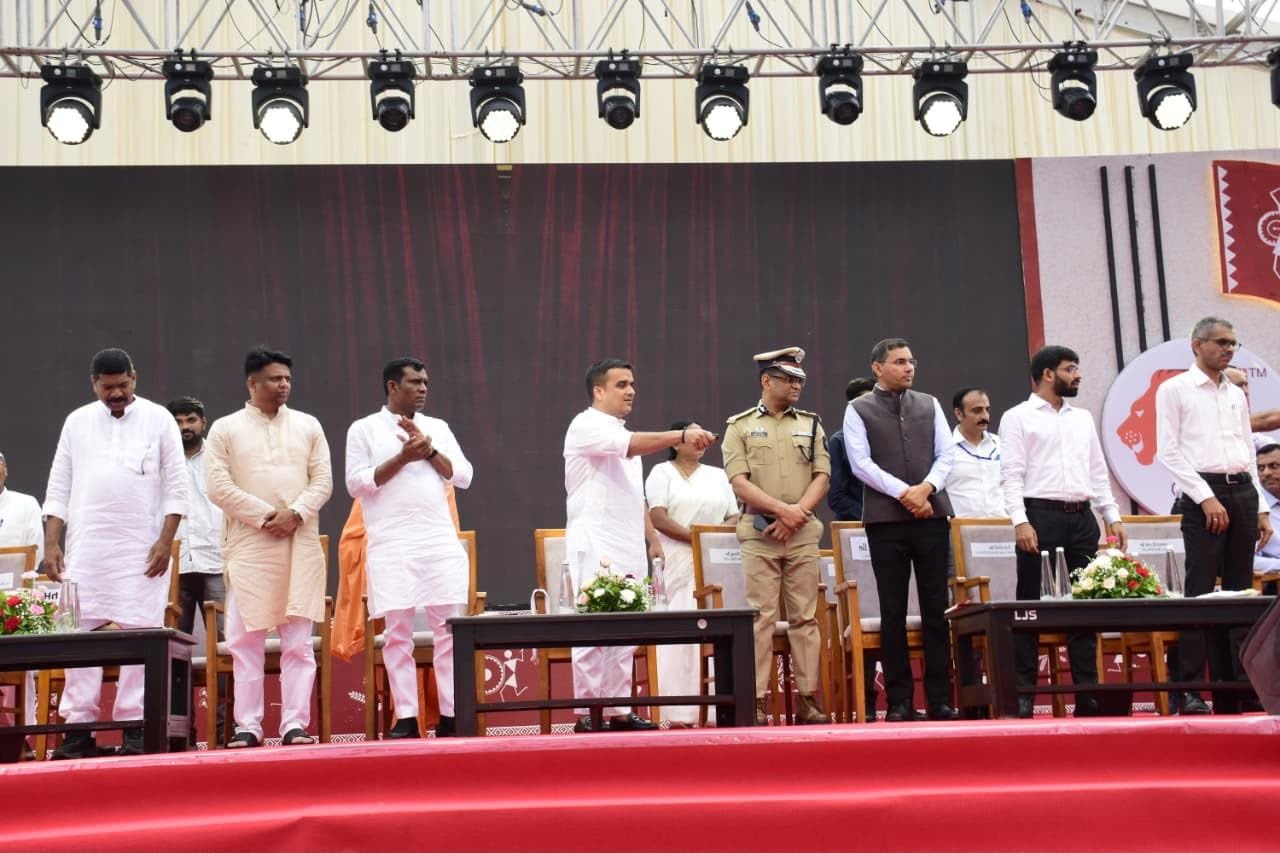
The lush, misty landscapes of Dang district have once again become the focal point of Gujarat’s tourism calendar as the ‘Saputara Monsoon Festival 2026’ officially commenced. Inaugurated by the Deputy Chief Minister, the festival marks a strategic push to transform the state’s only hill station into a year-round destination. Running until August 29, the event serves as a vibrant showcase of the region’s unique intersection of monsoon ecology, indigenous tribal heritage, and emerging agrotourism potential.
As the monsoon rains rejuvenate the Western Ghats, Saputara has transformed into a verdant hub, attracting visitors from across the country. The festival is designed not merely as a recreational event, but as a deliberate economic engine intended to bolster the livelihoods of the local population, many of whom rely on traditional farming and seasonal harvesting. By integrating local folk arts, tribal craftsmanship, and regional agricultural products into the visitor experience, the government aims to create a sustainable model that balances environmental preservation with economic development.
Celebrating Tribal Heritage and Agricultural Resilience
At the heart of the festival lies a deep appreciation for the Dangs region—a geography defined by its rugged terrain and rich biodiversity. The event highlights the symbiotic relationship between the tribal communities and the land. Visitors are invited to engage with local artisans who demonstrate traditional practices that have sustained these communities for generations. Beyond the cultural performances, the festival provides a platform for the display of indigenous agricultural produce and forest-based commodities, reflecting the seasonal bounty that characterizes the monsoon months in this part of Gujarat.
The Deputy Chief Minister’s address underscored the vital role that tourism plays in diversifying the regional economy. By positioning Saputara as a premium destination, the state government is encouraging the development of infrastructure that benefits both tourists and residents. This includes improved road connectivity, support for local hospitality ventures, and the promotion of "farm-to-table" experiences that allow visitors to sample the authentic, organic produce grown in the surrounding fertile valleys. This initiative is part of a broader state strategy to leverage the natural beauty of tribal belts to create reliable, non-farm income streams for rural families.
Diversifying Income Streams Through Sustainable Tourism
The festival’s emphasis on adventure activities and eco-tourism is a calculated effort to modernize the local economy without compromising the ecological integrity of the Western Ghats. By fostering an environment where tribal culture is treated as a premium asset, the festival helps to elevate the social and economic standing of local producers. The influx of tourists during the monsoon season—a period traditionally considered a 'lean' time for tourism in many parts of India—provides a necessary boost to local businesses, from small-scale traders to community-led cooperatives.
Furthermore, the event highlights the potential for 'agro-tourism' as a viable career path for the youth of the region. As the government continues to invest in the branding of Saputara, there is a growing opportunity for farmers to diversify their operations. By integrating farm stays, guided botanical tours, and direct-market kiosks into their existing agricultural activities, local landholders can capture a larger share of the tourism value chain, moving beyond subsistence farming toward more profitable, diversified rural enterprises.
What This Means for Farmers
For the farming communities in and around the Dang district, the Saputara Monsoon Festival represents a significant shift in market dynamics and economic opportunity. Farmers should consider the following implications and strategic adjustments:
- Direct-to-Consumer Opportunities: The festival creates a high-traffic environment for selling niche, high-value agricultural products. Producers of honey, forest herbs, millets, and seasonal organic produce are encouraged to leverage the event to establish direct retail channels with urban tourists, bypassing traditional intermediaries.
- Diversification into Agrotourism: Farmers with land parcels near tourist routes should explore the feasibility of small-scale agrotourism ventures. Providing authentic experiences—such as monsoon farming demonstrations or traditional culinary workshops—can create a supplemental income stream that is less dependent on climate volatility.
- Value Addition and Branding: There is a growing demand among festival visitors for 'GI-tagged' or locally sourced, authentic products. Farmers who focus on value-added processing—such as packaging locally harvested spices or crafting artisanal forest products—can command higher price points compared to selling raw, bulk commodities.
- Synergy with Infrastructure: As regional connectivity improves due to the government's focus on tourism, farmers should prepare for better access to markets. Utilizing these improved transport links can help reduce post-harvest losses and facilitate the faster movement of perishable goods to the larger markets in Surat and beyond.
Ultimately, the festival acts as a catalyst for integrating the rural economy into the broader state tourism framework. For the proactive farmer, the Saputara Monsoon Festival is more than a cultural celebration; it is a signal to begin viewing their land and traditions as assets that can thrive in a modern, experience-driven marketplace.