Political Intensification in Vadodara: Congress Launches Manjalpur Bypoll Campaign
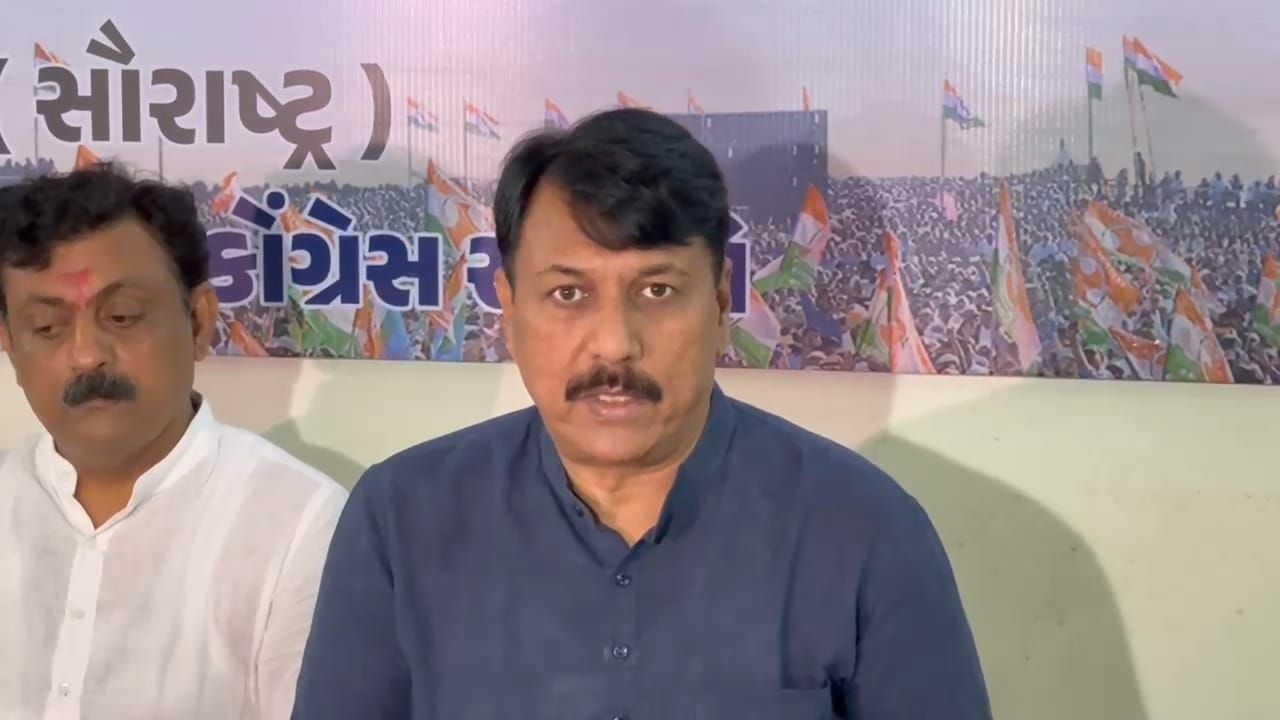
The political landscape in Vadodara has shifted into high gear as the Gujarat Pradesh Congress Committee (GPCC) officially inaugurated its campaign for the upcoming Manjalpur Assembly bye-election. The launch event, held earlier this week, signaled a strategic pivot for the opposition party, which is framing this contest as a critical referendum on the governing Bharatiya Janata Party (BJP). With the formal commencement of ground-level mobilization, the Manjalpur seat has emerged as a focal point for broader state-level political discourse.
GPCC President Amit Chavda, spearheading the launch, set a combative tone for the campaign. By characterizing the contest as a direct fight against the BJP’s “triple-engine government,” the Congress leadership is aiming to consolidate voter sentiment around issues of governance, local accountability, and economic management. The term “triple-engine” serves as a rhetorical device used by the opposition to highlight the interconnected nature of the BJP’s influence at the municipal, state, and central levels, effectively arguing that the party bears total responsibility for current socioeconomic challenges.
Framing the Narrative: Governance and Local Accountability
At the heart of the Congress campaign strategy is an attempt to localize national and state-level grievances. By focusing on the Manjalpur constituency, the party is looking to leverage concerns regarding civic infrastructure, urban development, and the cost of living—factors that directly impact the daily lives of residents in the Vadodara region. The Congress leadership contends that the current political structure has created a lack of checks and balances, leading to policy stagnation in key sectors.
The “triple-engine” critique is designed to resonate with voters who may feel that the concentration of power has hindered effective grievance redressal. The Congress campaign intends to highlight instances where local administrative issues have allegedly been sidelined in favor of broader party mandates. By positioning themselves as a necessary alternative, the opposition hopes to break the BJP's stronghold in the region, arguing that a change in representation is essential for better oversight of local development projects and public service delivery.
Strategic Mobilization and Voter Engagement
The campaign launch marks the beginning of a rigorous outreach program, with the party planning to deploy block-level workers to engage directly with households across Manjalpur. This grassroots approach is a staple of electioneering in Gujarat, where the ability to connect with individual voters often dictates the outcome in closely contested bypolls. The GPCC is focusing on building a narrative that emphasizes the need for a “voice of the people” in the legislative assembly, suggesting that a strong opposition presence is vital for a healthy democratic process.
Political analysts suggest that the Manjalpur bypoll will serve as a bellwether for the upcoming electoral cycle. Both major parties are expected to ramp up their presence in the coming days, with high-profile visits and public rallies likely to dominate the local news cycle. For the Congress, the objective is twofold: to secure a symbolic victory that could rejuvenate party morale, and to demonstrate that they remain a viable political force capable of challenging the ruling party’s dominance on its own turf.
What This Means for Farmers
While the Manjalpur bypoll is centered in an urban constituency, the political rhetoric surrounding the “triple-engine government” carries significant implications for the broader agricultural community in Gujarat. Farmers often look to such contests to gauge the government's sensitivity to rural and semi-urban economic policies.
- Policy Continuity vs. Change: The outcome of this bypoll may influence how the state government prioritizes agricultural subsidies, irrigation projects, and crop procurement policies in the months leading up to the next general election.
- Market Stability: Farmers should monitor the discourse closely, as campaign promises made during such elections often include pledges regarding electricity tariffs, fertilizer distribution, and support prices for local cash crops.
- Advocacy Opportunities: Election cycles provide a strategic window for agricultural unions and cooperatives to present their charter of demands to candidates. When political competition is high, parties are traditionally more receptive to addressing long-standing issues, such as water management and infrastructure for agricultural markets.
- Economic Impact: The rhetoric regarding governance and administrative efficiency directly impacts the ease of doing business for farmers, including the speed of land record digitization and the efficacy of rural extension services. Farmers are advised to look past partisan slogans and evaluate candidates based on their concrete plans for rural infrastructure and support for the agrarian economy.