Emergency Response Mobilized as Ahmedabad Faces Record-Breaking Monsoon Deluge
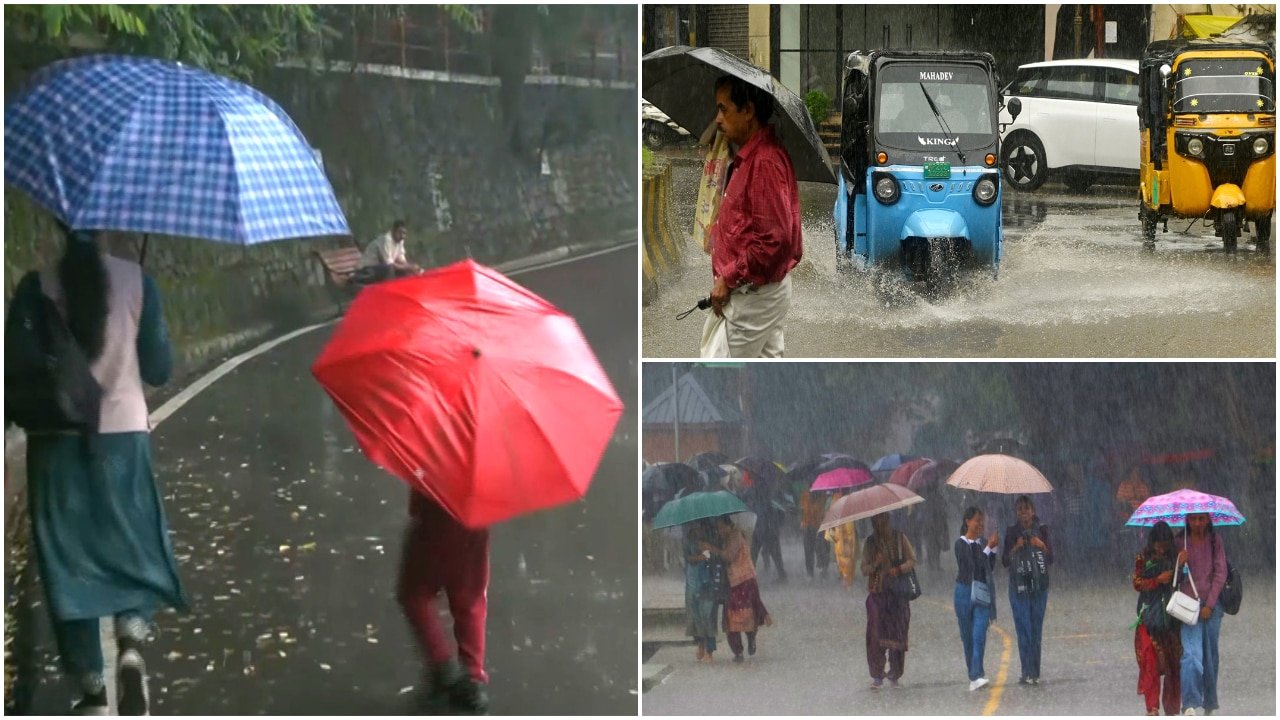
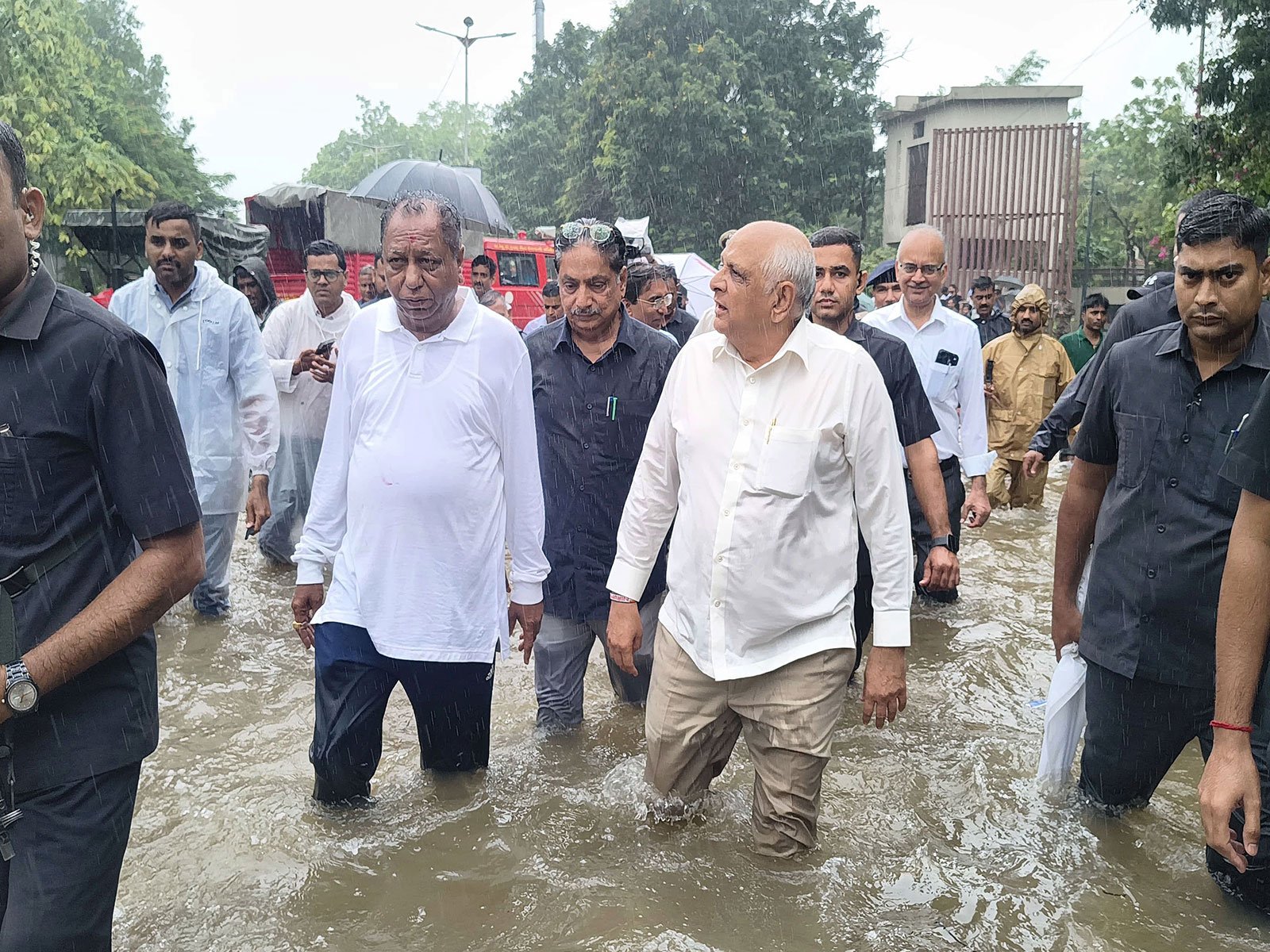
The state of Gujarat is currently grappling with a severe weather crisis following an unprecedented spell of torrential monsoon rainfall that has brought the city of Ahmedabad to a virtual standstill. In response to the escalating situation, Chief Minister Bhupendra Patel convened an urgent high-level meeting to review ongoing rescue and relief operations. With the city recording a staggering 18.42 inches of rain in a compressed timeframe, local administration and disaster management teams have been thrust into a full-scale emergency response mode to mitigate the impact of widespread inundation.
The intensity of the rainfall has overwhelmed urban drainage systems, leading to significant waterlogging across critical infrastructure and residential zones. Chief Minister Patel has directed officials to prioritize the safety of citizens, particularly those in low-lying areas, while coordinating the swift deployment of rescue boats and emergency medical teams. The administration is currently focused on clearing traffic bottlenecks and ensuring that essential utility services—including power and potable water supply—remain operational despite the challenging environmental conditions.
Infrastructure Resilience and the Challenge of Urban Flooding
The current meteorological event highlights the increasing vulnerability of urban centers to extreme weather patterns. Hydrological experts note that when rainfall intensities of this magnitude occur, even well-engineered drainage systems face severe capacity constraints. In Ahmedabad, the focus has shifted toward rapid water evacuation and the deployment of high-capacity pumping stations to alleviate flooded thoroughfares. The state government is currently monitoring the levels of nearby water bodies and reservoirs to prevent overflow, which could exacerbate the flooding situation in downstream agricultural and peri-urban regions.
Beyond the immediate rescue efforts, the administration is conducting a rigorous assessment of the city's infrastructure resilience. The Chief Minister’s review emphasized the need for real-time data monitoring and the integration of advanced weather forecasting technologies to better prepare for future monsoon anomalies. By streamlining coordination between the municipal corporation, the state disaster response force, and local law enforcement, the government aims to reduce the recovery timeline for residents and businesses impacted by the inundation.
Impact on Regional Logistics and Agricultural Supply Chains
While the focus remains on the urban environment of Ahmedabad, the broader implications for the region’s agricultural sector cannot be ignored. Gujarat serves as a vital hub for both industrial manufacturing and agricultural processing. The disruption of road and rail networks due to heavy waterlogging creates significant hurdles for the movement of perishable goods and agricultural inputs. Farmers in the surrounding districts, who rely on the city as a primary market for their produce, are facing logistical delays that may affect commodity pricing and storage stability in the coming week.
Furthermore, the saturation of soil and the potential for crop damage in peripheral fields are primary concerns for the state’s agricultural department. Excessive moisture levels can lead to root rot, disease outbreaks in standing crops, and the leaching of essential soil nutrients. As the waters recede, agricultural extension officers will be required to work closely with local growers to monitor crop health and provide guidance on post-flood management strategies, such as pest control and soil aeration, to protect the season's yield.
What This Means for Farmers
The current weather emergency serves as a stark reminder of the necessity for climate-resilient farming practices and proactive risk management. For producers in the vicinity of Ahmedabad and across the state, the following considerations are critical in the aftermath of extreme rainfall:
- Field Drainage Management: Once the immediate danger subsides, prioritize the clearing of drainage channels to prevent prolonged water stagnation, which is detrimental to soil microbial health and root respiration.
- Pest and Disease Surveillance: High humidity and waterlogged conditions create the perfect environment for fungal pathogens and opportunistic pests. Farmers should increase their scouting frequency and consult with local agricultural experts regarding prophylactic measures for crop protection.
- Logistical Contingency Planning: Expect temporary disruptions in the supply chain. If possible, prioritize the storage of harvested produce in climate-controlled or elevated facilities and maintain communication with local cooperative societies to navigate potential market access issues.
- Insurance and Documentation: Maintain thorough records of any crop loss or infrastructure damage. Timely reporting to local agricultural offices is essential for accessing potential government relief packages or insurance claims related to natural disasters.
- Nutrient Management: Significant rainfall can cause nitrogen leaching. Soil testing after the monsoon cycle will be vital to determine if supplemental fertilization is required to ensure consistent crop development for the remainder of the season.