Empowering the Next Generation: Gujarat CM Emphasizes Education and Balanced Living
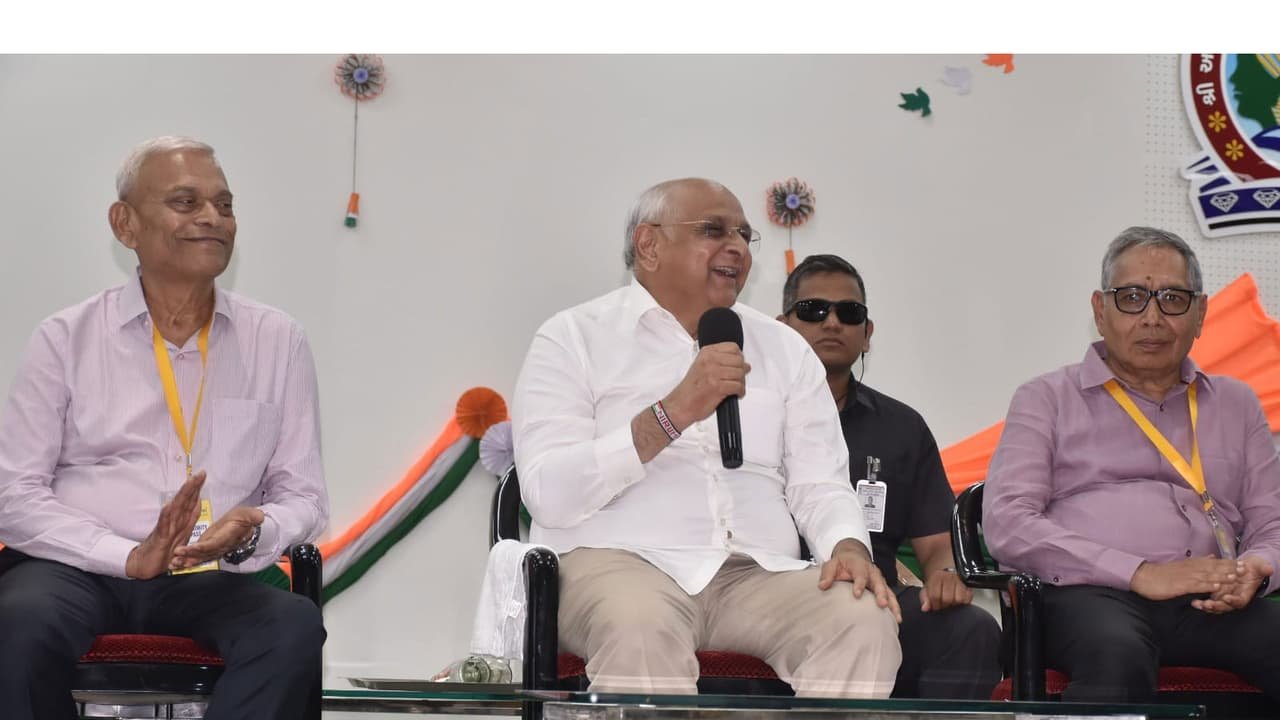
During the recent state-level Independence Day celebrations held in Amreli, Gujarat Chief Minister Bhupendra Patel delivered a keynote address that bridged the gap between modern governance and traditional values. Addressing a large gathering of students, educators, and local community members, the Chief Minister underscored the state’s commitment to gender equality while offering a candid assessment of the challenges facing the digital-native generation.
At the heart of his message was a strong endorsement of the 33% women’s reservation policy, a legislative framework designed to ensure that women are adequately represented in the administrative and political decision-making processes that shape the state’s future. By highlighting this commitment, the Chief Minister signaled that the government views the active participation of women not merely as a social ideal, but as an economic and structural necessity for the continued growth of Gujarat’s rural and urban landscapes.
The Intersection of Policy and Personal Responsibility
The Chief Minister’s address went beyond legislative achievements, delving into the personal habits and disciplines required for professional success. In an era where digital connectivity is ubiquitous, Patel urged female students to exercise caution regarding their engagement with social media platforms. He expressed concern that excessive screen time and the constant consumption of digital content can lead to a fragmentation of focus, ultimately detracting from the deep, concentrated study required to excel in competitive fields such as agriculture, technology, and public administration.
Patel emphasized that true empowerment is rooted in time management and the cultivation of core values. By encouraging students to balance their academic pursuits with a disciplined lifestyle, he advocated for a model of development that prioritizes long-term intellectual growth over short-term digital gratification. This advice is particularly relevant in the context of Gujarat’s evolving agricultural sector, where the next generation of farmers and agribusiness leaders must navigate increasingly complex markets, climate data, and technological integrations that demand sustained attention and critical thinking.
Cultivating Future Leaders in the Agricultural Sector
As Gujarat continues to modernize its agricultural practices, the role of women in the farm economy has never been more vital. From the adoption of precision farming techniques to the management of farmer-producer organizations (FPOs), women are increasingly at the helm of rural innovation. The Chief Minister’s focus on empowerment suggests that the state government aims to create a supportive environment where young women can leverage their education to drive productivity and sustainability in the fields.
By fostering an environment where young women are encouraged to prioritize their education and professional development, the state is effectively investing in its own food security and economic stability. The emphasis on values—such as perseverance, community responsibility, and integrity—serves as a foundation for the resilience required to manage the risks inherent in agricultural production, whether dealing with fluctuating weather patterns or shifting global commodity prices.
What This Means for Farmers
For farming families and rural communities, the Chief Minister’s address carries significant implications for the future of farm management and household economics:
- Strategic Human Capital Development: As agriculture becomes more data-driven, the emphasis on academic discipline and time management is a direct call to prepare the next generation for the complexities of modern agritech. Farmers should view their children's education as a critical business investment.
- Leveraging Reserved Opportunities: The 33% reservation policy is designed to open doors in local governance and administrative bodies. Rural families are encouraged to take advantage of these quotas, as increased female representation at the panchayat and district levels often leads to better advocacy for village-level agricultural infrastructure, such as irrigation and market access.
- Digital Literacy Over Digital Consumption: The caution against excessive social media use is a practical reminder to shift focus from passive consumption to active, productive use of technology. For farmers, this means utilizing digital tools for market price tracking, weather forecasting, and soil health management rather than non-productive digital engagement.
- Long-Term Succession Planning: Empowering daughters within the agricultural enterprise ensures a more diverse and resilient leadership pipeline. By fostering a culture of professional ambition and balanced living, farming households can better ensure the continuity and modernization of their operations for years to come.