Gujarat Accelerates Flood Recovery Efforts as Infrastructure Restoration Gains Momentum
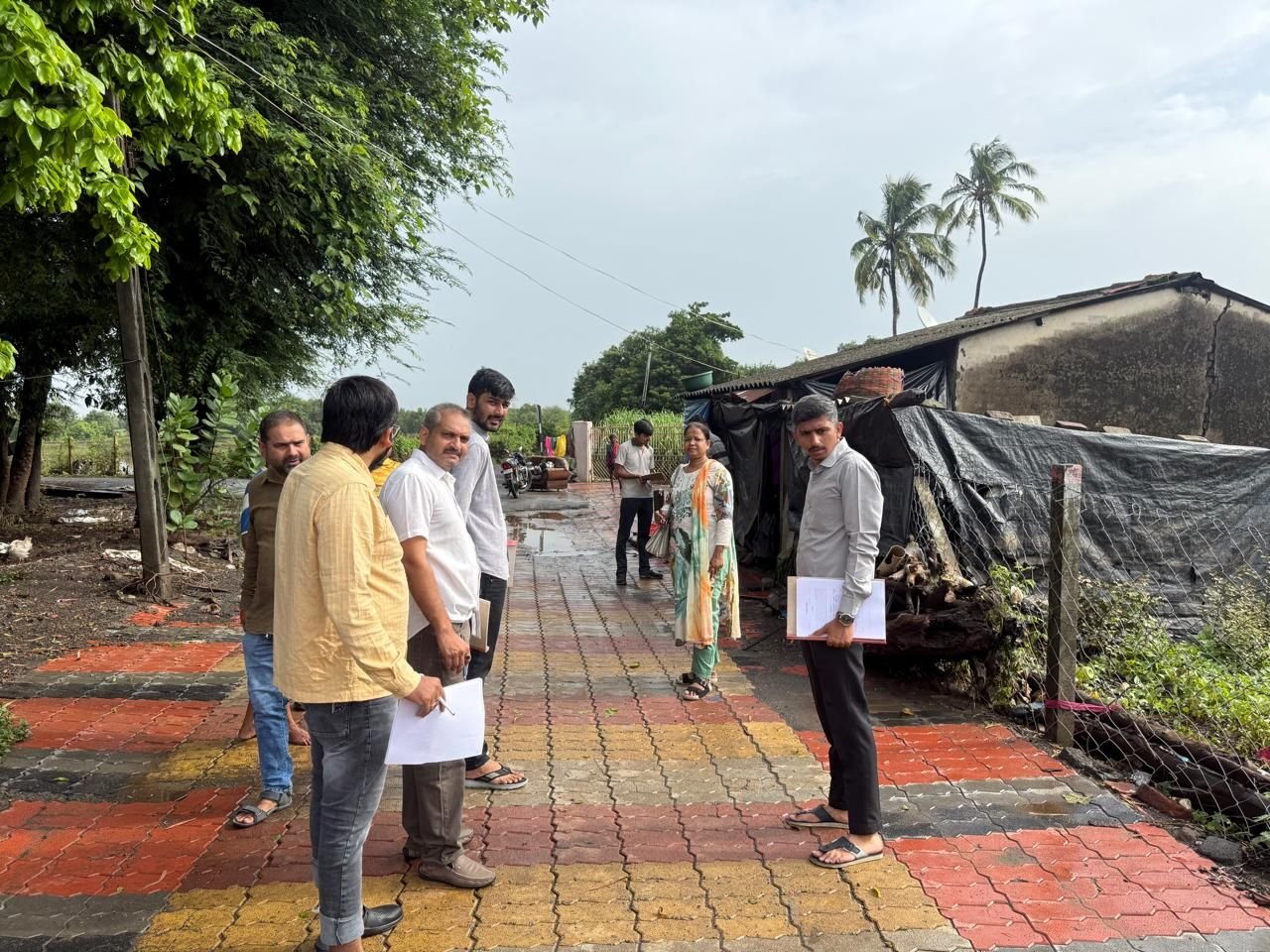
The state of Gujarat is currently navigating the critical recovery phase following a period of intense, widespread flooding that impacted multiple districts. As water levels recede, the state government has shifted its primary focus from emergency rescue operations to large-scale restoration of essential infrastructure and the normalization of regional supply chains. Government officials, including senior leadership, have been conducting on-the-ground assessments to oversee the deployment of resources aimed at rehabilitating rural connectivity and stabilizing affected agricultural zones.
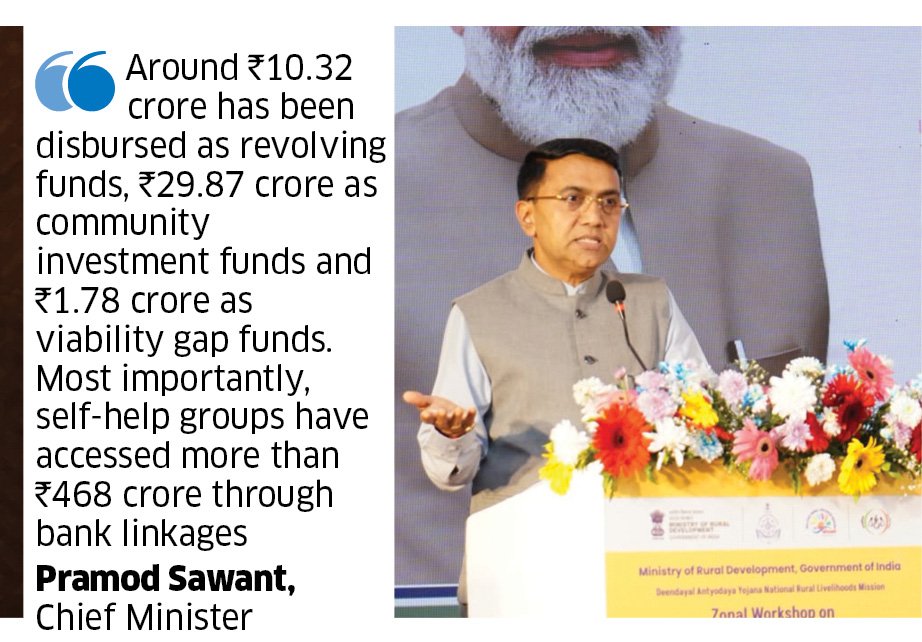
In a recent address, the Chief Minister of Gujarat formally acknowledged the collaborative spirit displayed during the crisis. The administration highlighted the essential role played by volunteer organizations and local media outlets, noting that the synergy between civic groups, government disaster response teams, and the press was instrumental in managing the rapid transition from disaster mitigation to the current restoration phase.
Infrastructure Resilience and Highway Connectivity
One of the most significant challenges faced by the state following the deluge was the disruption of the arterial road network. Flooding frequently leads to the scouring of road bases and the destruction of culverts, which effectively isolates rural farming communities from urban market centers. In the past week, the state public works department has mobilized heavy machinery and engineering teams to address these critical bottlenecks.
Reports from the affected districts indicate that significant progress has been made in clearing debris and performing emergency asphalt repairs on primary state highways. The reopening of these transit corridors is a major milestone, as it allows for the movement of essential goods, including fuel, fodder, and agricultural inputs, which had been stalled due to the weather event. By prioritizing the restoration of these highways, the government aims to prevent further economic stagnation and ensure that the agricultural sector can resume the transport of perishable goods to regional mandis.
The Role of Media and Community Coordination
The Chief Minister’s remarks underscored the importance of transparent communication during natural disasters. By acting as a bridge between the administration and the public, local media outlets were credited with providing real-time updates on water levels, road closures, and the location of relief shelters. This flow of information allowed for more efficient resource allocation, preventing the congestion of emergency routes while ensuring that aid reached the most isolated pockets of the state.
Furthermore, the mobilization of volunteers—ranging from local youth organizations to regional non-profits—provided much-needed manpower for the clearing of blocked drainage channels and the distribution of emergency supplies. This grassroots engagement has been described as a vital component of the state’s disaster management strategy, proving that localized resilience is as essential as high-level government intervention when responding to large-scale hydrological events.
What This Means for Farmers
For the farming community, the ongoing restoration efforts bring both immediate relief and long-term considerations. As highways reopen, farmers should prioritize the following actions to mitigate the economic impact of the floods:
- Supply Chain Resumption: With main roads cleared, producers should coordinate with local transport cooperatives to clear backlogs of produce. Prioritize the movement of perishables to minimize post-harvest losses that may have occurred during the transit stoppage.
- Field Drainage and Soil Health: Farmers are advised to ensure that standing water is drained from fields as quickly as possible to prevent root rot and the development of fungal pathogens. Once the soil reaches a workable moisture level, assess the field for silt deposits that may require mechanical leveling before subsequent planting cycles.
- Input Procurement: As logistics normalize, keep a close watch on the availability of essential inputs such as fertilizers and pesticides. Disruptions in the supply chain often lead to temporary price volatility; staying in contact with local agricultural extension offices will help farmers secure inputs at regulated rates.
- Documentation for Relief: While the government focuses on infrastructure, farmers should maintain meticulous records of crop damage and livestock loss. Proper documentation is essential for accessing potential state-level compensation or insurance claims under existing agricultural protection schemes.
- Monitoring for Pests: High humidity and stagnant water often create ideal conditions for pest infestations. Once operations resume, prioritize scouting crops for early signs of disease or pest pressure that may have been exacerbated by the flooding.