Chief Minister’s Amreli Visit Highlights Regional Cultural Heritage Ahead of Independence Day
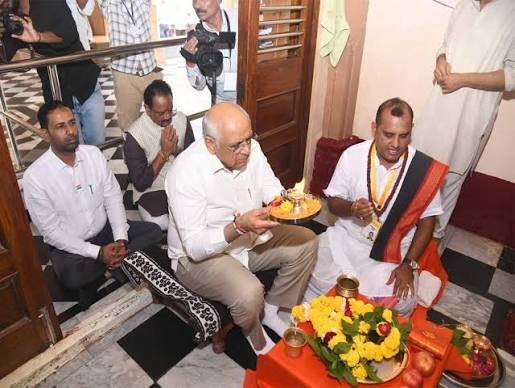
On the eve of India’s 80th Independence Day, Gujarat Chief Minister Bhupendra Patel undertook a significant visit to the historic Shri Nagnath Mahadev Temple in the Amreli district. The visit, which took place amidst heightened preparations for national celebrations across the state, served as a focal point for the local community, underscoring the deep-seated cultural and spiritual heritage that defines the Saurashtra region. The Chief Minister’s presence in Amreli reflects a broader governmental emphasis on engaging with regional centers of tradition as the state prepares to mark a milestone anniversary of national sovereignty.
Upon his arrival, Chief Minister Patel was received by local officials and community leaders. The atmosphere at the temple complex was one of solemnity and reverence as the Chief Minister participated in traditional rituals, including the performance of puja and Jalabhishek—a sacred offering of water to the deity. The event was marked by the rhythmic chanting of Vedic hymns, creating a communal environment that resonated with the local residents who have long viewed the Nagnath Mahadev Temple as a cornerstone of their regional identity. For the people of Amreli, the visit served not only as a spiritual observance but as a symbolic acknowledgment of the district’s historical and cultural contributions to the state of Gujarat.
The Role of Cultural Landmarks in Regional Development
The Shri Nagnath Mahadev Temple stands as more than just a place of worship; it is a vital heritage site that anchors the socio-cultural life of Amreli. Across Gujarat, the preservation and promotion of such historic sites are increasingly viewed as essential components of regional development. By visiting these landmarks, state leadership highlights the importance of maintaining the integrity of cultural assets while simultaneously fostering a sense of civic pride and national unity.
Agricultural and rural districts like Amreli often rely on these communal hubs to foster social cohesion, which is essential for the stability and growth of local economies. When high-level officials engage with such sites, it frequently signals a commitment to the region’s overall welfare, including the infrastructure and social services that support the surrounding agrarian communities. In the context of the upcoming Independence Day, the visit served to bridge the gap between the national narrative of progress and the local traditions that ground the state's diverse population.
What This Means for Farmers
While the visit was primarily cultural and spiritual, the presence of the Chief Minister in an agricultural heartland like Amreli carries implicit weight for the farming community. For farmers and rural stakeholders, such high-level visits provide a rare opportunity to showcase regional concerns directly to state leadership. Below are the practical implications and economic considerations stemming from this engagement:
- Increased Visibility for Rural Infrastructure: High-profile visits often bring focus to the surrounding rural infrastructure. Farmers in Amreli may benefit from renewed attention to road connectivity, irrigation maintenance, and power supply stability, as these are critical for the efficient movement of produce to regional markets.
- Policy Alignment and Dialogue: Administrative visits to key districts facilitate a closer alignment between state-level policy and grassroots requirements. For the farming sector, this means a better platform for addressing challenges related to monsoon preparedness, agricultural credit access, and the implementation of state-sponsored welfare schemes.
- Economic Stability through Social Cohesion: Stability in rural regions is a prerequisite for agricultural productivity. By participating in community-centric events, leadership reinforces a stable social environment, which is vital for farmers to plan their seasonal operations without the disruptions often associated with regional instability.
- Cultural Tourism Opportunities: The promotion of historic sites like the Nagnath Mahadev Temple can stimulate local tourism. For the farming community, this creates secondary revenue streams through the sale of local produce, dairy products, and handicrafts to visitors, thereby diversifying the local rural economy beyond traditional crop cultivation.
As Gujarat marks this significant Independence Day milestone, the intersection of cultural preservation and administrative engagement remains a vital aspect of the state’s governance. For the farmers of Amreli, the Chief Minister’s visit serves as a reminder that their district remains a prioritized part of the state’s broader development agenda, combining the sanctity of tradition with the ongoing pursuit of agricultural and economic prosperity.