Severe Weather Crisis Grips Gujarat: Infrastructure Paralyzed as Heavy Rains Trigger Emergency Operations
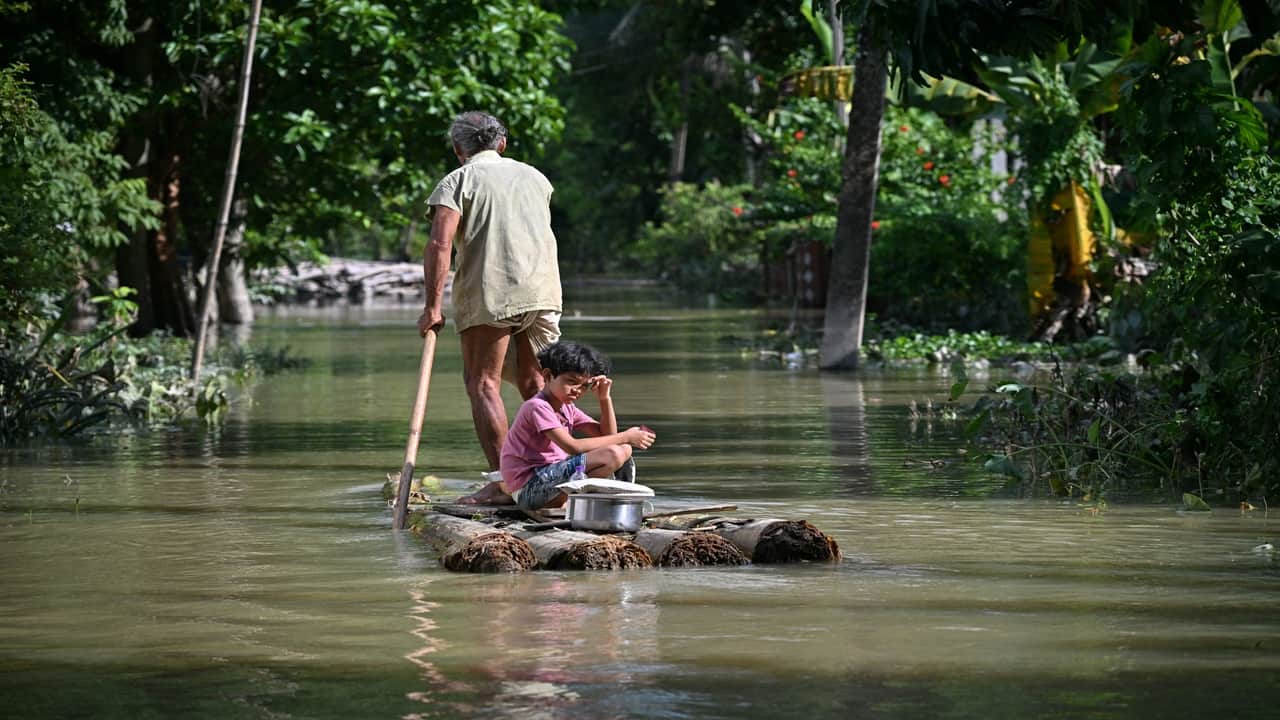
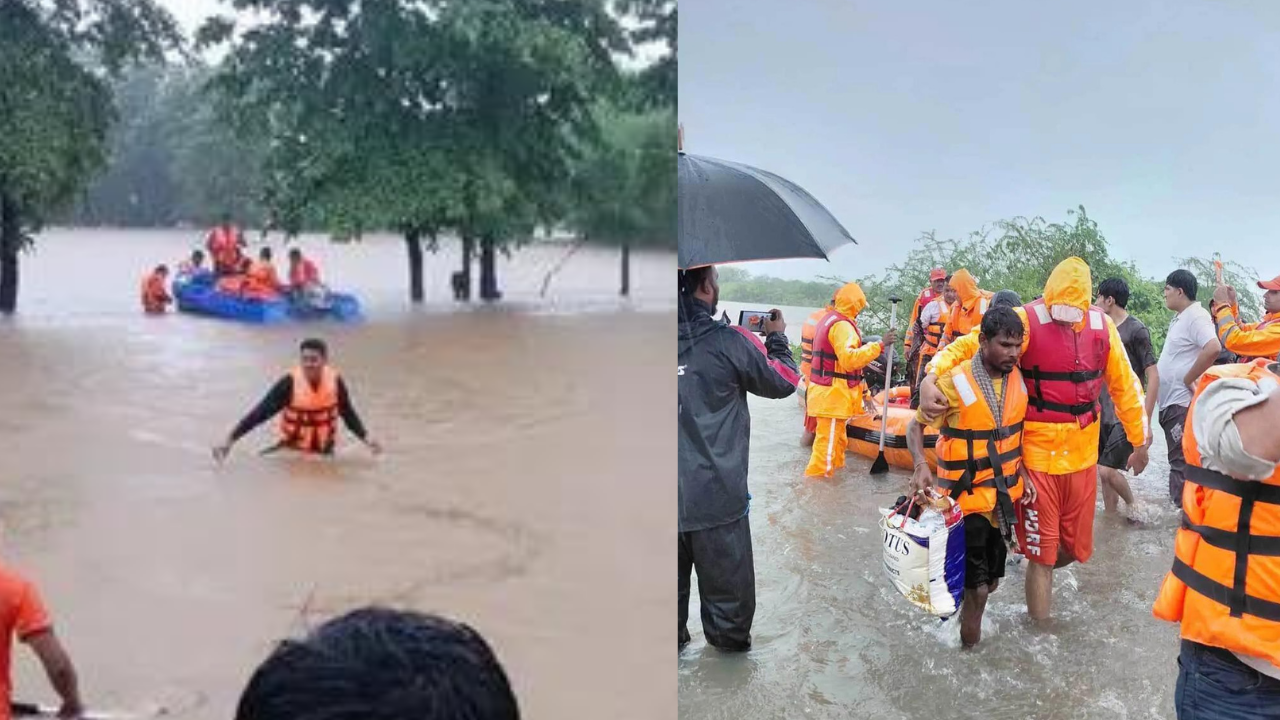
The state of Gujarat is currently grappling with a severe meteorological crisis as relentless monsoon rains have unleashed widespread flooding across multiple districts. The onslaught of precipitation has forced local authorities to initiate large-scale evacuation efforts, with approximately 1,200 individuals rescued from inundated regions in south Gujarat. While the human toll has already been marked by a confirmed fatality, the operational focus remains on disaster mitigation as critical infrastructure, including transport networks and power grids, continues to face significant disruption.
The rainfall intensity has been described by regional meteorological centers as historic, particularly in the district of Valsad. In a staggering display of atmospheric instability, the Umbergaon region recorded over 1,100 mm of rainfall within a truncated 16-hour window. This volume of water has overwhelmed local drainage systems, turning rural roadways into impassable channels and severely impacting rail connectivity. In response to the escalating danger, the state government has mobilized a multi-agency task force, including the National Disaster Response Force (NDRF), the State Disaster Response Force (SDRF), the Indian Air Force (IAF), and the Indian Coast Guard, all of which remain on high alert to conduct search and rescue operations in low-lying areas.
Infrastructure Strain and Educational Disruptions
The logistical impact of the deluge extends far beyond the immediate flood zones. Major arterial roads have been rendered unusable due to waterlogging, creating bottlenecks that hinder the movement of emergency supplies and agricultural logistics. Power supply networks, sensitive to high-wind and water damage, have experienced intermittent failures, further complicating the response efforts in rural hinterlands. The systemic nature of these disruptions has necessitated a preemptive approach to public safety, resulting in the mandatory closure of all schools and colleges in the Vadodara and Dahod districts for the coming days.
Meteorological experts attribute the current phenomenon to a persistent low-pressure system that has anchored itself over the region, drawing moisture from the Arabian Sea. With "Red Alerts" remaining in effect for several districts, the state administration is urging residents to avoid unnecessary travel and to move to higher ground if they reside in flood-prone areas. The coordination between the IAF and state authorities has been crucial in reaching isolated communities, though the continued heavy rainfall remains a significant hurdle to full-scale restoration efforts.
What This Means for Farmers
For the agricultural community, the current weather event presents a high-stakes challenge that extends well beyond the immediate flood crisis. The sheer volume of water—exceeding 1,100 mm in less than a day—threatens the viability of standing crops, particularly in the low-lying plains of south Gujarat where soil saturation is reaching critical levels.
Practical Impacts and Economic Consequences:
- Crop Inundation and Root Rot: Prolonged waterlogging is detrimental to most Kharif crops. Farmers should prioritize field drainage as soon as conditions permit to prevent root rot and the development of fungal pathogens.
- Nutrient Leaching: Heavy rainfall leads to the leaching of essential nitrogen and other mobile nutrients from the root zone. Once the water recedes, farmers may need to consult with local extension officers regarding supplementary fertilization to compensate for soil nutrient depletion.
- Infrastructure Damage: Beyond crop loss, damage to farm equipment, irrigation pipelines, and storage facilities requires immediate assessment. Farmers are advised to document any damages through photographic evidence, as this will be essential for insurance claims and potential government compensation packages.
- Livestock Safety: Ensuring the safety of livestock remains a priority. Moving animals to elevated ground and securing fodder supplies that have not been contaminated by floodwaters is critical to preventing post-flood disease outbreaks.
- Long-term Planning: As the monsoon season continues, the current event highlights the necessity of investing in improved land leveling and drainage infrastructure. Growers should monitor local agricultural advisories closely, as the aftermath of such events often brings a higher risk of pest infestations and plant disease outbreaks, necessitating proactive monitoring and potential protective measures.
While the immediate priority is the preservation of life and property, the agricultural sector must prepare for a period of recovery. Farmers are encouraged to maintain close contact with local agricultural cooperatives and district authorities to stay informed about relief measures and recovery support as the state transitions from the emergency response phase to damage assessment.