Amreli District Launches Ambitious Green Initiative Ahead of Independence Day
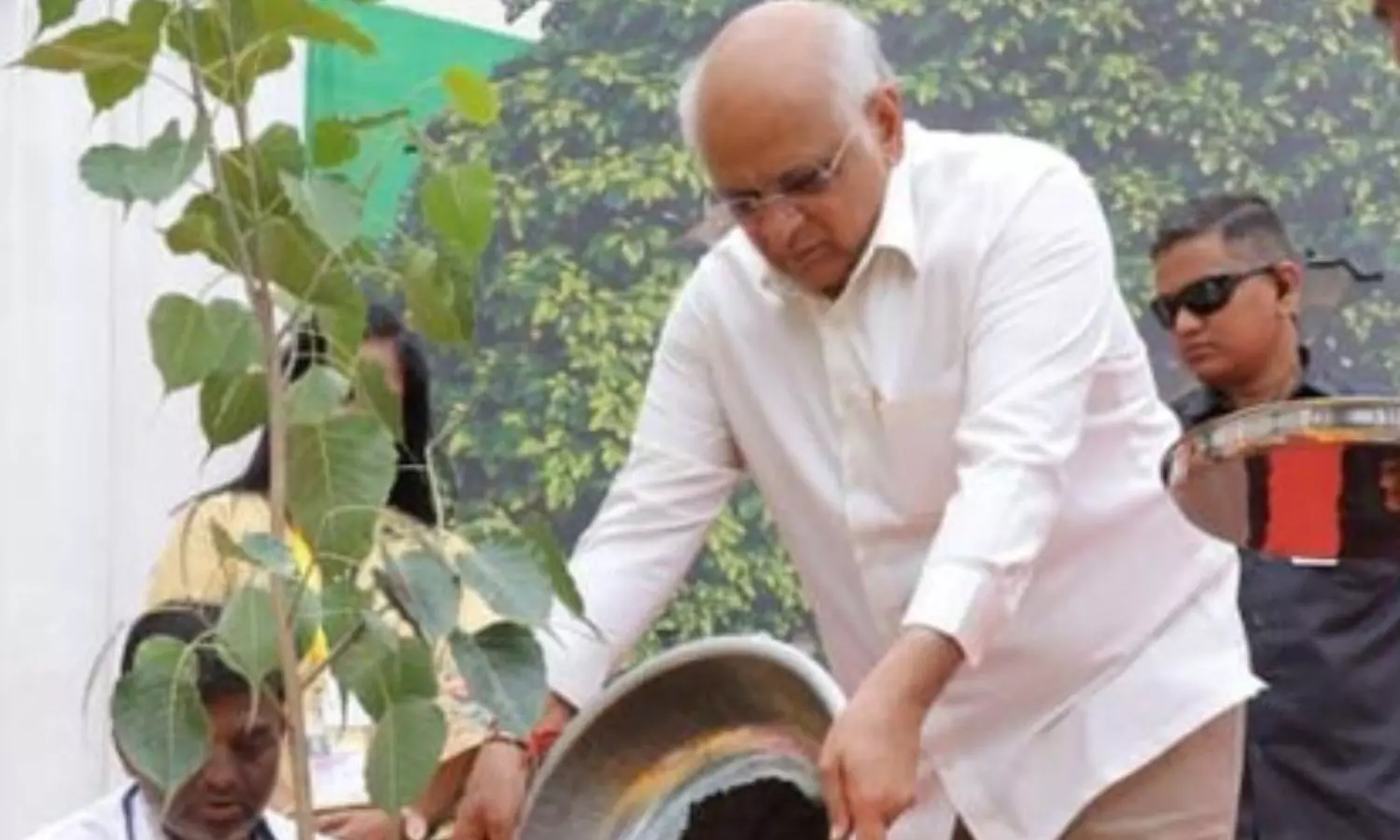
In a significant move toward environmental sustainability and urban ecological restoration, the Amreli district administration has officially inaugurated a major plantation campaign. The initiative, which seeks to bolster the region’s green cover, was launched at the Shelter House facility located on Savarkundla Road. By leveraging strategic funding from the District Mineral Foundation (DMF), local authorities are aiming to transform underutilized urban spaces into vibrant, life-sustaining ecosystems.
The campaign, which gained momentum in the days leading up to Independence Day, is part of a broader commitment to long-term climate resilience. By prioritizing the development of an "Oxygen Park," the municipality is not merely engaging in symbolic planting but is actively working to mitigate the urban heat island effect, improve local air quality, and enhance the aesthetic and environmental value of the district’s infrastructure.
Strategic Resource Allocation and Environmental Impact
The success of this green drive is underpinned by the effective utilization of the District Mineral Foundation (DMF) scheme. Originally designed to provide for the welfare of communities affected by mining-related operations, the DMF funds have been redirected here to address the urgent need for environmental remediation and public health improvements. By channeling these financial resources into large-scale afforestation, the Amreli Municipality is demonstrating a model of sustainable development that aligns industrial accountability with ecological necessity.
The "Oxygen Park" project is designed as a multi-layered botanical space. Rather than relying on monoculture, the plantation strategy emphasizes the inclusion of native species known for their high carbon sequestration rates and adaptability to the semi-arid climate of the Saurashtra region. These species are selected not only for their survival rates during the harsh summer months but also for their ability to provide shade, habitat for local bird species, and natural air filtration for the surrounding urban neighborhood.
Building a Sustainable Infrastructure for Future Generations
The choice of the Shelter House on Savarkundla Road as the primary site for this launch is particularly notable. By integrating green spaces into public welfare facilities, the administration is ensuring that the benefits of the project—such as improved air quality and reduced ambient temperatures—are directly accessible to the community members who use these facilities. This approach fosters a sense of public ownership, which is essential for the long-term maintenance and survival of the saplings planted during the campaign.
Furthermore, the initiative serves as a blueprint for other municipalities in the region. As climate patterns become increasingly unpredictable, local governments are under growing pressure to incorporate "green infrastructure" into their urban planning. The Amreli model highlights how administrative coordination, combined with targeted financial support, can lead to measurable improvements in the local microclimate, effectively turning barren or neglected land into functional, productive green assets.
What This Means for Farmers
While the current "Oxygen Park" initiative is focused on urban and semi-urban settings, the implications for the broader agricultural community in Amreli are significant. Farmers should view this move as a signal of shifting policy priorities toward environmental stewardship. Practical takeaways for the agricultural sector include:
- Microclimate Regulation: Increased tree cover in peri-urban areas contributes to localized moisture retention and a reduction in wind speed, which can create more favorable conditions for adjacent agricultural plots.
- Biodiversity and Pest Control: The establishment of diverse, native tree corridors provides natural habitats for beneficial insects and birds, which act as biological control agents for crop-damaging pests, potentially reducing the reliance on chemical pesticides.
- Soil Health and Water Retention: The principles being applied in the Oxygen Park—such as soil enrichment and the use of hardy, indigenous plant varieties—are equally applicable to farm-based agroforestry. Farmers are encouraged to explore similar plantation efforts on field boundaries or non-arable patches of land to improve overall farm resilience.
- Access to Funding Models: The successful use of DMF funds for greening projects suggests that farmers’ cooperatives and local agricultural bodies should engage more closely with district-level administrators to seek similar support for farm-based ecological projects, such as windbreaks, buffer zones, or water-harvesting vegetation.
Ultimately, the Amreli green drive underscores that environmental health is the foundation of agricultural productivity. By supporting and replicating these efforts, the rural economy can better position itself against the challenges of climate variability and land degradation.