Rapid Infrastructure Recovery: Gujarat Restores 94 Percent of Flood-Hit Road Network
In a significant logistical operation following one of the most intense rainfall episodes of the current monsoon season, the Gujarat state government has successfully restored connectivity across the vast majority of its affected road network. Between July 23 and 27, the state experienced torrential downpours that triggered widespread waterlogging and structural damage, necessitating the closure of 1,540 roads to ensure public safety. According to the latest data released by the state’s Roads and Buildings Department, 1,451 of these routes—amounting to 94 percent of the total closures—have been repaired and reopened to vehicular traffic.
A Strategic Response to Monsoon Disruptions
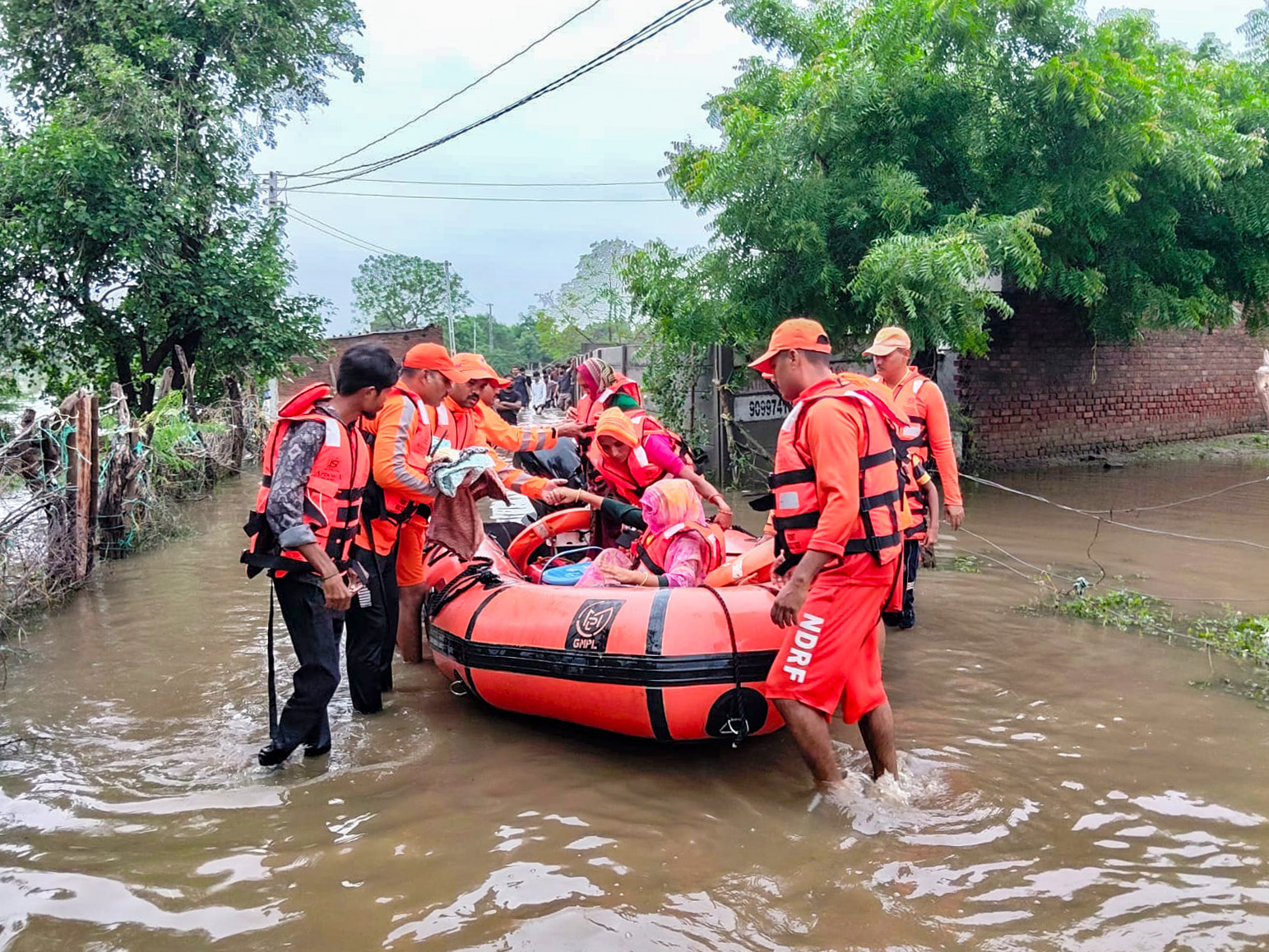
The swift restoration of critical transport links was the result of a comprehensive “four-pillar strategy” mandated by the state leadership. Recognizing that road connectivity is the lifeblood of rural and agricultural economies, the government mobilized a workforce of over 1,400 personnel, including a dedicated team of 145 technical officers and 1,316 ground labourers. This workforce operated on a 24-hour cycle to clear debris, reinforce water-damaged embankments, and restore surface integrity.
The scale of the mobilization was substantial, involving more than 300 heavy-duty vehicles, including 195 JCB excavators, 86 tractors, and 59 dumpers. This machinery was strategically deployed to clear arterial routes that had been rendered impassable by floodwaters and sediment deposits. The effort was directed from the State Flood Control Cell in Gandhinagar, which provided real-time oversight, with two-hour interval monitoring ensuring that resources were shifted dynamically to the areas of greatest need. In the hardest-hit regions of South Gujarat—specifically Surat, Navsari, and Valsad—the department achieved a 98 percent restoration rate within 48 hours, highlighting the effectiveness of localized command bases.
Ensuring Structural Safety Beyond Surface Repairs
While the immediate priority was the restoration of vehicular flow, the Roads and Buildings Department also initiated a rigorous safety assessment program. Understanding that floodwaters often compromise the hidden structural integrity of civil works, the government dispatched six specialized design teams from Gandhinagar. These teams are tasked with conducting forensic structural audits of bridges and government buildings in the most severely affected districts.
Furthermore, the department demonstrated a high level of responsiveness to public and media-reported infrastructure issues. By actively monitoring reports from news organizations, officials identified and repaired approximately 120 additional road sections that had not been captured in the initial damage assessments. This collaborative approach between the state, the media, and local communities ensured that even minor, isolated disruptions were addressed with the same urgency as major highways.
What This Means for Farmers
The restoration of these road networks is a critical development for the agricultural sector, where timing is often the difference between profit and loss. The practical implications for the farming community include:
- Market Access: The reopening of 94 percent of the road network ensures that farmers can once again transport perishable produce and livestock to local mandis and processing centers, preventing post-harvest losses that often occur during prolonged transit delays.
- Input Supply Chain: With logistics restored, the delivery of essential agricultural inputs—such as fertilizers, seeds for subsequent sowing cycles, and animal feed—can resume, mitigating potential supply shortages caused by the heavy rains.
- Emergency Logistics: The quick clearing of rural connectivity routes is vital for the movement of veterinary services and disaster response teams, providing a safety net for livestock and farm assets during future weather events.
- Economic Stability: By prioritizing the repair of rural and secondary roads, the government has reduced the long-term economic impact on smallholder farmers, who are disproportionately affected by transport bottlenecks.
Farmers are advised to continue monitoring their local road conditions and to report any lingering structural concerns or water-damaged segments to their local administrative offices. As the monsoon continues, the structural integrity of rural roads remains a key priority for maintaining the resilience of the state’s agricultural supply chain.