The Paradox of Prosperity: Madhya Pradesh’s Hidden Nutritional Crisis
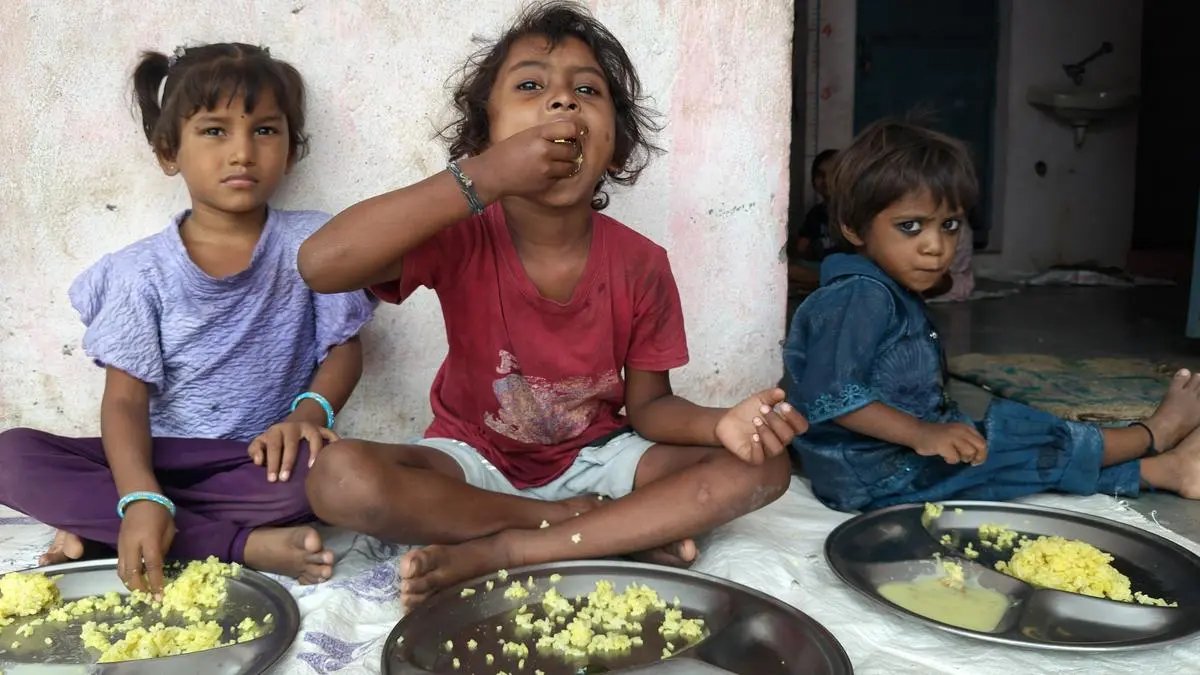
Madhya Pradesh has long been heralded as a cornerstone of India’s agricultural success story. Year after year, the state achieves record-breaking grain production, consistently securing its position as a primary contributor to the national food security buffer. From vast wheat fields to sprawling pulse plantations, the state’s economic indicators often point toward a trajectory of robust growth and agricultural modernization. However, beneath the veneer of soaring state GDP and bumper harvest reports lies a sobering reality that threatens the long-term future of the region: a pervasive and persistent nutritional crisis affecting the most vulnerable members of the population.
While silos overflow and export markets thrive, a significant demographic of children across the state is quietly falling behind. The metrics of public health reveal a stark disconnect between the abundance of food produced and the actual nutritional intake of rural households. High rates of stunting—where a child’s height is low for their age—and wasting—where a child’s weight is dangerously low for their height—persist as systemic issues. This silent crisis is not merely a matter of caloric deficit; it is a complex manifestation of long-term nutritional neglect that risks creating a cycle of intergenerational poverty and diminished human potential.
The Structural Disconnect in the Agricultural Supply Chain
The agricultural landscape of Madhya Pradesh is heavily skewed toward high-yield commodity crops, primarily wheat and soy, which are essential for industrial processing and national distribution. While this focus drives the state’s macro-economic performance, it creates a structural imbalance in local food systems. The emphasis on cash crops and staples for market export often comes at the expense of dietary diversity. When rural farming households prioritize market-bound commodities over the cultivation of nutrient-dense, locally consumed vegetables, fruits, and diverse pulses, the quality of the household diet inevitably suffers.
Furthermore, the logistical infrastructure of the state is designed to transport grain away from the fields and into the national procurement network. This "export-oriented" model of farming leaves local markets vulnerable to fluctuations in food prices. Even in regions where agricultural output is at an all-time high, the inability of low-income families to access diverse, micronutrient-rich food creates a paradox where parents work in fields of plenty while their children face the physiological consequences of malnutrition. The reliance on a narrow range of staples, while efficient for GDP growth, fails to address the "hidden hunger" caused by a lack of essential vitamins and minerals.
The Long-Term Socio-Economic Consequences
The implications of chronic malnutrition extend far beyond the immediate health challenges faced by children. Stunting and wasting are not isolated medical events; they are markers of developmental setbacks that alter the life course of a child. Research consistently demonstrates that early-childhood malnutrition leads to cognitive deficits, reduced school performance, and, ultimately, lower productivity in the adult workforce. When a significant portion of a state’s youth is physically and cognitively compromised, the future labor force is fundamentally weakened.
This demographic shift poses a significant threat to the state’s future economic stability. As Madhya Pradesh seeks to transition toward more value-added agricultural processing and service-based industries, it requires a healthy, capable, and educated workforce. If the foundational health of children is sacrificed in the pursuit of current production records, the state risks trading its long-term human capital for short-term statistical gains. The "seen" progress of the balance sheet is currently being overshadowed by the "unseen" erosion of human health, creating a drag on economic development that will become increasingly difficult to rectify as the current generation enters adulthood.
What This Means for Farmers
For the farming community, this crisis underscores a critical need to re-evaluate the traditional definition of agricultural success. While high-volume production remains essential for income, farmers must consider the following impacts and strategic adjustments:
- Diversification of Production: Farmers are increasingly encouraged to integrate high-value, nutrient-dense crops—such as horticultural produce and bio-fortified varieties—into their existing rotation cycles. This not only improves household nutrition but also buffers farmers against the price volatility of single-commodity markets.
- The Value of Local Markets: Strengthening direct-to-consumer farm gates and local supply chains can help ensure that healthy food stays within the community. Reducing the distance between the farm and the kitchen is a vital step in improving rural nutritional outcomes.
- Agricultural Policy Advocacy: Farmers play a pivotal role in shaping state policy. Advocating for agricultural incentives that reward nutritional quality alongside caloric yield is essential for long-term sustainability. Policy shifts that support smallholder farmers in growing diverse crops can lead to more resilient rural economies.
- Economic Resilience: A healthy community is a more productive community. Addressing local nutritional needs is an investment in the future labor force. Farmers who prioritize the health of their families and their communities are essentially investing in the long-term viability of their own enterprises, ensuring that the next generation is equipped to manage and innovate within the agricultural sector.