The El Niño Paradox: Why Cloud Cover Persists Despite Forecasted Monsoon Deficits
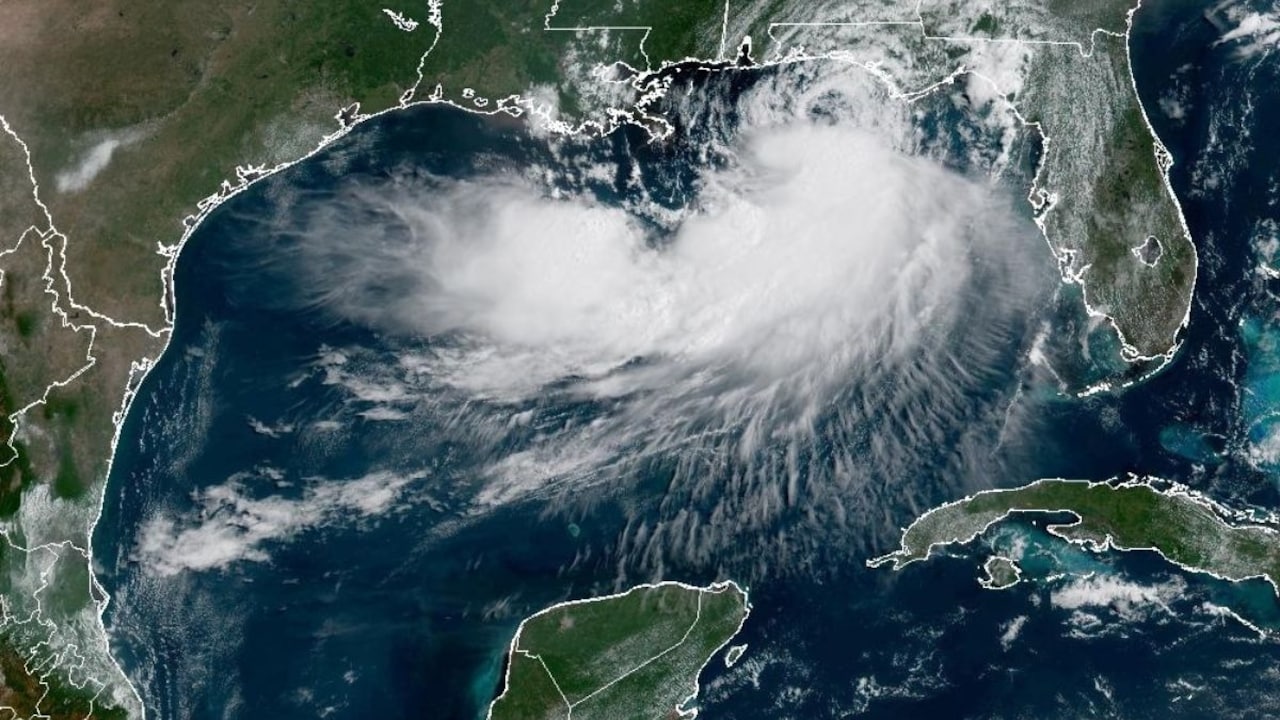
For weeks, agricultural meteorologists and commodity analysts have been bracing for the impacts of a "Godzilla" El Niño—a climate pattern historically synonymous with suppressed rainfall and drought conditions across the Indian subcontinent. Conventional climate modeling suggests that the warming of the central and eastern tropical Pacific should disrupt the moisture-laden winds that drive the southwest monsoon, leading to a drier-than-average season. Yet, an unprecedented meteorological phenomenon has left experts puzzled: nearly 95% of India is currently blanketed in dense, persistent cloud cover, defying the traditional atmospheric expectations associated with a high-intensity El Niño event.
This anomaly has created a complex environment for Indian agriculture, where the timing and intensity of rainfall are the primary determinants of food security and rural economic stability. While cloud cover often precedes precipitation, the current situation suggests a decoupling of atmospheric moisture retention from actual ground-level rainfall, leaving farmers and policymakers to navigate a climate scenario that standard historical models struggle to explain.
Understanding the Atmospheric Disconnect
At the heart of this mystery lies the intricate dance between global sea surface temperatures and regional atmospheric circulation. Typically, an El Niño event triggers a "seesaw" effect in atmospheric pressure, which inhibits the convective activity necessary for heavy monsoon downpours. However, current observations suggest that secondary climatic drivers—such as the Indian Ocean Dipole (IOD) or shifting jet stream patterns—may be exerting a stronger influence than the Pacific warming alone.
Meteorologists are examining whether these secondary factors are "trapping" moisture in the mid-to-upper atmosphere. When clouds form but fail to release precipitation, it often indicates an atmospheric inversion or a lack of the specific vertical wind shear required to turn water vapor into meaningful rainfall. This creates a "gray drought" scenario: the sky remains overcast, providing some relief from extreme heat, yet the soil moisture levels continue to deplete because the expected volumetric rainfall is not reaching the crops. This phenomenon highlights the growing limitations of relying solely on Pacific El Niño indicators to forecast regional agricultural outcomes.
The Impact on Crop Phenology and Growth Cycles
The persistence of cloud cover has significant implications for the biological development of staple crops. While the shade provided by heavy cloud layers can reduce evapotranspiration rates—potentially saving crops from immediate heat stress—it also limits the total solar radiation reaching the canopy. Photosynthesis is a light-dependent process; when cloud cover remains constant for extended periods, the rate of biomass accumulation in crops like paddy, pulses, and oilseeds can slow significantly.
Furthermore, high humidity levels trapped beneath a persistent cloud deck can create a breeding ground for fungal pathogens and pests. In several regions, agricultural extension services are already monitoring for increased instances of blight and rust, which thrive in the damp, low-light conditions currently characterizing much of the landscape. For farmers, this represents a double-edged sword: the crops are being spared from the scorching sun, but they are simultaneously being exposed to an increased risk of disease and potential yield stagnation due to reduced solar energy.
What This Means for Farmers
The current meteorological uncertainty necessitates a shift in traditional farm management strategies. Farmers should be prepared for a season where conventional rain-fed irrigation schedules may prove unreliable. The primary economic consequence is the increased cost of production; as natural rainfall remains inconsistent, reliance on groundwater extraction and supplemental irrigation will likely rise, putting additional pressure on energy consumption and operating budgets.
Actionable advice for the current season includes:
- Prioritize Moisture Conservation: Utilize mulching techniques to preserve existing soil moisture, even in overcast conditions, as the lack of direct sunlight can be misleading regarding the rate of soil drying.
- Monitor for Fungal Threats: Increased humidity without heavy, cleansing rainfall creates ideal conditions for pathogens. Proactive scouting for leaf spots, molds, and fungal infections is essential. If necessary, consult with local agricultural extension offices regarding the prophylactic application of fungicides.
- Optimize Fertilizer Application: In low-light conditions, the nutrient uptake efficiency of crops may fluctuate. Avoid over-fertilizing during prolonged cloudy spells, as the plants' ability to synthesize these nutrients into growth is hampered by the lack of solar energy.
- Diversify Water Sources: Given the unpredictability of the monsoon, farmers should look to maximize the efficiency of existing water storage systems and prioritize the irrigation of high-value or high-water-demand crops during peak growth stages.
Ultimately, the "Godzilla" El Niño serves as a stark reminder that climate patterns are rarely monolithic. Farmers must remain agile, relying on hyper-local weather monitoring and crop-specific management techniques rather than broad, national-level forecasts that may not reflect the reality on the ground.