Urdu Press Perspectives: Patriotism and the Role of Youth Questioning
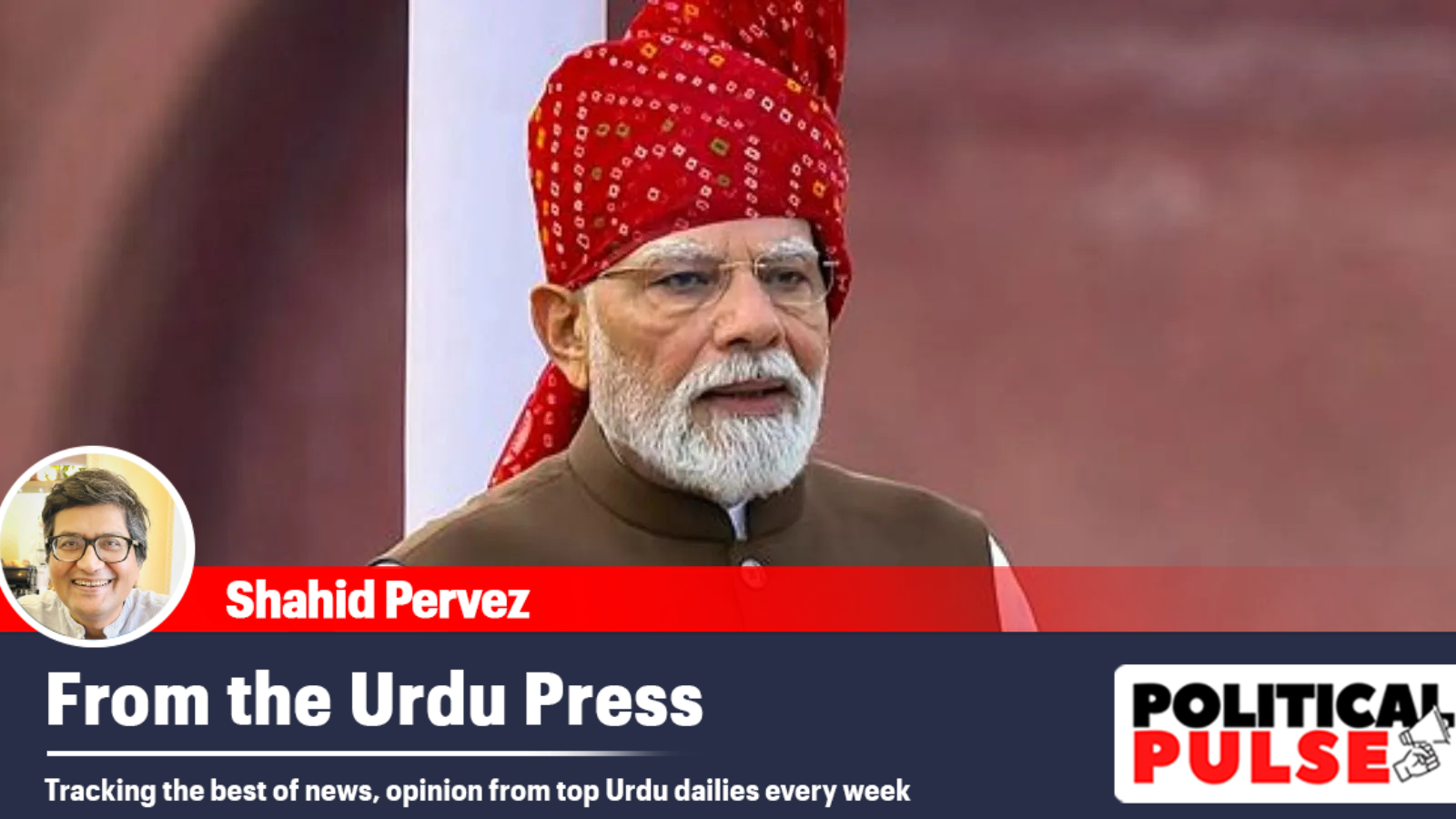
Recent commentary appearing in the Urdu Times has brought attention to the evolving relationship between the nation's youth and the government. As the country marks its independence, discussions in the Urdu press have focused on the importance of free expression and the responsibility of the state to engage with the concerns raised by the younger generation.
The Essence of Independence and Free Expression
The core of the discourse presented by the Urdu Times centers on the definition of patriotism in a democratic society. According to the publication, the act of questioning the government should not be viewed as an act against the nation. Instead, the newspaper argues that the ability for citizens—particularly the youth—to voice their concerns is a fundamental component of the country's independence.
“Patriotism does not mean silence. The youth are asking the government to address their concerns, which it must do rather than making jibes to intimidate them. The freedom to ask questions is the essence of our independence day,” writes Urdu Times.
Addressing Youth Concerns
The Urdu Times highlights a shift in how the government interacts with protesting or questioning youth. The publication suggests that rather than dismissing these concerns or using language intended to intimidate those who speak out, the government has a responsibility to actively address the issues being raised.
The commentary emphasizes a few key points regarding this dynamic:
- Patriotism is not equated with silence: The act of remaining quiet is not a requirement for being a patriot.
- The right to question: The freedom to ask questions is described as a core value of the nation’s independence.
- Government accountability: The publication advocates for the government to engage with the issues brought forward by the youth rather than resorting to dismissive or intimidating tactics.
The Role of Media and Public Discourse
The perspective offered by the Urdu Times serves as a reminder of the role the press plays in facilitating dialogue between the state and its citizens. By highlighting the tension between youth activism and government responses, the publication underscores a broader debate about democratic values, the right to dissent, and the importance of addressing the grievances of the younger population in a constructive manner.
As these discussions continue, the focus remains on how the government chooses to respond to the voices of the youth and whether that response fosters an environment of open dialogue or one of intimidation.