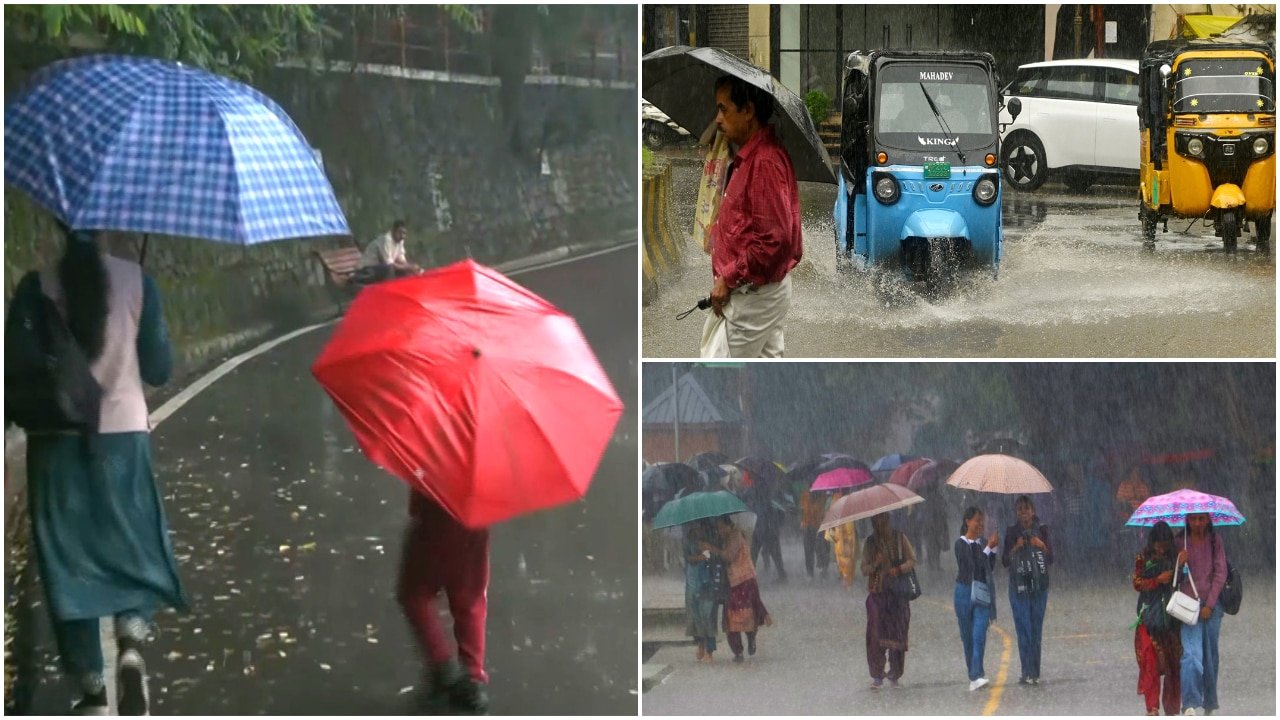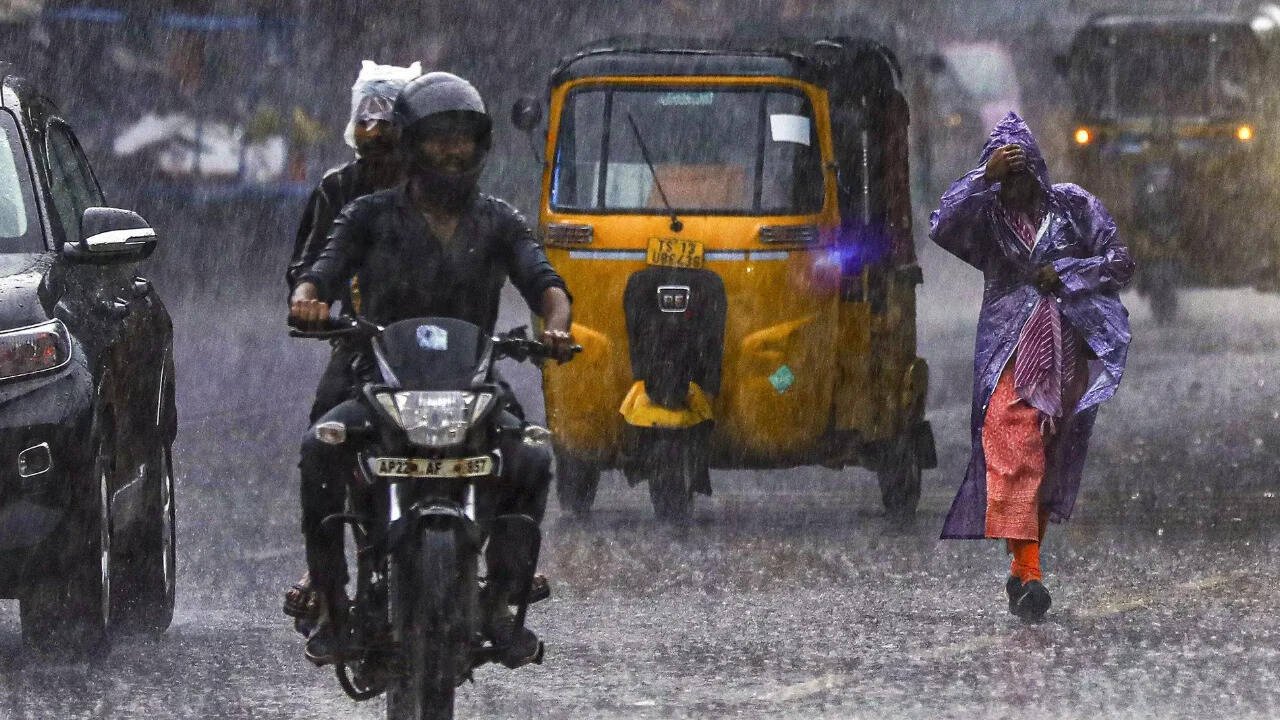
Monsoon Intensifies Across India: Meteorological Department Issues Widespread Alerts
The India Meteorological Department (IMD) has issued a series of urgent advisories as the monsoon trough shifts, bringing a fresh and intense spell of rainfall across vast stretches of the country. From the rugged peaks of the Himalayas to the lush landscapes of the Northeast, weather patterns indicate a significant surge in precipitation that is set to persist throughout the coming week. This meteorological shift marks a critical period for both regional infrastructure and the agricultural sector, as heavy to very heavy rainfall is anticipated across multiple states.
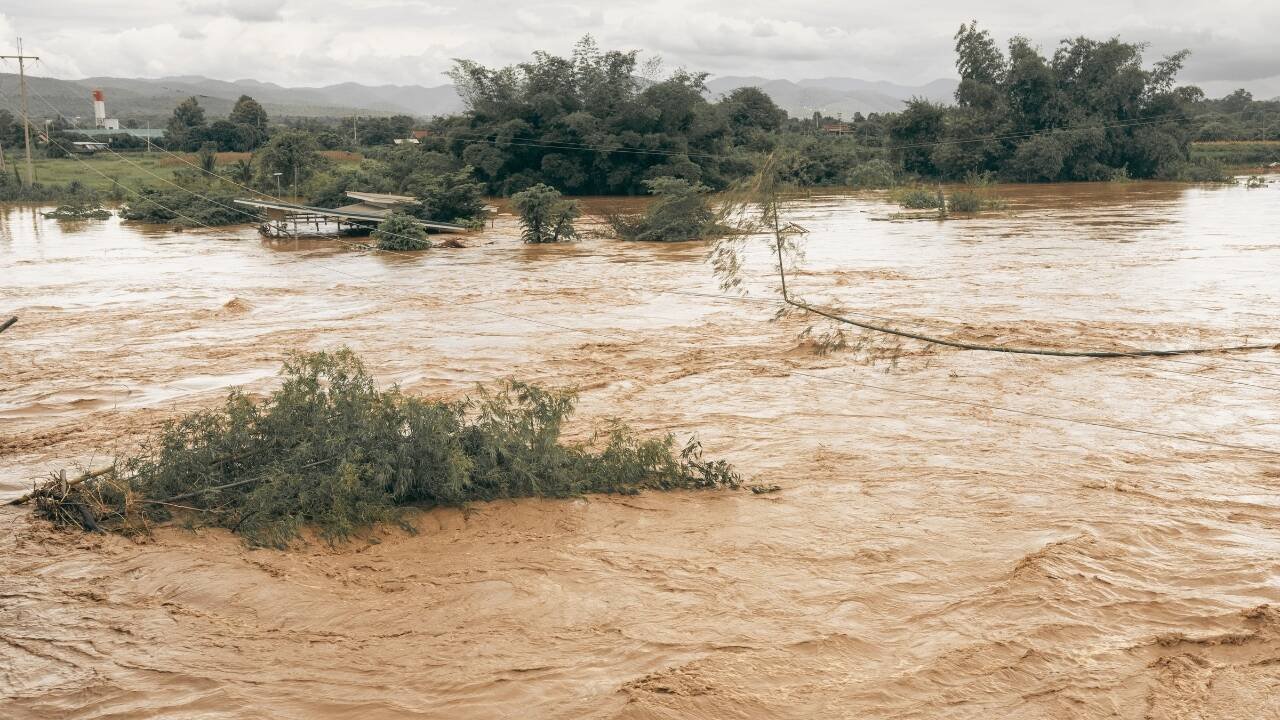
The current weather system is characterized by high-moisture influx, which is expected to trigger widespread downpours. In the Himalayan belt, the IMD has raised the alert level to a high-risk assessment for flash floods, particularly over the next twenty-four hours. These regions, which are geologically sensitive, face heightened threats of landslides and slope instability. Simultaneously, the Northeastern states are bracing for sustained precipitation, which could further saturate soil profiles that are already near capacity following earlier monsoon cycles.
Geographical Scope and Risk Assessment
The intensity of the current monsoon spell is being driven by a confluence of atmospheric conditions that are directing moisture-laden winds toward the northern and eastern frontiers. In the Himalayan regions, the combination of steep terrain and heavy rainfall creates a precarious environment. Authorities have warned that the rapid accumulation of water in mountainous catchments can lead to sudden, high-velocity flash floods, posing a direct threat to local communities and transit corridors.
For the Northeast, the challenge is one of sustained volume. Unlike the sudden, high-impact events seen in mountainous zones, the Northeastern regions are facing an extended period of rainfall that risks causing widespread waterlogging. This prolonged saturation of the land can lead to the breaching of local embankments and the disruption of rural connectivity. The IMD’s forecasts suggest that this trend of heavy rainfall is not an isolated event but rather a sustained period of activity that will likely impact urban centers and agricultural hubs alike, necessitating a high state of vigilance from disaster management agencies.
Logistical and Transport Disruptions
Beyond the immediate environmental risks, the impending weather pattern is expected to cause significant logistical bottlenecks. The IMD has explicitly cautioned travelers to anticipate disruptions, particularly in areas prone to waterlogging and landslide-induced road closures. In hilly terrains, even moderate rainfall can trigger rockfalls, effectively severing key transport arteries that serve as lifelines for essential goods and agricultural produce.
Public transport and private travel plans are likely to face delays as authorities implement safety measures, including the potential suspension of services on vulnerable routes. For the logistics sector, this means a likely slowdown in the movement of perishables and equipment. As water levels rise in low-lying areas, the risk of road damage increases, potentially leading to long-term maintenance hurdles that extend well beyond the immediate duration of the rainfall.
What This Means for Farmers
For the farming community, this intense monsoon phase presents a complex set of challenges and operational requirements:
- Crop Management and Drainage: The primary concern during periods of heavy, sustained rain is the prevention of waterlogging. Farmers are advised to ensure that field drainage channels are clear of debris to prevent root rot and the suffocation of standing crops. In low-lying areas, the use of water pumps may be necessary to mitigate damage to delicate seasonal plantings.
- Pest and Disease Proliferation: High humidity and standing water are ideal conditions for the rapid spread of fungal pathogens and specific crop pests. Producers should monitor their fields closely for early signs of blight, rust, or increased insect activity, and be prepared to implement protective measures as soon as weather conditions allow.
- Logistical Preparedness: With transport routes potentially facing closures due to landslides or flooding, the supply chain for inputs—such as fertilizers and seeds—may be delayed. Farmers should secure their necessary supplies well in advance and consider the storage of harvested produce in elevated, moisture-proof facilities to prevent spoilage during transit delays.
- Livestock Safety: Ensure that livestock are sheltered in elevated, well-ventilated structures. The risk of waterborne diseases increases significantly during heavy rainfall; maintaining clean, dry bedding and monitoring water sources for contamination is essential to herd health.
- Risk Mitigation: Keep in close contact with local agricultural extension services and monitor official weather updates. Making decisions based on hyper-local forecasts rather than generalized national reports can help in timing critical activities like harvesting or nutrient application to avoid the peak of the storm.