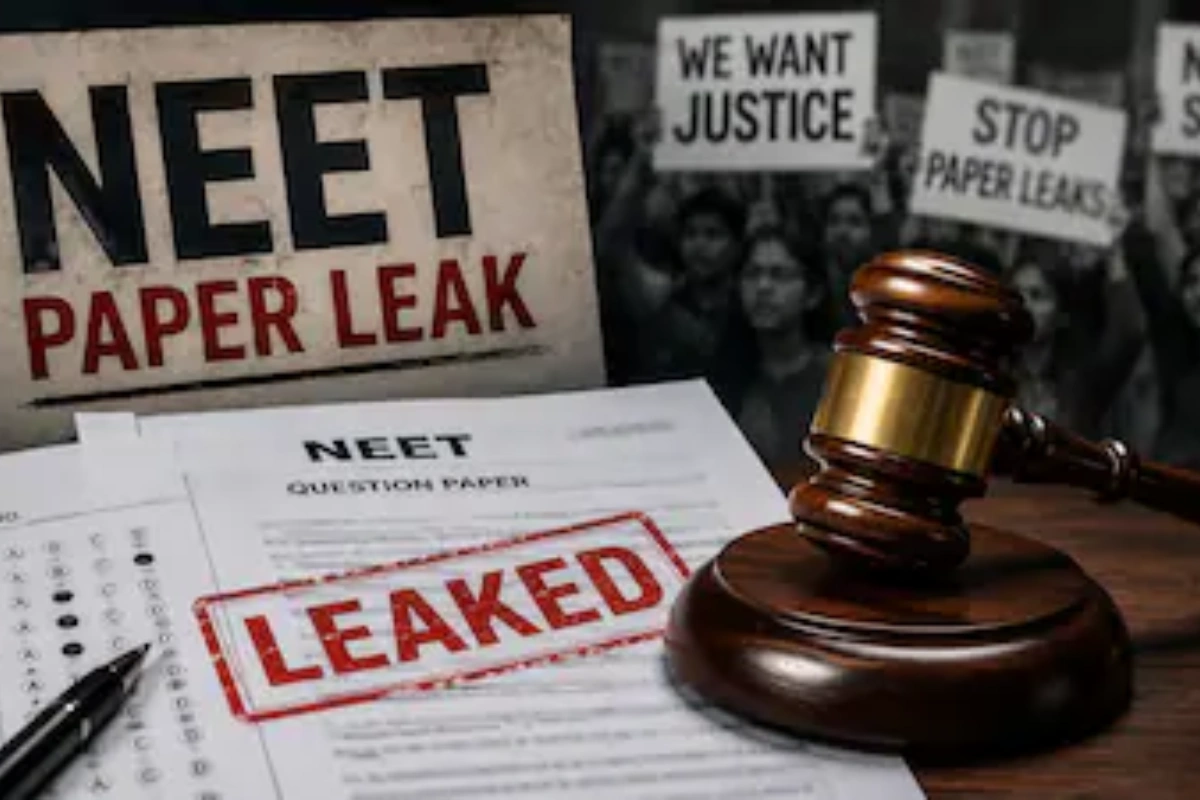
Restoring Integrity to the Testing Ecosystem: The Anti-Paper Leak Bill 2026
The academic landscape in India is currently grappling with a crisis of confidence. Following the cancellation of the NEET-UG 2026 examination—a high-stakes event that saw over 2.27 million aspirants prepare for months only to have their efforts nullified just nine days post-exam—the nation is once again confronting the systemic fragility of its recruitment and entrance testing infrastructure. When investigators confirmed that leaked "guess papers" aligned with the actual exam content, it confirmed the worst fears of students, parents, and educators alike. This incident is not an isolated anomaly but the latest in a recurring pattern of compromised integrity that has plagued various national and state-level recruitment processes, including the UGC NET and numerous public sector service exams.
In response to this deepening trust deficit, the proposed Anti-Paper Leak Bill 2026 has emerged as a central pillar of the government's strategy to sanitize the testing environment. As Gen Z aspirants navigate a competitive landscape defined by diminishing opportunities and rising pressures, the legislation seeks to replace the current culture of impunity with a framework of strict accountability, technological oversight, and severe legal consequences for the organized syndicates that profit from systemic failures.
The Anatomy of a Systemic Failure
The recurring nature of paper leaks points to a sophisticated ecosystem of bad actors operating within the intersection of technology and administrative negligence. Traditional testing models, which rely on centralized printing presses, physical logistics chains, and human-led invigilation, are increasingly vulnerable to infiltration. When a leak occurs, the ripple effects are catastrophic: not only does it disadvantage honest candidates, but it also creates a massive economic burden on the exchequer, as the costs of administering, securing, and re-conducting these gargantuan examinations are immense.
The 2026 legislative effort focuses on addressing these vulnerabilities by mandates for digitization and enhanced cybersecurity protocols. Critics and experts argue that the problem is not merely a lack of laws, but a lack of enforcement. The proposed bill aims to bridge this gap by defining specific offenses related to the tampering of digital question banks and the dissemination of leaked data through encrypted messaging platforms—a common conduit for modern-day exam fraud. By elevating these actions from administrative lapses to high-level criminal offenses, the government intends to deter the middle-men and facilitators who have historically operated with little fear of prosecution.
Beyond Legislation: The Challenge of Implementation
While the Anti-Paper Leak Bill 2026 promises a robust legal shield, the ultimate success of the initiative depends on the technological and administrative upgrades that accompany it. The transition to fully secure, end-to-end encrypted digital testing environments requires significant investment in infrastructure that many rural and semi-urban centers currently lack. Furthermore, the bill must account for the integrity of the human element; even the most secure software cannot mitigate the risks of insider threats at testing centers or within the printing bureaucracy.
For Gen Z, the stakes go beyond the immediate exam result. Every cancellation fuels a cycle of anxiety, financial strain, and disillusionment. The psychological toll on aspirants, who often dedicate their formative years to these singular tests, cannot be overstated. If the 2026 Bill is to be more than a symbolic gesture, it must ensure that the investigative agencies and oversight bodies tasked with enforcing these rules are insulated from political interference and equipped with the forensic tools necessary to stay ahead of increasingly tech-savvy syndicates.
What This Means for Farmers
While the Anti-Paper Leak Bill 2026 is primarily an educational and administrative reform, its implications for the agrarian community are profound. A significant portion of the millions of students appearing for NEET and state recruitment exams come from farming families who view these tests as the primary vehicle for socio-economic mobility. For these families, an exam cycle is often funded by the sale of crops or the liquidation of small assets; when an exam is cancelled, it represents a direct economic loss that can destabilize a rural household for years.
Practical Impacts for Farming Families:
- Economic Recovery: More stable testing schedules mean less wasted expenditure on coaching, travel, and boarding costs associated with repeat attempts for the same exam.
- Long-term Planning: A reliable, transparent testing calendar allows farming families to better plan their agricultural cycles alongside their children’s educational timelines, reducing the need for emergency debt to cover unexpected re-testing costs.
- Advocacy for Infrastructure: The push for digitized exam centers in the 2026 Bill could lead to improved internet and technological infrastructure in rural districts, indirectly benefiting the digital literacy and market access of the broader farming community.
- Actionable Advice: Families should keep detailed records of all expenses related to exam preparation and travel. Should a cancellation occur, they are advised to monitor official government portals for potential compensatory measures, such as travel reimbursements or fee waivers, which are increasingly being discussed as part of the new legislative framework.