A New Horizon for the Asiatic Lion: Gujarat’s Conservation Success Story
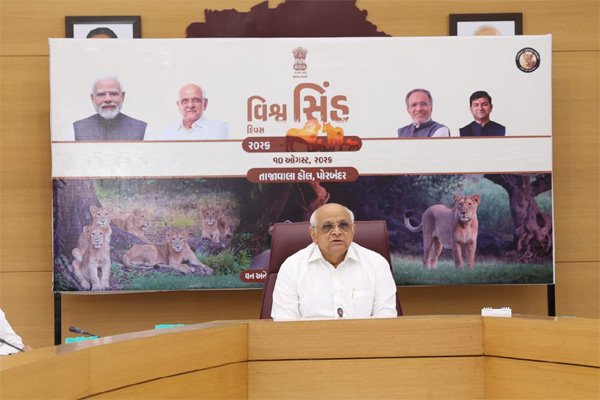
The landscape of wildlife conservation in India has reached a historic milestone as Gujarat marks a decade of unprecedented growth in its Asiatic lion population. Official data released during recent World Lion Day celebrations reveals that the population has climbed from 523 individuals in 2015 to an impressive 891 in 2025. This surge is not merely a quantitative victory; it represents a fundamental shift in how the state manages its apex predators, moving beyond the confines of traditional sanctuaries into a vast, interconnected mosaic of rural and wild landscapes.
Chief Minister Bhupendrabhai Patel, addressing the state from Porbandar, underscored that this success is a testament to the symbiotic relationship between local communities and the state’s ecological priorities. By expanding the lion’s range from just three districts to 11 over the past quarter-century, Gujarat has transitioned from "island conservation"—where animals are confined to protected pockets—to a landscape-level strategy that integrates wildlife presence into the broader geography of the state.
Expanding Frontiers: Beyond the Gir Sanctuary
For decades, the Gir National Park and Wildlife Sanctuary served as the sole bastion for the Asiatic lion. However, the biological necessity for territory and the natural dispersal of the species have pushed the cats into the Barda region and beyond. This expansion into 11 districts signifies that the lions are reclaiming historical habitats that were once lost to fragmentation.
The move into Barda represents a strategic effort by the forest department to decentralize the lion population, reducing the risks associated with over-concentration, such as disease outbreaks or intra-species conflict. By diversifying the habitats available to these apex predators, conservationists are ensuring that the population remains resilient against environmental shocks. This expansion is supported by sophisticated monitoring techniques, including community-led tracking and high-tech surveillance, which allow authorities to manage human-wildlife interactions proactively rather than reactively.
The Ecological Mandate: Conservation as a Public Commitment
As the Chief Minister noted during the virtual celebrations, the protection of the Asiatic lion is not an isolated endeavor but a commitment to the health of the entire ecosystem. The lion acts as an "umbrella species"; by protecting the lion and its habitat, the state indirectly safeguards the grasslands, water catchments, and biodiversity that are essential for regional agriculture and water security.
The success of this expansion is largely attributed to the "Gir model" of conservation, which relies heavily on the tolerance and participation of the local farming communities. Unlike in many other parts of the world where human-predator conflict leads to hostility, the people living in the periphery of these new lion territories have largely embraced the presence of the big cats. This cultural acceptance is bolstered by state-led initiatives that compensate for livestock losses and incentivize the preservation of natural corridors, proving that wildlife and rural livelihoods can coexist when supported by robust policy frameworks.
What This Means for Farmers
The expansion of the Asiatic lion’s territory brings both challenges and opportunities for the farming communities residing within these 11 districts. Understanding these impacts is crucial for long-term agricultural sustainability:
- Mitigating Livestock Risks: As lions move into new areas, the risk of livestock predation increases. Farmers are encouraged to utilize state-sponsored enclosure reinforcements and participate in early-warning notification systems provided by local forest departments to secure their herds during the night.
- The Value of Biodiversity: Farmers operating in areas with a healthy predator population often benefit from natural pest control. Apex predators help regulate the population of wild herbivores, such as wild boar and nilgai, which are frequent culprits in crop damage. Maintaining the ecological balance can lead to a decrease in the reliance on aggressive pest-control measures.
- Economic Opportunities: The growth of the lion range opens doors for wildlife-based tourism and community-led conservation projects. Farmers in these regions may find new avenues for income through homestays, nature guiding, or eco-friendly ventures that cater to the growing interest in wildlife tourism, provided they align with state regulations.
- Reporting and Compensation: Timely reporting of wildlife incidents is essential. Farmers should familiarize themselves with the state’s streamlined compensation procedures for crop and livestock damage. Engaging with local forest committees ensures that farmers receive the support they are entitled to, while also fostering a collaborative environment that prevents retaliatory actions against the wildlife.
Ultimately, the transition of the Asiatic lion into new wilderness areas marks a new era where conservation is no longer a restricted activity but a shared responsibility. For the farmers of Gujarat, the presence of the lion is an indicator of a thriving landscape, and with adaptive management, it remains a pillar of the state’s ecological and rural heritage.