The Ukai-Kakrapar Multipurpose Project: A Legacy of Resilience in South Gujarat
Long before the formal establishment of Gujarat as a distinct state in 1960, visionary planners recognized that the key to unlocking the economic potential of the Tapti River basin lay in robust water infrastructure. The Ukai-Kakrapar Multipurpose Project, with construction efforts dating back to 1949, remains a testament to early post-independence engineering. More than seven decades later, this massive hydraulic network continues to serve as the lifeblood of South Gujarat, anchoring the region’s agricultural productivity, industrial power needs, and municipal water security.
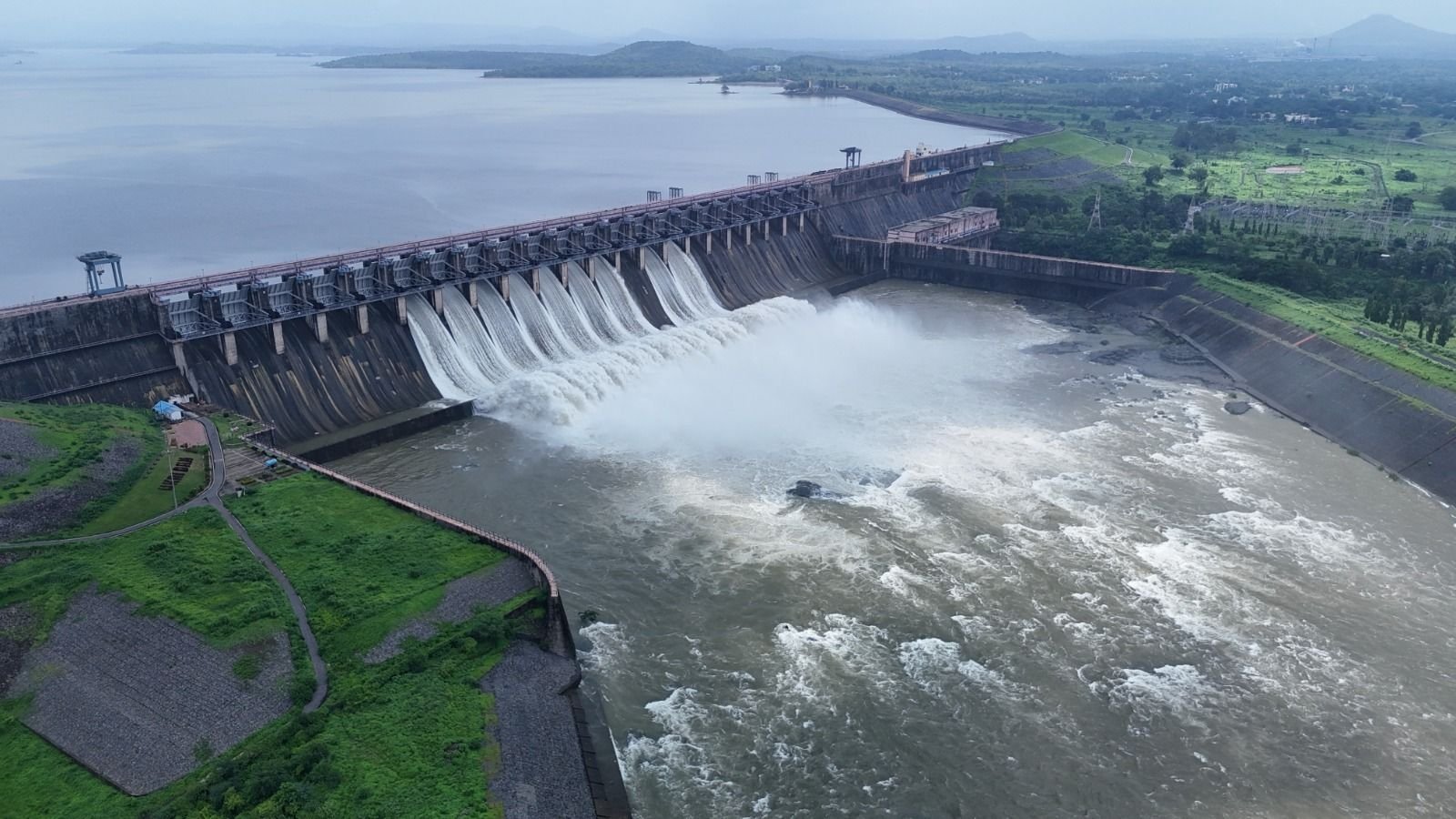
The project, which encompasses the massive Ukai dam and the downstream Kakrapar weir, was designed as a strategic intervention to tame the volatile Tapti River. By creating a reliable reservoir system, the project transformed a landscape once prone to the extremes of seasonal flooding and prolonged droughts into a stable, highly productive agricultural corridor. Today, it stands not merely as a historical monument to infrastructural ambition, but as a dynamic utility that remains central to the state’s regional development goals.
Engineering Stability in an Evolving Climate
The primary functionality of the Ukai-Kakrapar system lies in its ability to regulate flow across varying hydrologic cycles. The Ukai dam, a major earthen and masonry structure, acts as the primary storage facility, allowing for the controlled release of water during the critical rabi and summer cropping seasons. This regulation has been instrumental in facilitating the transition of South Gujarat’s farmlands toward high-value cash crops, including sugarcane, cotton, and various horticulture varieties, which require consistent moisture availability that seasonal rainfall alone cannot guarantee.
Beyond irrigation, the project serves as a cornerstone for energy independence. The hydroelectric power generation units integrated into the dam structure provide a source of clean, renewable energy that feeds directly into the regional grid. As the state moves toward more intensive industrialization and increased electrification of rural services, the consistent output from these turbines remains a vital component of the energy mix, reducing reliance on fossil-fuel-based power generation. Furthermore, the canal network, which stretches across thousands of kilometers, has been progressively modernized to minimize transmission losses, ensuring that water reaches the most distant tail-end farms with greater efficiency.
Water Security and Urban-Rural Integration
The significance of the Ukai-Kakrapar project extends well beyond the farm gate. As South Gujarat has witnessed rapid urbanization and the expansion of industrial zones, the demand for reliable municipal and industrial water supply has surged. The reservoir system acts as a critical buffer, ensuring that urban centers and manufacturing hubs have access to sufficient water reserves even during years of deficient monsoon rainfall.
The synergy between irrigation and drinking water supply has been critical in maintaining social and economic stability. By balancing the competing demands of agrarian needs and urban growth, the project administrators have managed to mitigate the water-use conflicts that often arise in rapidly developing regions. This multipurpose approach is increasingly viewed as a model for water management, emphasizing that infrastructure must be designed for flexibility to accommodate the changing demographics and economic priorities of the 21st century.
What This Means for Farmers
For the farming community across South Gujarat, the Ukai-Kakrapar project remains the most significant factor in long-term farm planning and risk management. Farmers operating within the command area should consider the following implications:
- Predictability in Crop Selection: The reliability of the water supply allows farmers to shift from subsistence rain-fed crops to high-value, water-intensive cash crops. This shift is essential for increasing net income per hectare.
- Investment in Modern Irrigation: With the assurance of water availability, farmers are encouraged to invest in micro-irrigation technologies such as drip and sprinkler systems. These technologies not only optimize the water provided by the canal network but also minimize soil erosion and nutrient leaching.
- Participatory Water Management: As the system ages, the role of Water Users' Associations (WUAs) becomes increasingly critical. Farmers are encouraged to participate in local water committees to ensure equitable distribution and to provide feedback on canal maintenance, which helps local authorities prioritize repairs and modernization efforts.
- Climate Resilience: In an era of unpredictable weather patterns, the infrastructure provides a necessary safety net. However, farmers must remain vigilant regarding water conservation practices to ensure that the reservoir levels are managed sustainably, protecting the community against potential multi-year drought cycles.
The Ukai-Kakrapar project stands as a reminder that agricultural prosperity is inextricably linked to the stewardship of water resources. By leveraging this historic infrastructure with modern management techniques, farmers in South Gujarat can continue to secure their livelihoods for generations to come.