Dual Monsoon Crisis: Extreme Weather Disrupts Agriculture Across India
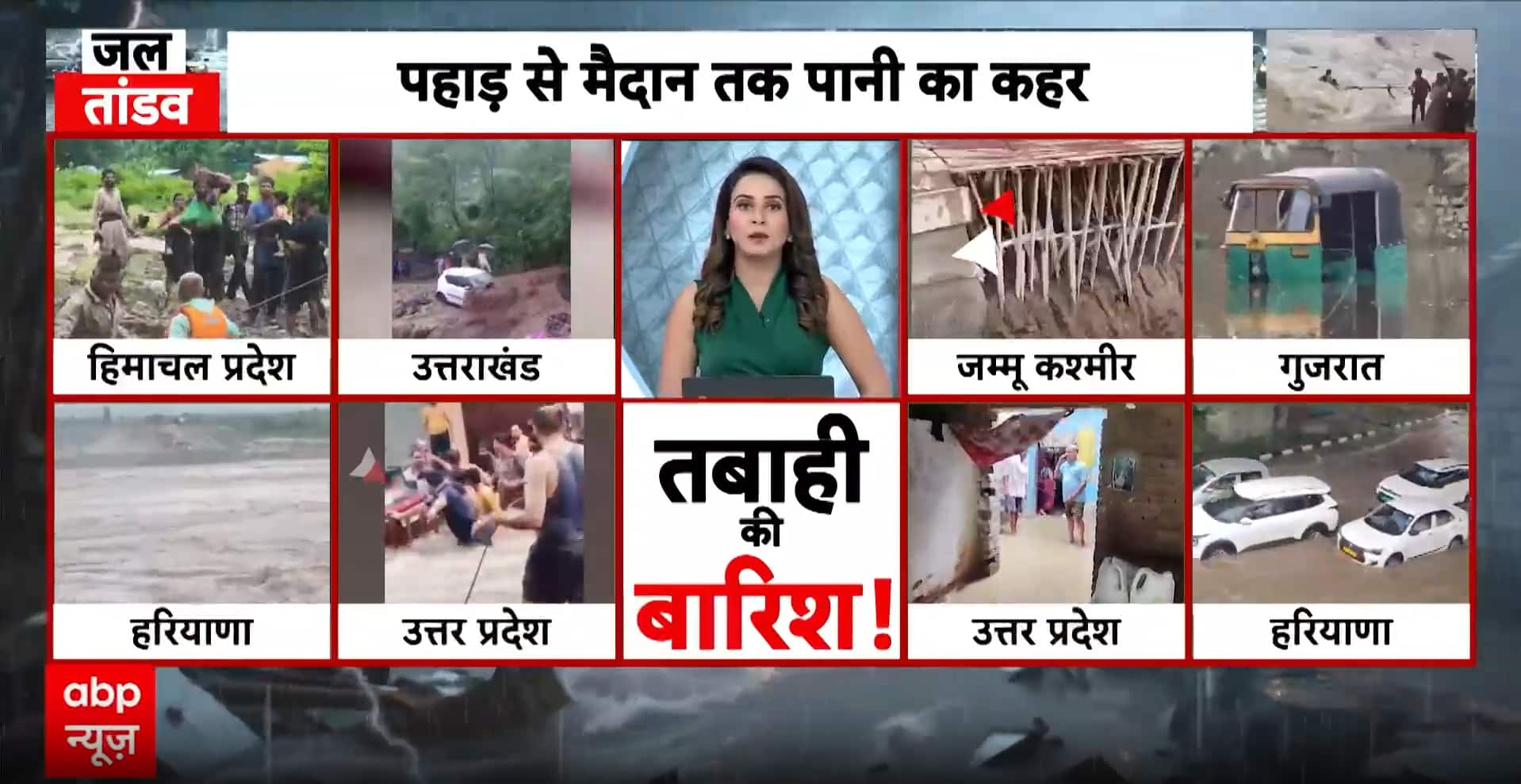
India is currently grappling with a severe monsoon crisis as two distinct regions face catastrophic weather events. In the northeastern state of Assam, relentless flooding has claimed 41 lives, with the deluge impacting over 6.5 lakh residents across 11 districts. Simultaneously, Gujarat is witnessing a parallel emergency, where torrential downpours have triggered mass evacuations and widespread disruption to rural infrastructure. These concurrent disasters underscore the increasing volatility of the Indian monsoon, posing significant threats to food security, livestock safety, and the livelihoods of millions of smallholder farmers.
The Assam Deluge: A Persistent Threat to the Brahmaputra Basin
The situation in Assam has escalated rapidly as the Brahmaputra and its tributaries continue to breach danger levels. The flooding is not merely a seasonal occurrence but a prolonged crisis that has submerged vast tracts of agricultural land, destroying standing crops and disrupting critical rural supply chains. The loss of life—now reaching 41—highlights the extreme vulnerability of riverine communities that rely heavily on flood-plain agriculture.
Beyond the immediate human toll, the flooding has caused significant damage to the state’s agricultural backbone. Fields prepared for seasonal cultivation are currently under several feet of silt-heavy water, which poses long-term challenges for soil fertility and future planting cycles. For many farmers in the affected districts, the loss of stored grain, farming equipment, and livestock is catastrophic, pushing many into a cycle of debt and uncertainty. The displacement of 6.5 lakh people further complicates relief efforts, as the focus shifts from recovery to basic human survival and the containment of waterborne diseases that frequently follow such inundations.
Gujarat’s Monsoon Surge: Infrastructure and Crop Vulnerability
In western India, Gujarat is contending with an intense burst of monsoon activity that has overwhelmed drainage systems and forced mass evacuations in low-lying rural areas. Unlike the slow-rising river floods of the northeast, the crisis in Gujarat is characterized by flash flooding and waterlogging caused by extreme, concentrated rainfall. This creates a distinct set of challenges for farmers, particularly those engaged in high-value horticulture and cash crop production.
The sudden influx of water in Gujarat has left agricultural fields waterlogged, leading to critical issues such as root rot, the leaching of fertilizers, and the destruction of delicate harvests. Furthermore, the infrastructure damage—including washed-out rural roads and collapsed power grids—is preventing farmers from accessing markets and essential inputs. The state’s livestock sector is also under immense strain, as farmers struggle to move cattle to higher ground and secure feed supplies in the wake of the deluge. The immediate priority for state agencies has been the evacuation of trapped populations, but the agricultural sector faces a difficult period of assessment as the waters recede.
What This Means for Farmers
The dual crises in Assam and Gujarat serve as a stark reminder of the urgent need for climate-resilient farming practices. For farmers operating in flood-prone regions, the economic consequences are profound. To mitigate future losses, the agricultural community must consider several key strategies:
- Diversification of Income: Relying solely on a single seasonal crop increases vulnerability to extreme weather. Farmers are encouraged to integrate livestock or fisheries, which can sometimes provide a buffer when primary crop yields are compromised.
- Crop Insurance Awareness: Given the increasing frequency of extreme weather, comprehensive insurance coverage is no longer an option but a necessity. Farmers should engage with local agricultural offices to ensure their enrollment in government-backed insurance schemes that cover flood-related losses.
- Improved Drainage and Soil Management: In regions like Gujarat, investing in on-farm drainage systems can help prevent prolonged waterlogging, which is often more damaging to crops than the initial rainfall itself. Improving soil organic matter can also help fields absorb excess moisture more effectively.
- Early Warning Systems: Utilization of digital weather alert services is critical. Farmers should prioritize subscribing to localized weather bulletins to make informed decisions regarding early harvesting or the relocation of livestock before flood conditions deteriorate.
- Post-Flood Sanitation: As waters recede, farmers must prioritize the cleaning of storage facilities and the assessment of soil contamination. Stored grains exposed to floodwaters must be treated as hazardous to prevent mold and mycotoxin contamination, which can impact both human and animal health.
Ultimately, the resilience of India's agricultural sector depends on a combination of immediate disaster response and long-term adaptation. As the climate becomes more unpredictable, the shift toward sustainable, water-conscious, and risk-aware farming models will be the defining factor in securing the future of the nation’s food supply.