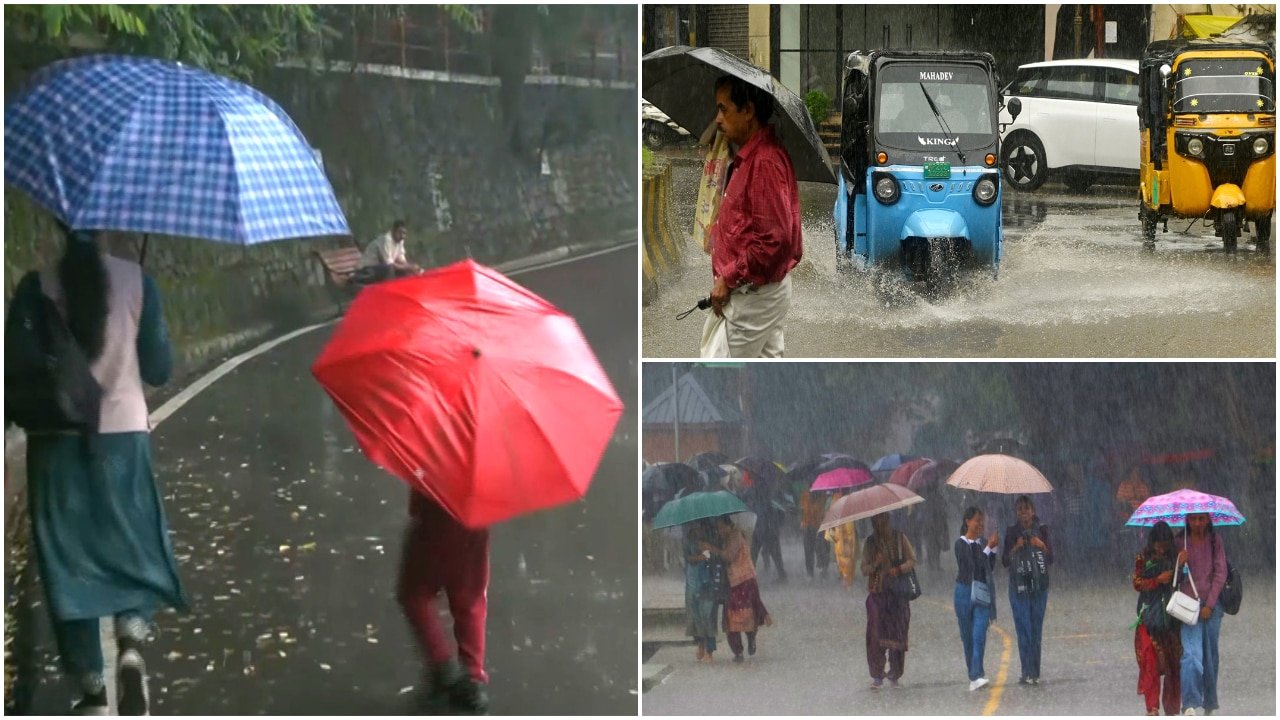
Monsoon Fury Paralyzes Gujarat: Massive Evacuations Underway as Flood Crisis Deepens
The state of Gujarat is currently grappling with a severe meteorological crisis as relentless monsoon rains continue to batter the region, leading to widespread inundation, infrastructure paralysis, and a critical humanitarian situation. With torrential downpours showing little sign of abating, local authorities have accelerated large-scale disaster response operations. As of the latest reports, more than 22,000 individuals have been forced to evacuate their homes, seeking refuge in government-established relief camps, while emergency response teams have successfully executed daring rescues for at least 1,200 people stranded by rising floodwaters.
The intensity of this monsoon cycle has been particularly aggressive, pushing drainage systems and local water management infrastructure to their absolute breaking point. The loss of life remains a sobering aspect of the disaster, with three additional fatalities reported in the wake of the flooding, bringing further urgency to the ongoing search and rescue missions conducted by state and national disaster relief agencies.
Epicenter of the Crisis: Valsad and Navsari Face Unprecedented Deluge
While the monsoon has impacted large swaths of the state, the districts of Valsad and Navsari have emerged as the primary epicenters of the catastrophe. In these regions, the rainfall has been described as unrelenting, causing rivers and local streams to breach their banks and submerge low-lying residential and agricultural areas. The town of Umbergaon, among other localities, has been particularly hard-hit, with road connectivity severed and vital infrastructure submerged, effectively isolating several communities.
The meteorological department attributes this extreme weather event to a combination of persistent low-pressure systems and moisture-laden winds from the Arabian Sea, which have concentrated heavy precipitation over Southern Gujarat. The resulting waterlogging has not only disrupted the lives of thousands of urban residents but has also brought agricultural activity to a complete standstill. Field operations, including the harvesting of seasonal crops and routine maintenance of livestock, have been rendered impossible as vast stretches of farmland remain under several feet of water.
Disaster Response and Logistics in Challenging Terrain
The state government has mobilized a multi-agency response, deploying teams from the State Disaster Response Force (SDRF) and the National Disaster Response Force (NDRF) to the worst-affected pockets. These teams are utilizing inflatable boats and heavy-duty equipment to reach isolated households, navigating through submerged streets and debris-laden currents. The primary challenge currently facing rescue teams is the persistent nature of the rain, which complicates visibility and limits the use of aerial surveillance and transport.
Relief efforts are currently focused on providing temporary shelter, medical aid, and essential food supplies to the thousands of displaced citizens. As the water levels fluctuate, the state administration is maintaining high-alert status for potential breaches of smaller dams and irrigation tanks, which could exacerbate the flooding in downstream areas. Coordination between district collectors and local municipal bodies has been tightened to ensure that communication lines remain open, despite the widespread power outages caused by the storm.
What This Means for Farmers
The current flood crisis carries profound implications for the agricultural sector, which forms the backbone of Gujarat’s rural economy. Farmers in the affected districts face a period of extreme uncertainty as they contend with the immediate and long-term impacts of the deluge.
- Crop Loss and Quality Deterioration: Standing crops, particularly those in the maturity phase, are highly susceptible to waterlogging. Excessive moisture leads to root rot and nutrient leaching, which can significantly diminish both yield and grain quality. Farmers are advised to prioritize field drainage once the water begins to recede to prevent further damage.
- Livestock Safety and Health: Inundated pastures and damaged fodder storage pose a direct threat to livestock. The risk of waterborne diseases, such as foot-and-mouth disease or mastitis, increases significantly during floods. Farmers should prioritize moving cattle to higher ground and ensuring access to clean drinking water and dry feed to prevent secondary health crises.
- Soil Erosion and Nutrient Depletion: The high velocity of floodwaters often results in the loss of topsoil and essential fertilizers. Post-flood, soil testing will be critical to understand the extent of nutrient depletion and to plan for corrective fertilization before the next planting cycle.
- Economic Resilience and Insurance: Farmers are urged to document all losses—including physical damage to infrastructure, loss of livestock, and crop destruction—as soon as it is safe to do so. This documentation is vital for filing claims under agricultural insurance schemes and accessing state-provided disaster relief packages. Engaging with local agricultural extension offices for technical guidance on post-flood soil management is highly recommended to expedite the recovery process.